
Thailand’s cabinet backs Ubon Ratchathani Geopark UNESCO status bid
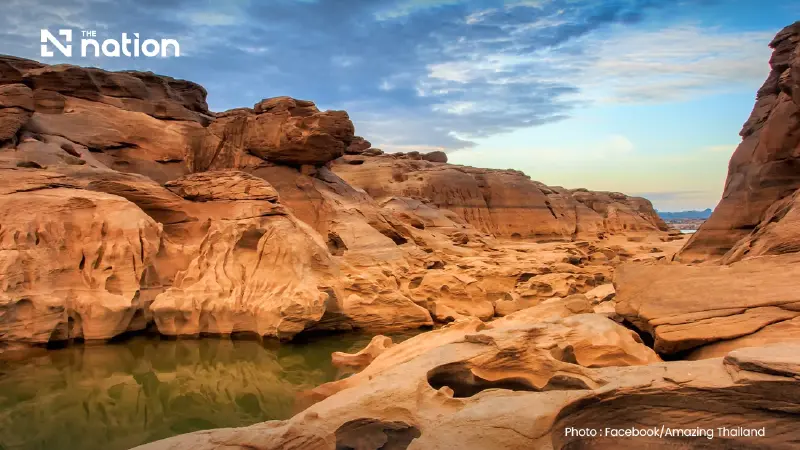


The proposal highlights Sam Phan Bok, Cretaceous fossils and Mekong-side culture as Thailand prepares to submit Ubon Ratchathani Geopark to UNESCO.
- Thailand's cabinet has approved the proposal to nominate the Ubon Ratchathani Geopark for recognition as a UNESCO Global Geopark.
- The park is notable for its unique landscapes, including the Sam Phan Bok rock rapids, and significant Cretaceous fossil sites with dinosaur discoveries.
- The government expects the UNESCO status to boost international tourism, attract academic research, and generate income for local communities.
- The official application documents for the nomination are scheduled to be submitted to UNESCO in late 2026.
The Cabinet has approved a proposal to nominate Ubon Ratchathani Geopark for recognition as a UNESCO Global Geopark, highlighting Sam Phan Bok and Cretaceous fossil sites.
The move is expected to raise the profile of tourism, attract academics from around the world and generate income for local communities.
Lalida Perisvivatana, deputy government spokesperson, said the Cabinet had approved the nomination of Ubon Ratchathani Geopark for recognition as a UNESCO Global Geopark under the United Nations Educational, Scientific and Cultural Organisation, as proposed by the Ministry of Natural Resources and Environment.
The proposal aims to raise Thailand’s geological, natural and cultural heritage to an international level.

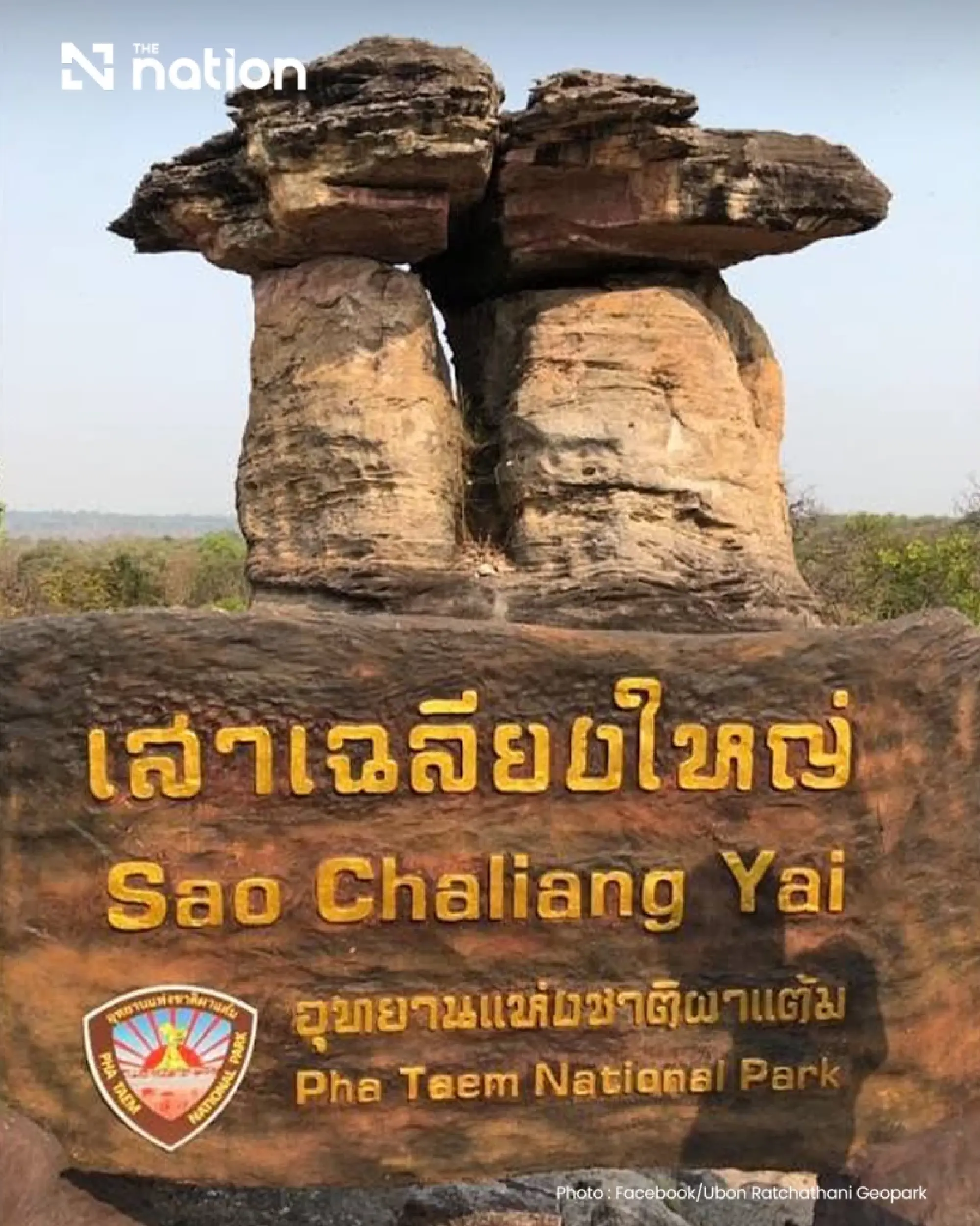

Highlights of Ubon Ratchathani Geopark
Ubon Ratchathani Geopark covers about 1,829 square kilometres across four districts: Pho Sai, Si Mueang Mai, Khong Chiam and Sirindhorn.
Its international highlights include:
- World-class landscapes: large rock rapids formed by erosion from the Mekong River, such as Sam Phan Bok, cliffs and Sao Chaliang stone pillars.
- Key fossil sites: discoveries of dinosaurs, flying reptiles, ancient crocodiles and Cretaceous vertebrates in the Khok Kruat Formation, regarded as one of Thailand’s richest areas of ancient biodiversity.
- Cultural and way-of-life value: the Pak Bong fish-catching tradition, Mekong riverside community culture and ethnic groups that reflect the link between nature and local history.
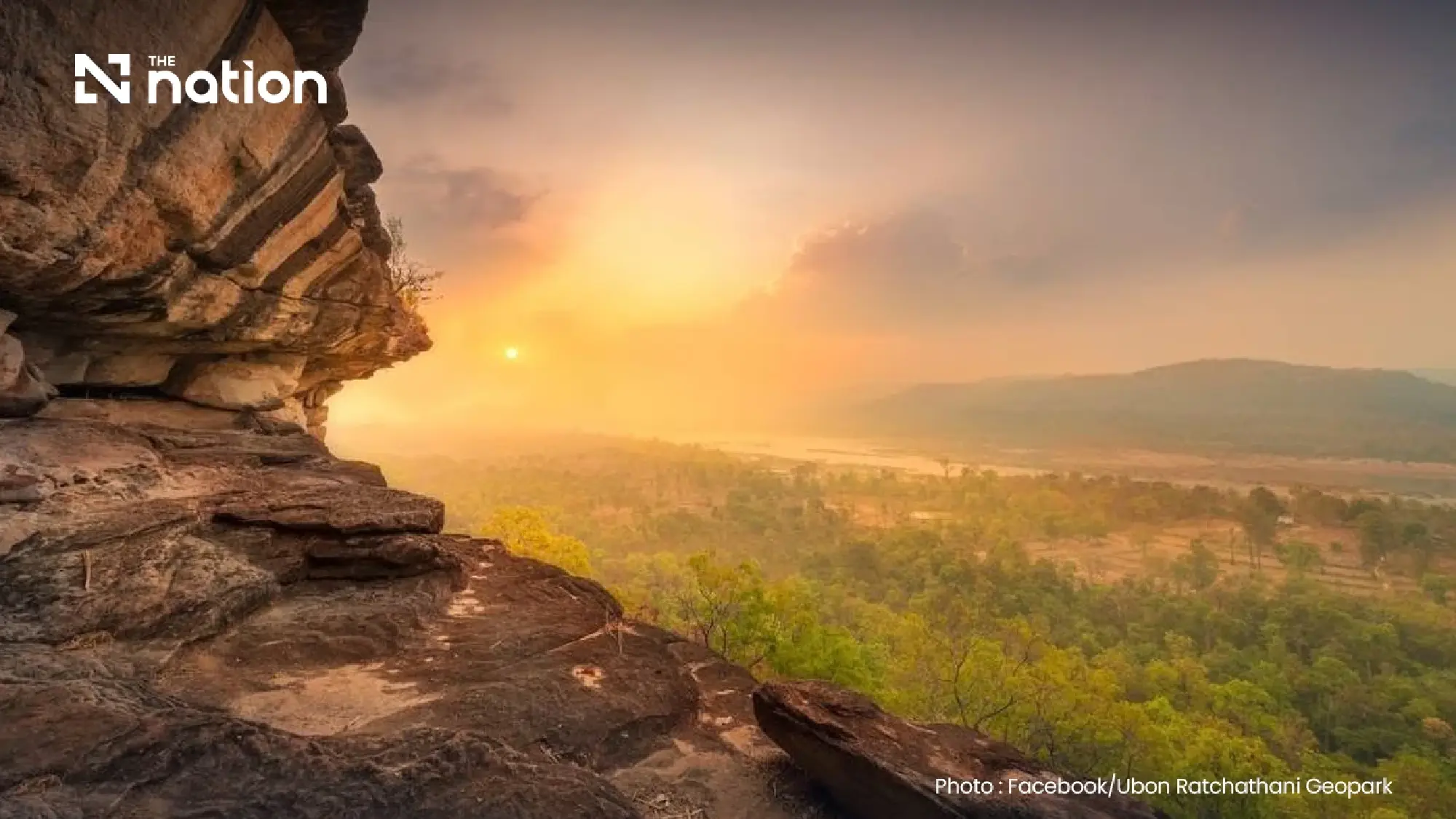

Thailand sets 2026 timeline for UNESCO submission
Thailand is scheduled to advance the nomination under UNESCO procedures as follows:
- By Wednesday (July 1, 2026): notify UNESCO of its intention.
- From Thursday (October 1, 2026) to Monday (November 30, 2026): submit the official application documents.
- Next step: UNESCO experts will travel to conduct an on-site evaluation.
There are currently 229 UNESCO Global Geoparks in 50 countries worldwide.
Thailand has two recognised sites: Satun UNESCO Global Geopark and Khorat UNESCO Global Geopark.
Khon Kaen Geopark is under consideration.
Fully prepared and confident of meeting evaluation criteria
The deputy government spokesperson added that Ubon Ratchathani Geopark was ready in every aspect.
It has been established as a local geopark since 2011 and was upgraded to a Thailand Geopark in 2023.
It now has a coordination centre at Ubon Ratchathani Provincial Administrative Organisation, a clear management system and an emphasis on sustainable community participation.
This move onto the global stage will help increase international awareness and attract spending from tourism and academic research, creating circulating income and genuinely spreading development to the grassroots economy.

