
Thailand leads 11-country push against call-centre trafficking networks
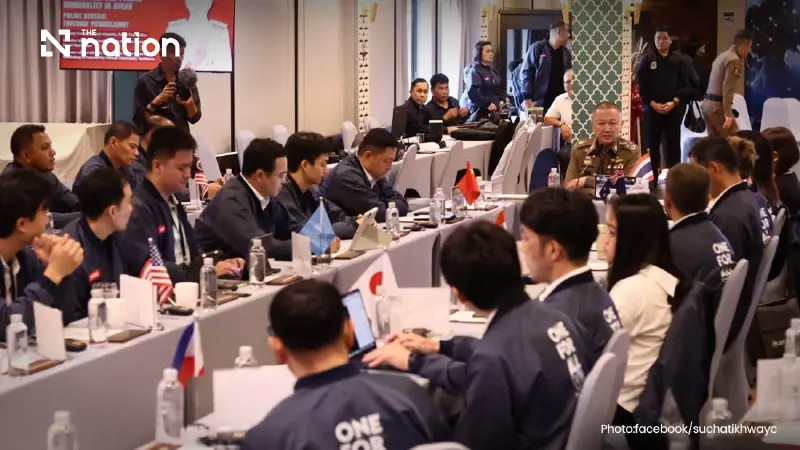


Law enforcement agencies from 11 countries meet in Chanthaburi to strengthen cross-border action against scam syndicates and human-trafficking networks.
Thailand has brought together law enforcement agencies from 11 countries in Chanthaburi to strengthen cross-border action against call-centre syndicates and human-trafficking networks, after nearly 15,000 victims from 46 nationalities were assisted under joint operations.
Police General Thatchai Pitaneelaboot, Deputy Commissioner-General of the Royal Thai Police and Director of the Anti-Human Trafficking Centre, presided over the cooperative meeting at Muddy’s Beach Resort in Chanthaburi province on Tuesday.
The forum, which runs from June 29 to July 2, is aimed at building stronger international cooperation to intercept, investigate and dismantle transnational criminal networks linked to information technology crimes, call-centre gangs, online gambling operations and human trafficking.
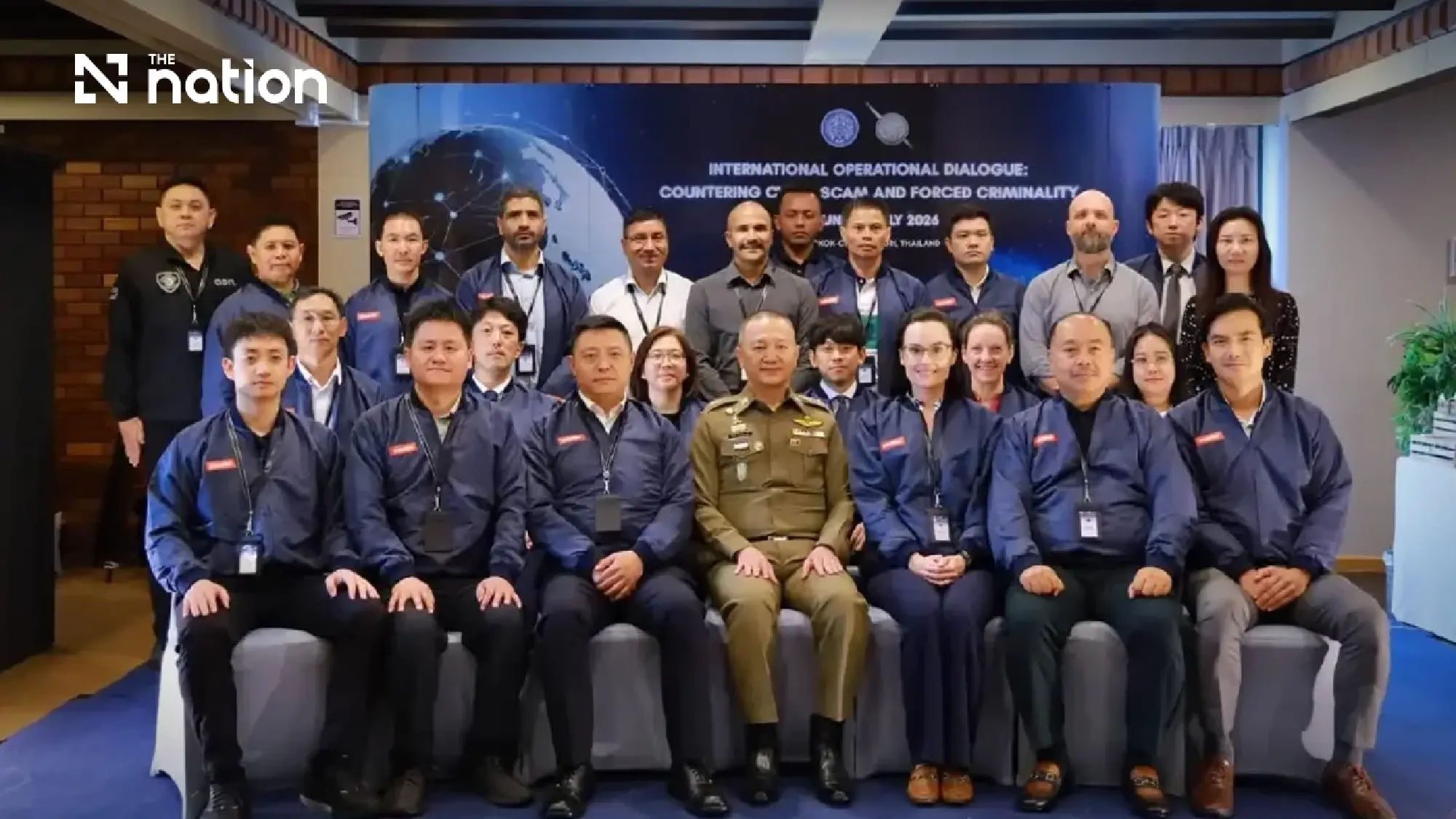

Eleven countries join the talks
The meeting was attended by Police Lieutenant General Attasit Sudsanguan, Inspector General and Chief of the AHTC’s Operational Department, along with law enforcement representatives from China, Japan, Malaysia, the Philippines, Vietnam, the United States, Indonesia, India, Australia, the Republic of Korea and Nepal.
Representatives from several international and domestic agencies also joined the discussions, including the International Organization for Migration, Homeland Security Investigations from the US Embassy in Thailand, the Lancang-Mekong Integrated Law Enforcement and Security Cooperation Centre, Thailand’s Ministry of Foreign Affairs and the Royal Thai Army.
Participants exchanged information on the current situation in their respective countries, emerging crime trends, local criminal tactics and operational obstacles faced by law enforcement agencies.
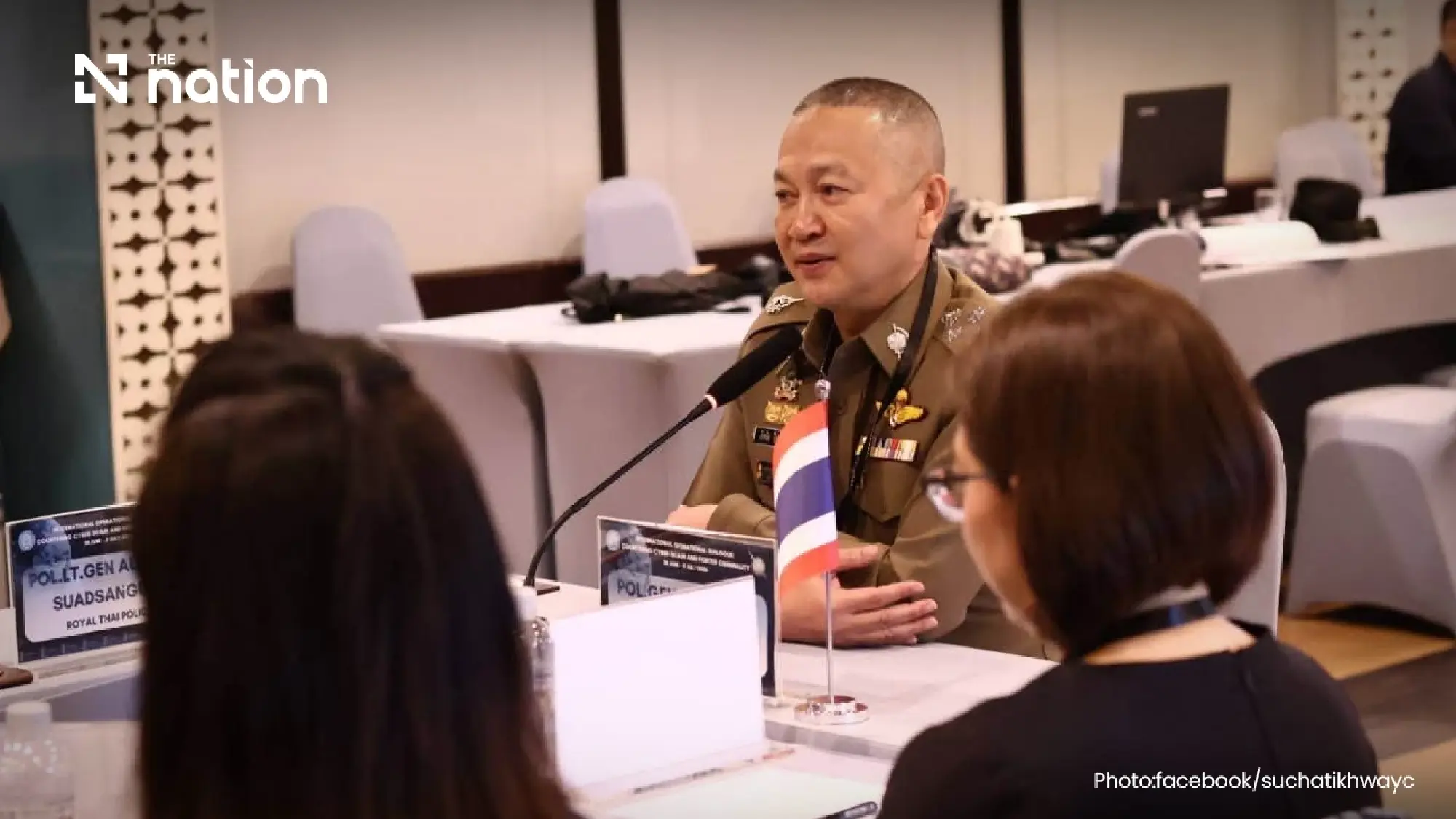

Focus on intelligence, money trails and victim protection
Officials agreed to raise the level of inter-agency cooperation, particularly in intelligence exchange, cross-border investigations, financial tracking, asset tracing, victim assistance and the repatriation of trafficking victims.
The participating countries also pledged to intensify efforts to arrest perpetrators, identify network leaders and disrupt the financial structures that allow call-centre syndicates and trafficking groups to operate across borders.

Police said the measures are intended to make investigations more efficient and to improve the ability of authorities to respond quickly when victims are moved between countries or forced into scam operations.
Nearly 15,000 victims assisted
Pol Gen Thatchai said that between February 20, 2025, and March 31, 2026, member countries helped 14,694 human-trafficking victims from 46 nationalities.

He added that from 2022 to 2026, Thailand received Thai nationals repatriated from Cambodia on 105 occasions after they became involved with call-centre gangs and online gambling websites. The repatriations involved a total of 2,774 people.
The figures, he said, showed that scam-centre operations and trafficking networks are deeply interconnected and often involve victims, suspects and criminal infrastructure spread across multiple countries.
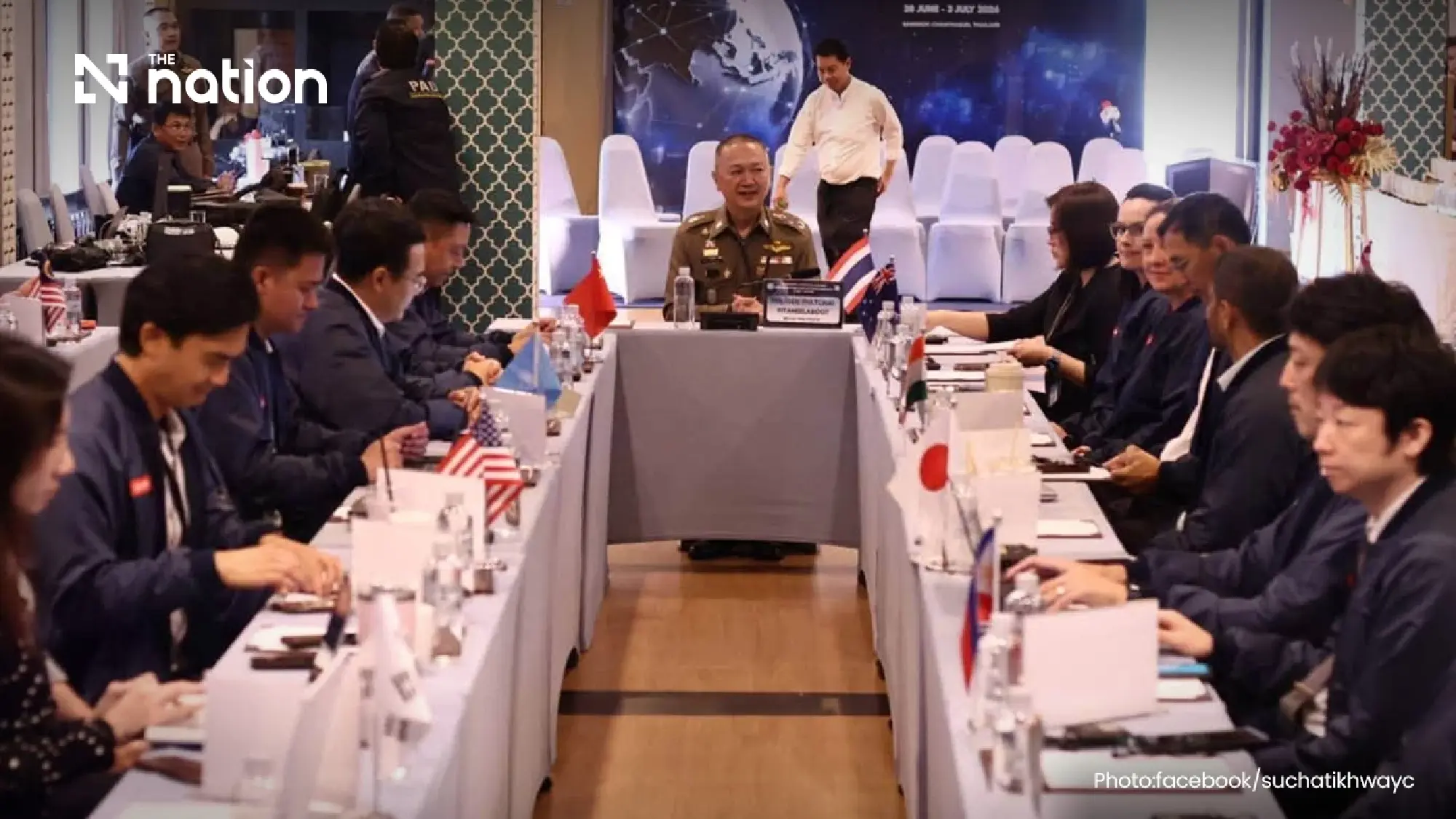

Public warned over fake jobs and online scams
The meeting also discussed preventive measures to stop people from being lured abroad into criminal enterprises.
Authorities said syndicates often use fraudulent investment schemes, fake job advertisements offering unrealistically high salaries and romance scams to recruit or deceive victims.
All participating countries agreed to strengthen public-awareness campaigns, increase vigilance and improve data exchanges to reduce the number of people falling victim to these networks.
Officials said sustained international cooperation would be essential to dismantling transnational criminal organisations and preventing call-centre syndicates from shifting operations across borders.
