
How SWING fights for Thailand's shadow workers



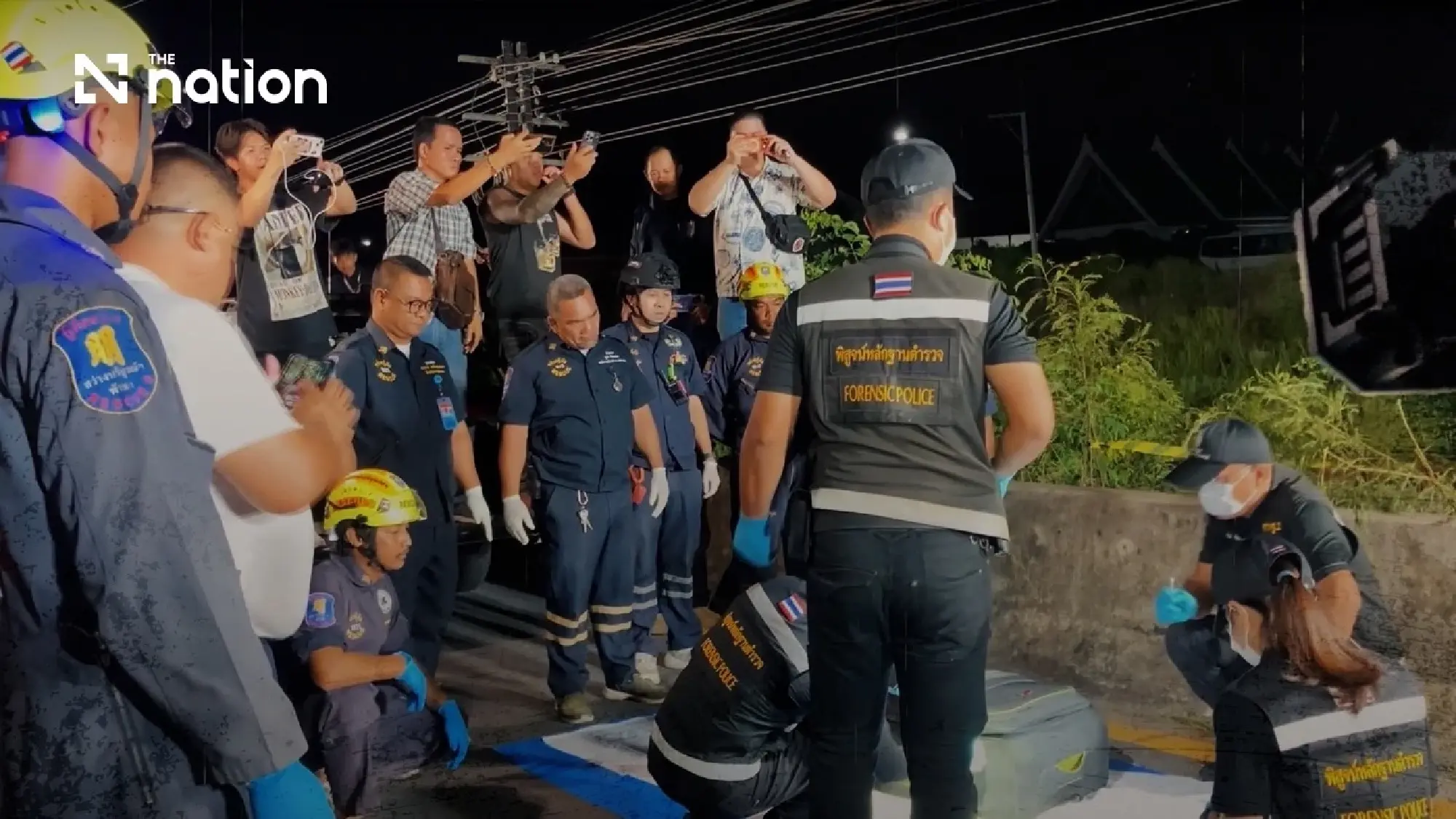
The horrific murder of a 17-year-old Thai girl in Pattaya, whose body was found inside a suitcase near a local railway line, has ignited a fierce national debate over the institutional safety of the country's hospitality workforce.
The tragedy, which allegedly stemmed from a dispute over a mere 500 Baht, triggered the swift arrest of 46-year-old Australian national Simon Peter Carman at Suvarnabhumi Airport. Yet, human rights advocates warn that locking up individual perpetrators does nothing to address the state-sanctioned power imbalances that invite such violence in the first place.
At the forefront of this battle is the Service Workers in Group Foundation (SWING), an organisation that has spent over two decades fighting the structural legal architecture that pushes entertainment workers into the shadows.
SWING Director Surang Chanyam warns that Thailand's broken legal system is exactly what gives foreign predators the confidence to abuse workers without fear of punishment.


Criminalisation as a weapon
While Thailand’s multibillion-baht nightlife industry is a cornerstone of its tourism economy, sex work remains illegal under the Prevention and Suppression of Prostitution Act, B.E. 2539 (1996).
Rights groups argue that by criminalising the industry, the law effectively disarms the victims and hands immense leverage to abusers.
"The core issue driving this kind of extreme violence is power," Surang said, linking the systemic issue directly to the environment that enabled the Pattaya suitcase tragedy. "When foreign tourists enter the country as 'buyers,' they inherently feel they hold absolute power over the service workers, whom they view as 'the purchased.'"

This fear silences workers. Under current laws, they endure severe abuse and violence because they are too terrified of the legal system to seek justice.
"They are inherently afraid that if they file a report, they’ll end up being charged with prostitution instead," Surang explained. "They are terrified of going from being the victim to being the suspect. Predators understand this systemic vulnerability perfectly, exploiting it under the dangerous assumption that the law will never touch them."
SWING’s legislative battle
Originally founded in 2004 after a groundbreaking mapping survey exposed a complete lack of healthcare and institutional support for Bangkok's estimated 5,000 male and transgender service workers, SWING has scaled its operations to protect all workers across the gender spectrum.
Today, with an estimated 50,000 workers in Pattaya alone and tens of thousands more in the capital, the foundation is taking its fight directly to the state through a four-pronged structural campaign:
- Repealing the 1996 Prostitution Act: SWING has mobilised grassroots support, submitting a petition backed by over 14,000 citizen signatures to the Thai Parliament. The goal is to strip corrupt officials of an extortion tool and decriminalise a highly vulnerable demographic.
- Securing formal labour rights: Partnering with the National Human Rights Commission, the foundation is pushing for new ministerial regulations to legally classify service workers as "labourers," granting them access to a guaranteed minimum wage, standard social security, and workplace safety protections.
- Systemic Police Reform: In an unprecedented initiative to reshape law enforcement culture, SWING hosts third-year cadets from the Royal Police Cadet Academy (Sam Phran) for a mandatory 15-day internship. The program forces future police leadership to look past the rigid lens of criminalisation and understand the social realities driving the industry.
- Direct legal safeguards: To bridge the gap of distrust between vulnerable workers and local precincts, SWING personnel act as legal guardians, physically accompanying individuals to report crimes, counter false accusations, and ensure due process.


Underage vulnerability and 'free-visa' risks
The inclusion of minors in the nightlife sector, such as the 17-year-old victim in Pattaya, highlights a broader socioeconomic failure. SWING emphasises that pointing fingers at vulnerable youth ignores the severe economic realities driving them there.
"When a child under 18 falls into this industry, society has to turn around and ask itself a hard question," Surang urged. "'Do we actually have a youth labour market that allows teenagers to earn enough to support their families?' When these children are left with absolutely no viable economic choices, they fall through the cracks."
At the same time, Thailand's aggressive post-pandemic economic strategies, including expansive "Free-Visa" schemes designed to maximise tourism revenue, have outpaced national security screening capabilities.
While welcoming tourism, SWING demands stringent counter-measures to prevent foreign nationals with violent backgrounds from entering the country unimpeded.

Centring national safety over tourism revenue
As the legal proceedings against Carman continue, human rights organisations stress that true justice demands an institutional overhaul rather than a reactive, case-by-case approach.
The message from grassroots advocates to the state remains clear: economic indicators cannot be prioritised over citizens' lives.
Until the Thai government formalises labour protections and guarantees institutional safety for all sectors of its economy, the legal void will continue to protect the predator while punishing the victim.
"I want the government and every relevant agency to place the safety of Thai citizens at the absolute centre of their policies," Surang concluded.
"We cannot simply bend over backwards to please tourists at the expense of our own people. Thailand needs robust, unyielding measures to protect the rights, dignity, and physical safety of every single citizen, and that absolutely includes our service workers."
