
CAAT: Thai airports may open flagged bags without owners present to prevent delays
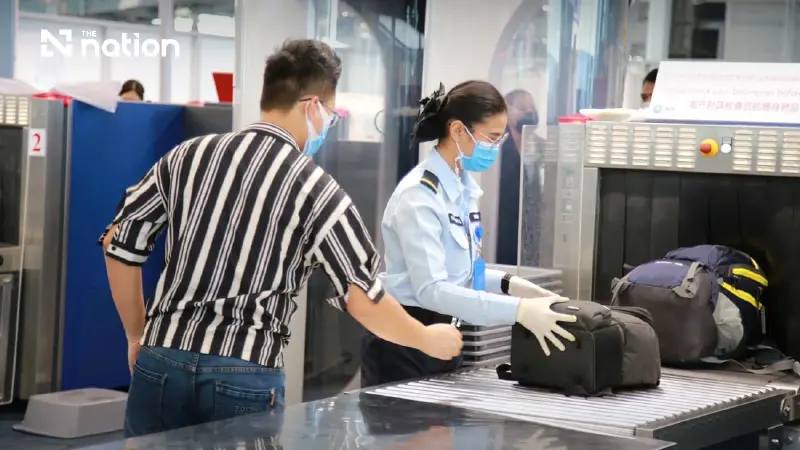


From October 16, Thai airport security may open suspicious checked baggage without its owner present, with inspections recorded and passengers notified
- Starting October 16, security officers at Thai airports will be permitted to open suspicious checked baggage without the owner being present.
- The Civil Aviation Authority of Thailand (CAAT) implemented this rule to reduce baggage handling and flight delays caused by needing to locate passengers.
- This procedure applies only when a bag is suspected of containing prohibited or dangerous items, and the inspection must be recorded with a notification left inside the bag.
- Passengers are advised to use internationally recognized locks, like TSA-approved ones, to prevent damage to their luggage during potential searches.
Airport security officers in Thailand will be permitted to open suspicious checked baggage without calling its owner to be present under new rules taking effect on October 16.
The Civil Aviation Authority of Thailand (CAAT) said the measure would apply only when security screening detected a suspicious object, explosive, prohibited article, dangerous item or anything else barred from carriage aboard an aircraft.
It stressed that the rule did not authorise routine opening of passengers’ bags and was intended to strengthen aviation security in line with international standards.
The notification governing the screening of checked baggage was published in February, allowing airport operators, airlines and relevant agencies time to prepare their personnel, procedures and passenger communications before implementation.

When officers may open a checked bag
Under the new procedure:
- A bag may be opened only when there are reasonable grounds to suspect that it contains a prohibited, dangerous or otherwise restricted item.
- The inspection does not have to take place in front of the passenger or baggage owner.
- It must be conducted in a designated area.
- The opening and inspection must be recorded.
- Evidence of the procedure must be retained so investigators can establish who conducted it and what was found.
- A notice must be placed inside the bag to inform the passenger that it was opened and inspected.

Airport screening personnel may also seize prohibited items and proceed under the applicable laws, regulations and security procedures.

CAAT says measure will reduce delays
CAAT said requiring officers to locate passengers before opening suspicious baggage could delay baggage handling and flight operations.
Allowing authorised officers to inspect a bag under recorded and auditable procedures would enable potential threats to be assessed more efficiently while maintaining evidence of every step.
The authority described the approach as consistent with aviation-security practices used internationally to prevent dangerous or prohibited items from being carried aboard aircraft.
Passengers advised to use suitable locks
Passengers are advised to use internationally recognised baggage locks, such as TSA-approved locks, which authorised security personnel can open using specialised equipment when an inspection is necessary.
CAAT said this could reduce the risk of damage to the suitcase or locking mechanism during an authorised search.

Travellers should also check prohibited and dangerous-item lists before departure and avoid placing valuables, fragile items, important documents or essential personal belongings in checked baggage. Additional inspections may also take place at airports in countries of origin, transit or destination.
Passengers who believe their baggage was damaged during an inspection may submit a complaint through their airline or CAAT’s complaints system for the circumstances to be reviewed.
