
Thai-Malaysia fence expansion proposed to curb smuggling
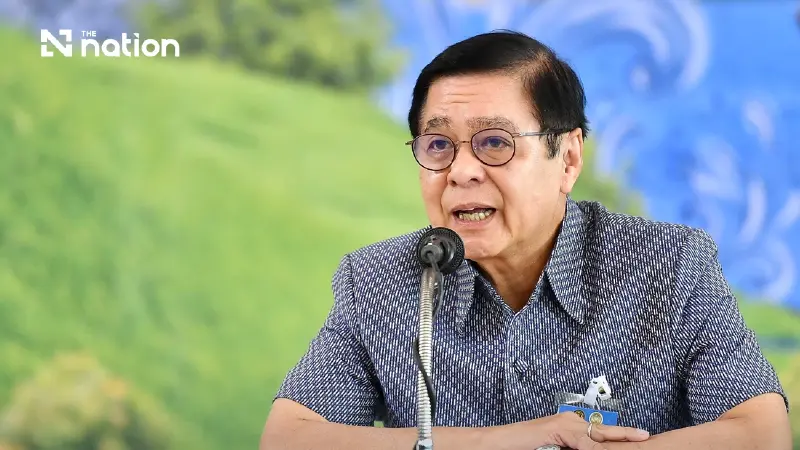


Sihasak Phuangketkeow says the plan would target drugs and contraband while strengthening intelligence and security cooperation with Malaysia.
Thailand’s Foreign Ministry was preparing to ask the Cabinet on Tuesday (September 1, 2026) to consider extending the existing fence along the Malaysian border as part of broader efforts to curb drug trafficking and contraband smuggling in the southern border provinces.
Deputy Prime Minister and Foreign Minister Sihasak Phuangketkeow said the proposal emerged from a consultation on ways to address problems in the Deep South.
He stressed that fencing already existed along parts of the frontier and that the proposal concerned additional construction rather than an entirely new barrier.
Sihasak said the government must examine the root causes of unrest and determine who was involved in recent incidents.
Security was critical because violence affected public confidence and economic conditions in the southern border provinces, he added.
Intelligence agencies urged to work together
Sihasak called for more accurate intelligence and closer coordination among the numerous agencies involved in security operations.
Intelligence must be integrated so that the government can make decisions and respond to threats promptly, he said.
Prime Minister Anutin Charnvirakul had also emphasised intelligence coordination during discussions on Monday, according to Sihasak. He said Thailand should be able to develop a more effective early-warning system.
The government’s most important task was to prevent a recurrence of the incidents on August 22-23, which had damaged confidence among residents, investors and business operators in the region.

Sihasak also highlighted the importance of community engagement, saying stronger local networks could help authorities receive information and act more quickly.
Such work could not produce results overnight and must be sustained over the long term, he said.
Jobs and transport links central to southern strategy
Government policy must give young people a clearer view of the economic opportunities available to them, particularly through employment, Sihasak said.
He called for serious economic development in the three southern border provinces, supported by adequate infrastructure and improved links with Malaysia.
Those connections should include both roads and railways to strengthen cross-border travel, trade and economic activity.
The government’s southern strategy must address economic and social development, security and education together rather than treating them as separate issues, he added.
Pattani excavator arson prompts security review
Sihasak said he had been briefed on an arson attack on an excavator in Yarang District, Pattani, on Monday night (August 31).
Officials would examine which parts of the government’s response and security arrangements needed improvement, he said. Authorities were investigating the incident and gathering evidence from the scene.
Sihasak again stressed the need to create opportunities for young people through education and economic development while maintaining effective security measures.
Asked whether repeated attacks reflected complacency among officials, he replied that authorities now knew what steps needed to be taken to improve the situation.
Malaysia talks to cover security and peace process
Sihasak said he would travel to meet Malaysia’s foreign minister on September 16.
The discussions will follow up and expand on issues previously raised by the two countries’ leaders, particularly cooperation on border security and the development of their shared border economy.
Thailand views stronger security as necessary for creating conditions in which cross-border economic activity can grow, he said.
Asked whether the meeting could advance the appointment of a facilitator for the southern peace dialogue, Sihasak said he wanted Thanut Suvarnananda to accompany him.
Thanut is director of the National Intelligence Agency and leads Thailand’s southern peace dialogue process. Sihasak said the visit would allow him to meet senior Malaysian government officials and participate in discussions on the issue.
Safe areas planned in 14 border districts
Sihasak, who oversees policy concerning the southern border provinces, said the creation of safe areas in 14 border districts formed part of the government’s strategy.
The plan falls under the Committee of Special Government Representatives for Resolving Problems in the Southern Border Provinces, which Sihasak chairs.
He did not provide further details on which districts would be covered or when the safe-area measures would be implemented.
