
Minister orders remains moved from Jewish cemetery in Chachoengsao



Three bodies must be moved from a Jewish cemetery after its licence lapsed, while checks of other cemeteries are expected within two days.
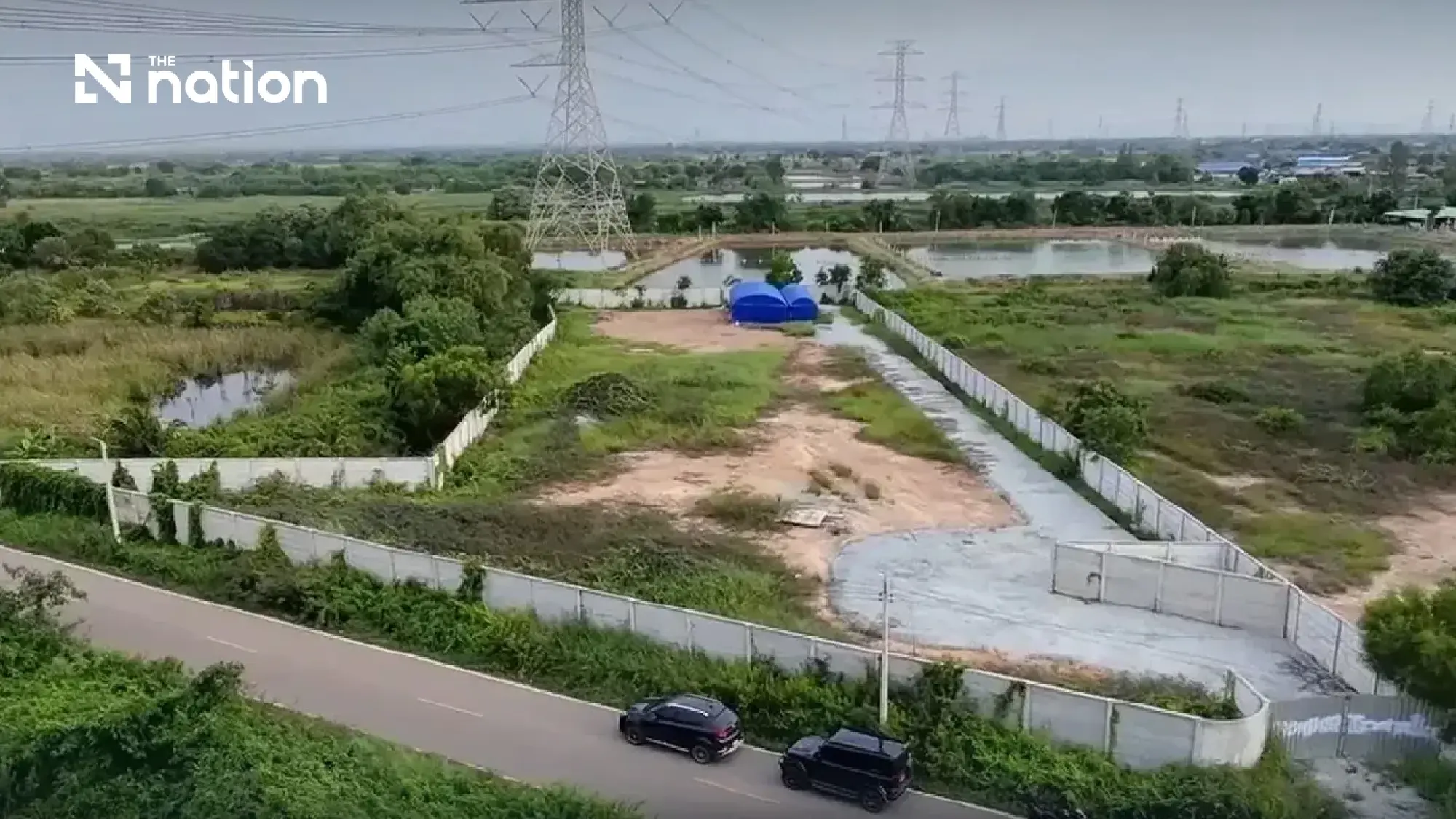
Deputy Interior Minister Polapee Suwunchwee has ordered local authorities to arrange the relocation of three sets of remains from a Jewish cemetery in Chachoengsao that no longer has a valid operating licence.
Visiting the site in Bang Khla district on Monday (September 7, 2026), Polapee said the three people had died after the cemetery’s licence expired and local authorities had not been notified. The district authorities and provincial governor would issue a formal written order requiring the remains to be moved.
A fourth person was believed to have died while the licence was valid, and Polapee said that burial was lawful. However, he instructed deputy district officials to examine the relevant legislation and said those remains would also have to be relocated if a breach was found.
He also ordered wider checks of cemetery licences, including sites in Bangkok’s Charoen Krung area, with findings expected within one or two days.
Licence renewal refused over site standards

Polapee said the Bang Khla cemetery’s operator applied for permission in 2021 and received a licence that year. When the licence expired in 2023, the operator sought renewal.
An inspection by the district chief and relevant agencies found that the site’s construction did not meet legal standards, including requirements governing its distance from roads and rivers. The licence was therefore not renewed.
The operator’s subsequent appeal to the interior minister at the time was unsuccessful. The operator then brought a case before the Administrative Court, where proceedings remain pending.
Asked about possible negligence in inspections or licensing, Polapee said any finding would have to be based on the facts. In the cemetery case, he said, officials had performed their duties correctly.

Charoen Krung sites face licensing checks
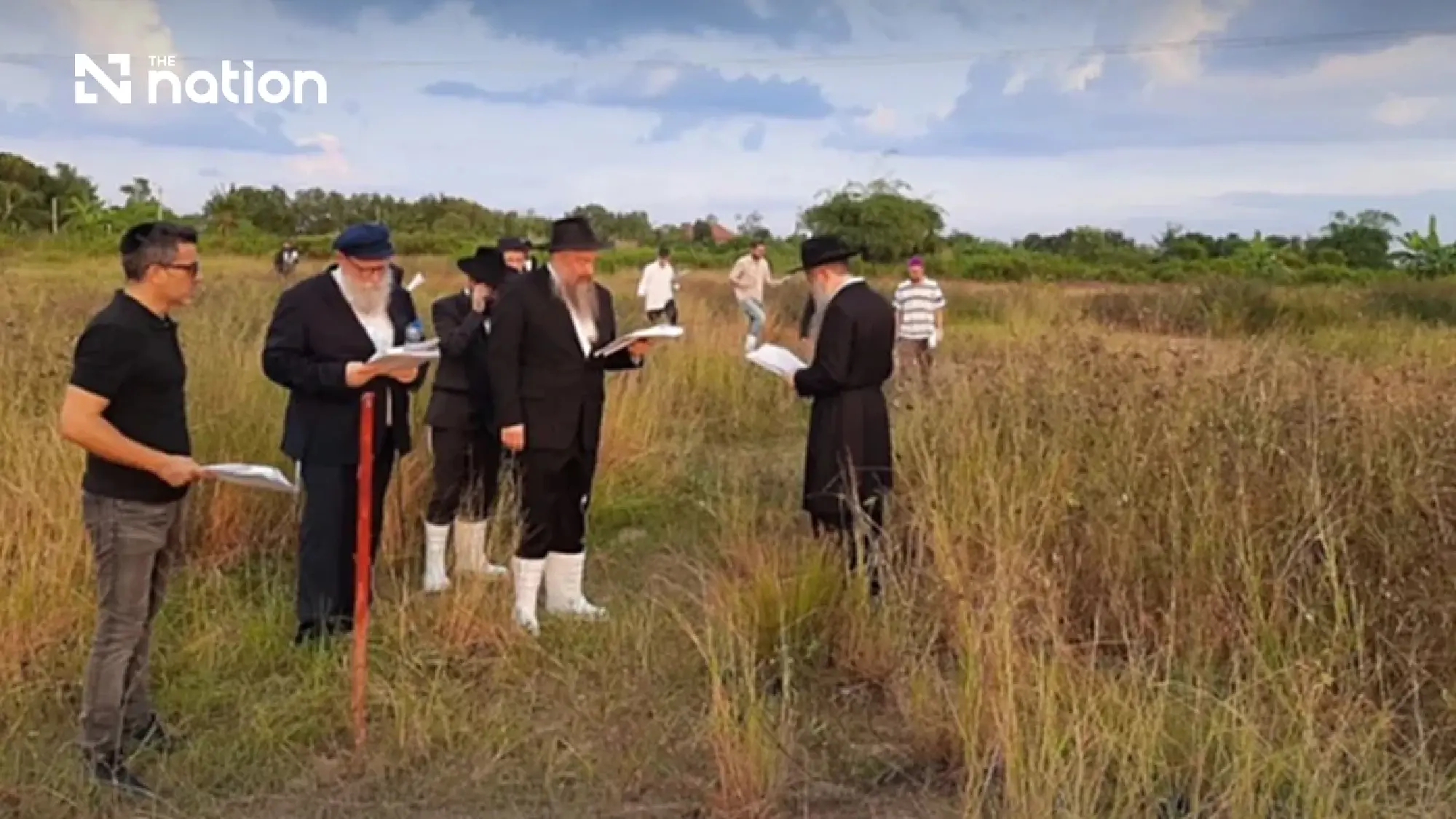
Asked about reports that a Jewish cemetery in Bangkok’s Charoen Krung area had operated without a licence for 30 years, Polapee said inspections suggested there were four or five locations in the area where human remains had been interred.
Officials had already been sent to examine the sites. The review would cover the applicable laws and regulations, while inspections of cemeteries nationwide would establish whether they held valid operating licences.
Any cemetery found to be operating unlawfully would face legal proceedings, he said.

Wider business inquiries and a 15-day land review
Polapee also outlined investigations into alleged illegal business activities involving foreign nationals, saying the authorities were examining suspected nominee arrangements and unlawful land ownership.
Responding to questions about problems involving Israeli nationals, he said such concerns had arisen repeatedly and insisted he had not ignored them. He had visited Phuket, Koh Samui and Koh Phangan and discussed the matter with the justice minister.
The Department of Special Investigation (DSI) was considering whether to accept the matter as a special case because the alleged financial damage exceeded 300 million baht, he said.
The Interior Ministry and Department of Provincial Administration had already expanded inquiries into businesses linked to the groups concerned. Investigations were proceeding with the Anti-Money Laundering Office (AMLO) and the DSI, while the Public Sector Anti-Corruption Commission (PACC) would join inquiries in areas where evidence indicated government officials were involved.
On land ownership, Polapee said more than 1,500 companies had been identified as holding land illegally, while approximately 14,000 other foreign-linked companies were considered suspicious. He also cited more than 5,800 land plots valued at over 60 billion baht.
He instructed the Department of Lands and the Commerce Ministry to work together. Provincial governors would be directed to enforce the immediate sale of land held by the companies he identified as acting illegally.
Authorities would have about 15 days to investigate the other suspected companies. Any found to have broken the law would face legal proceedings.
Polapee said foreigners in Thailand must comply with Thai law. He pledged to continue pursuing unlawful business networks, nominee arrangements and scammers, describing them as concerns for both the public and the prime minister.
Ownership alerts and welfare cardholders under scrutiny
Polapee said changes to company directors and shareholders had exposed weaknesses in the information available to officials.
According to the Commerce Ministry’s Department of Business Development, the companies were wholly Thai-owned when first registered. Subsequent changes were made through an online system, leaving officials unable to see the updated information, he said.
He instructed the Department of Provincial Administration, the Department of Lands and the Commerce Ministry to discuss improvements to their back-end systems so the Interior Ministry could examine ownership records more closely.
The proposed system would flag foreign shareholdings or land ownership arrangements that appeared to breach the law. Discussions were under way, he said.
Polapee sought to reassure the public that authorities already had the figures and names of the companies under scrutiny. Investigators were also examining whether Thai nationals involved in establishing those businesses had the financial capacity to do so.
Checks had covered approximately 50,000 names, including state welfare cardholders. Polpeer said this raised concerns about whether those individuals knew they were listed as company shareholders or had been paid to act for others.
The individuals concerned would have to be called in for questioning to establish how their names came to appear in the records, a process he said would take time.
