
Thailand’s poor reach 3.4m, 870,000 earn just 600 baht per month



Thailand’s poor rose to 3.43m in 2024, with 879,000 earning just 615 baht monthly; NESDC urges farm reform, subsidies and centralised welfare database.
Rising poverty ratio
The Office of the National Economic and Social Development Council (NESDC) reported that the ratio of Thais classified as “poor” rose to 4.89% in 2024, representing 3.43 million people with a monthly income of less than 3,078 baht.
The poverty rate increased from 3.41% in 2023, partly because the NESDC raised the poverty line from 3,043 baht to 3,078 baht per month in 2024.
Very poor and moderate poor
The NESDC said 879,000 people in 2024 were classified as “very poor”, with an average income of only 615 baht per month—more than 20% below the poverty line. Meanwhile, 2.55 million people were “moderately poor”, earning below the poverty line but not as much as 20% lower.

Farmers hardest hit
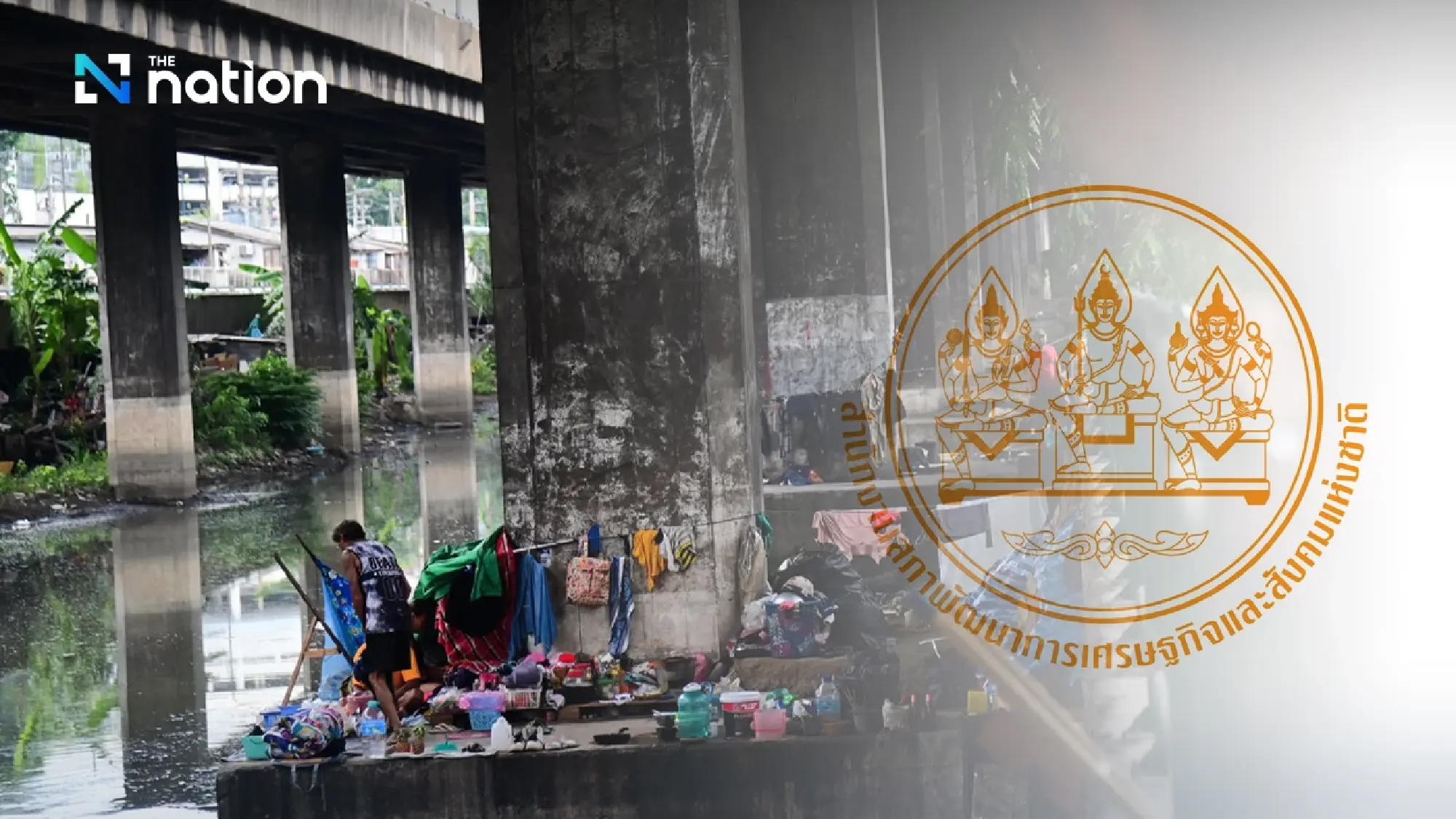
The council noted that 45.49% of the poor were farmers, whose incomes were unstable due to weather-dependent crops and fluctuating prices.
Spending inequality
The report highlighted growing inequality in spending. The poorest 20% of the population spent half of their income on food and drinks, while the wealthiest 10% spent heavily on non-food items such as vehicles, telecoms, tourism and healthcare.
Education and inequality
Education was also a major factor in poverty. Some 14.21% of uneducated citizens were poor, compared with just 3% of those with secondary school education. Children from wealthy families had far greater opportunities, with rich households spending 8.16 times more on education than poor households.

Regional disparities
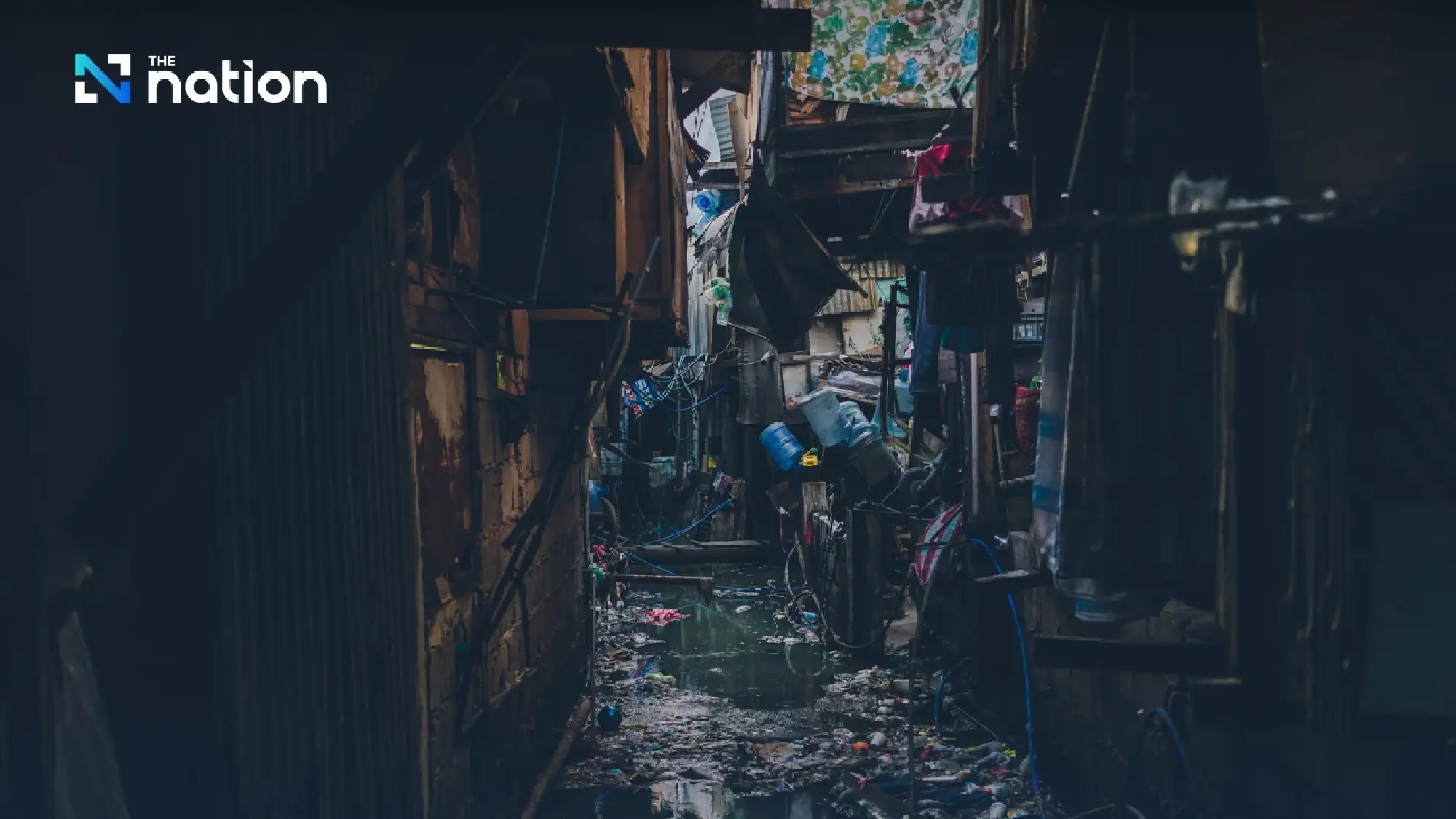
Poverty was more prevalent outside municipal areas than in towns, with the three southernmost provinces recording the highest poverty rates.
Social support
The NESDC noted that 97.49% of the poor had access to free medical services. The proportion of elderly receiving allowances rose from 94.19% in 2023 to 97.01% in 2024, while the proportion of disabled people receiving allowances increased from 73.85% to 87.45%.
NESDC recommendations
The council proposed three measures for the government:
- Conduct systematic assessments of projects’ short-, medium- and long-term results to ensure efficient use of budgets.
- Speed up development of a centralised population database by linking agencies’ data to avoid duplication and monitor improvements in living conditions.
- Invest in sustainable projects to help farmers achieve self-reliance, including conditional subsidies, agricultural technology, land reform, market support and water resource management.
