
Labour protection bill passes committee, cuts hours and boosts holidays
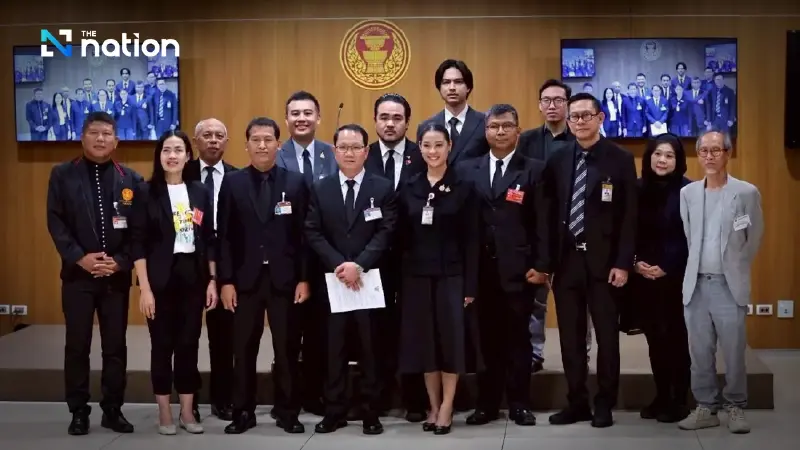


The draft labour protection bill, reducing working hours and increasing holidays, has passed the committee stage and is set to enter the next parliamentary session.
The House of Representatives' special committee on the Labour Protection Act reported progress in its review of the bill on Wednesday.
Charas Khumkhainam, a Chonburi MP from the People’s Party and the bill’s proposer, said the committee had met eight times, discussing and refining the proposal. The committee has amended several key provisions in the bill, including:
- Reducing the weekly working hours from 48 to 40 hours, with the exception of hazardous work, which will not exceed 35 hours.
- Increasing the minimum weekly rest days from one to at least two, with no more than five days between rest periods.
- Granting employees the right to 10 annual leave days after 180 days of continuous work, up from the previous 6 days after one year.

Regarding the law’s implementation, the original proposal suggested enforcement within 30 days of publication in the Royal Gazette. However, after consultations with stakeholders, including the Ministry of Labour, employer representatives, and employees, the committee decided to extend this to one year to allow adequate preparation time for employers, employees, and the ministry.
Sia Jampathong, a list MP from the People’s Party, stated that the law aims to improve the quality of life for workers, ensuring greater job security. He thanked the committee for its continued work and support for the bill. He urged MPs from all parties to push the bill through the second and third readings in the upcoming session and then move it to the Senate.

Sahassawat Kumkong, a Chonburi MP from the People’s Party, emphasized that this law is not only about workers’ rights but also relates to the economy and national security. He explained that employers will benefit from a more productive workforce, and workers will have more time for personal spending, reducing work-related accidents.
The law aims to enhance the quality of life for workers, addressing global debates on workers' welfare. He called on the public to follow the bill’s progress through its remaining stages.
