
Contract mismatch slows Laem Chabang Phase 3; PAT awaits joint technical review
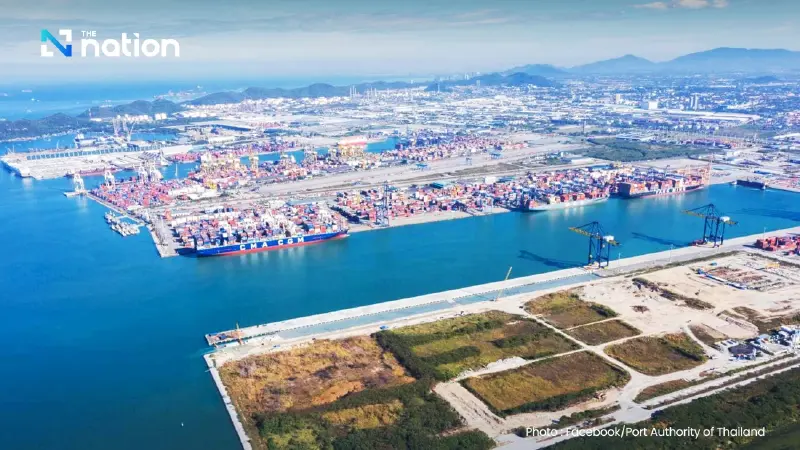


Port Authority of Thailand director Kriengkrai Chaiyasiriwongsuk says Laem Chabang Port Phase 3 is facing a delay in handing over the F1 and F2 sites to private partner GPC due to differing technical interpretations of sea reclamation standards, which could also affect the planned 2028 opening of the F1 terminal.
Kriengkrai Chaiyasiriwongsuk, director of the Port Authority of Thailand (PAT), has provided an update on the 84.361-billion-baht Phase 3 development of Laem Chabang Port, under the contract between PAT and GPC International Terminal (GPC) signed on November 26, 2021.
Construction progress: Package 1 and 2
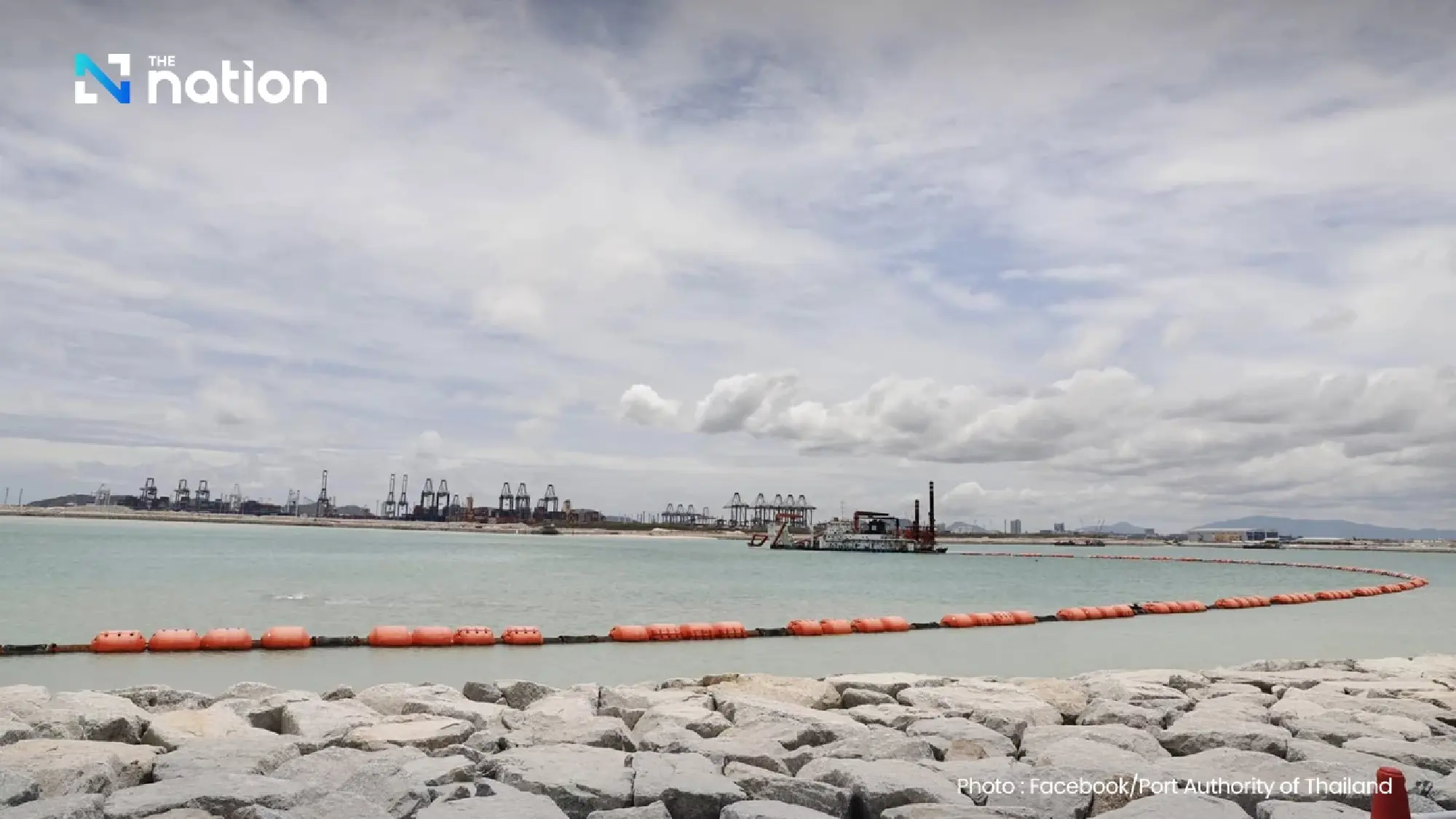
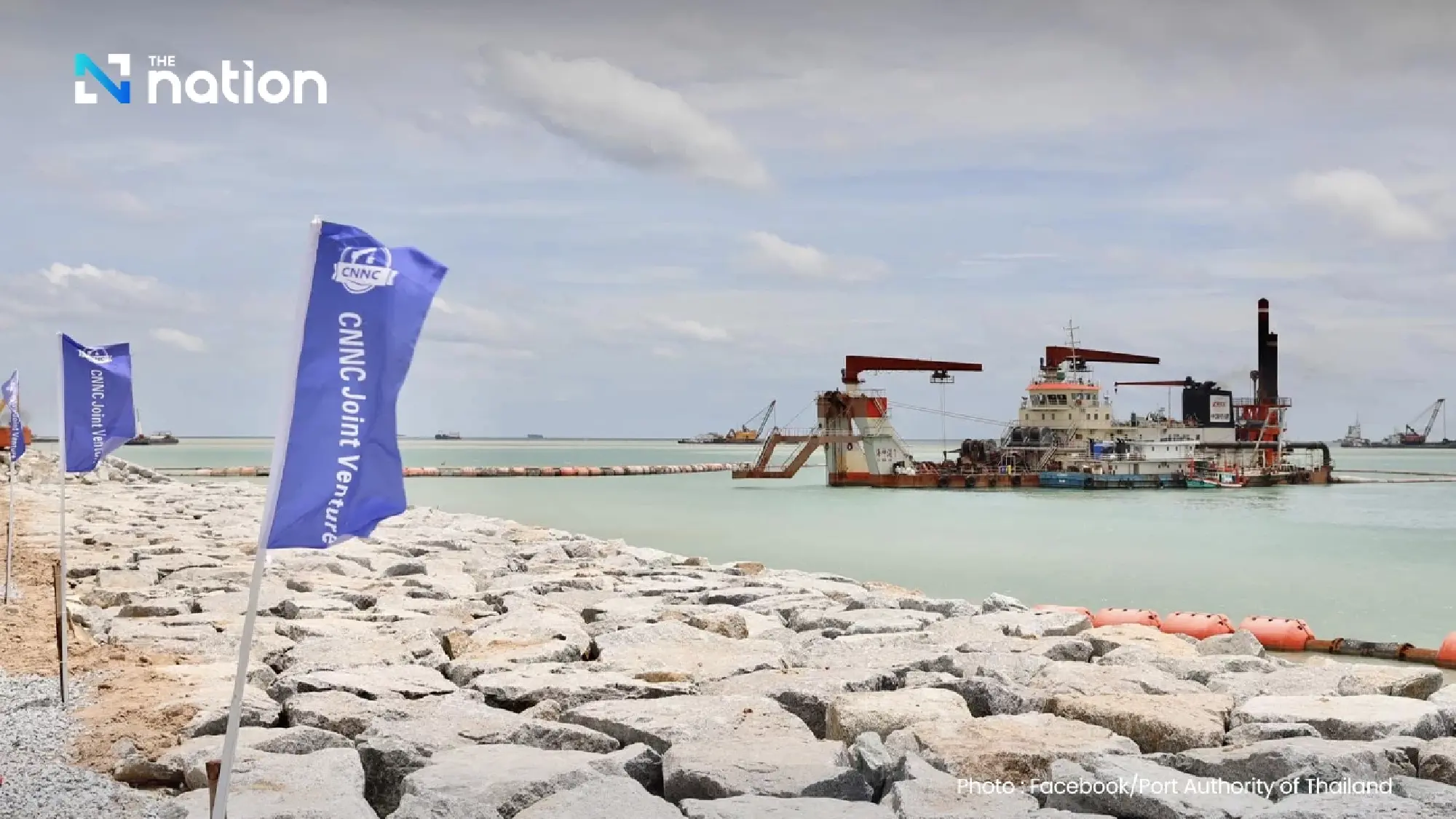
Kriengkrai said Contract Package 1—sea and coastal reclamation works worth 21.32 billion baht—is now more than 90% complete. The contractor is the CNNC joint venture, comprising N.T.L. Marine Co Ltd (a subsidiary of listed Prima Marine), Nattalin Co Ltd, and Zhonggang Construction Group Co Ltd (China). The works are scheduled to be handed over to PAT in mid-July.

He said Contract Package 2—covering road systems, buildings, utilities, coastal berths and service berths, and domestic freight connectivity systems to support a rail link reaching the back of the berths—has a budget of 7.298 billion baht and is about 11% complete. The contractor is CHEC (Thai) Co Ltd, part of China Harbour Engineering Company.
Site handover to GPC not yet possible
“PAT admits it is still unable to hand over the site to GPC, the private partner in the Phase 3 Laem Chabang Port project, for the F1 and F2 port sections,” Kriengkrai said.
The handover was originally scheduled for the end of 2025, but checks found differing interpretations of technical contract terms related to the sea reclamation work, requiring additional joint technical inspections.

Technical mismatch between two contracts
Kriengkrai said the review identified a technical issue caused by inconsistent interpretations between PAT’s reclamation contract and the public–private investment contract.
Under PAT’s contract with the CNNC joint venture, the reclamation work specifies that settlement over a 30-year period must not exceed 20 centimetres.
However, the investment contract between PAT and GPC includes density requirements for materials such as sand, requiring them to be compacted and strengthened. As a result, further joint inspections and negotiations are needed between PAT, GPC, and the Eastern Economic Corridor Policy Committee Office (EECO).
Possible piling work, but board approval needed
Kriengkrai said PAT has already discussed the contract interpretation issue with GPC and that, if additional strengthening is required, extra piles may need to be driven to support earthquake resistance.
However, he said the proposal must be submitted to PAT’s board for consideration—yet PAT currently has no board in place and is awaiting a new government to proceed with appointments.

Next steps and risk to timeline
If the board later approves using PAT’s budget to strengthen the reclamation works, additional piling could proceed, alongside contract management negotiations involving PAT, GPC and the EECO.
If budget cannot be allocated under the existing framework, the matter would need to be proposed to the EEC Policy Committee and the Cabinet to consider amending the joint investment contract—an approach PAT believes would take longer and could have a larger impact on the schedule.
F1 opening could slip from 2028 to 2030
Kriengkrai said the issue may delay the site handover to GPC for private-sector construction works and could affect the planned opening of Phase 3’s F1 terminal. Originally scheduled to open in 2028, F1 may be pushed back to open together with F2 in 2030.
