
15 years on: China uses its Japan fisheries import ban as diplomatic card
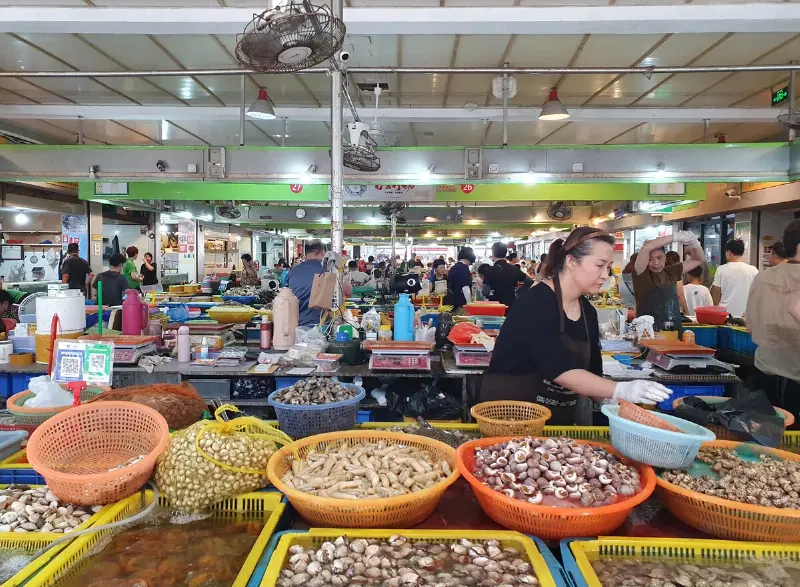


China has been using its restrictions on fishery product imports from Japan as a diplomatic card against Tokyo, ever since a triple meltdown occurred at the Fukushima No. 1 nuclear power plant in northeastern Japan 15 years ago.
China again halted imports of Japanese fishery products, which had just been resumed, in November after remarks on a Taiwan contingency by Japanese Prime Minister Sanae Takaichi infuriated Beijing.
The Chinese people are very unhappy with Japan, a spokesperson for the Chinese Foreign Ministry said at the time.
Even if Beijing resumes imports of Japanese fishery products, there would be no place for them in the Chinese market, the spokesperson warned.
Once a major importer of Japanese agricultural and fisheries goods, China introduced substantial restrictions on imports of such goods shortly after the nuclear accident in March 2011.
While gradually easing some restrictions since then, Beijing had been adjusting its import policy according to the state of the two nations' ties.
In August 2023, China imposed a blanket ban on fishery products from Japan in response to the Japanese government's decision to start releasing into the ocean tritium-containing treated water from the nuclear plant.
The two governments reached an agreement under then Japanese Prime Minister Shigeru Ishiba, Takaichi's immediate predecessor, for China to completely remove the import restrictions.
The two nations also launched talks for China to resume imports of Japanese beef.
"The Chinese government is using our 'disadvantaged' fishery products as a political diplomatic card, with its actions not based on any scientific grounds," a senior official at a Japanese food manufacturer operating in China said.
In 2020, China raised tariffs on Australian wine and wheat after the bilateral relationship soured.
Canada and Norway also faced economic pressure from Beijing.
As the Chinese government scrapping import restrictions usually comes in response to a change in the government of the exporting nation, many believe that Japan will be in a tough situation for a while.
"China will likely continue harassing Japan," the food maker official said. "We're building a supply chain that is not reliant on China," the official said, citing increased investments in Latin America.

[Copyright The Jiji Press, Ltd.]
