
Over 7,000 cannabis shops close due to stricter regulations and new law
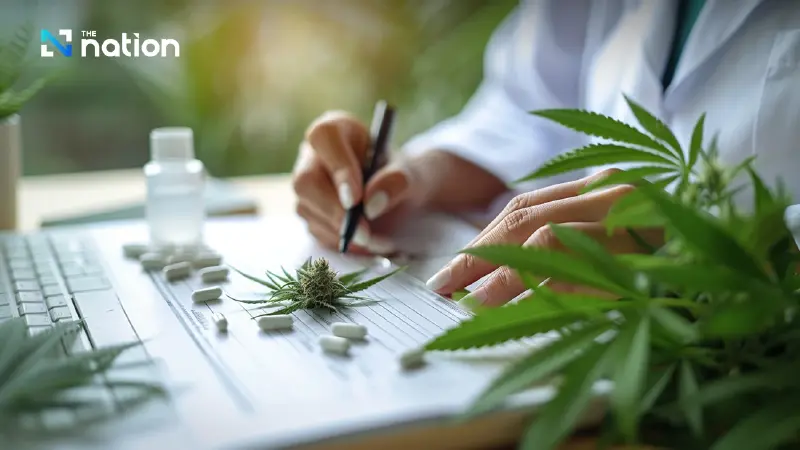


Over 7,000 cannabis shops have closed after stricter laws made it harder for businesses to comply, leading to significant financial losses for operators in Thailand.
Over 7,000 cannabis shops across Thailand have decided not to extend their licenses following stricter regulations and changes in marijuana policies, resulting in huge financial losses for many small business owners.
According to data from the Public Health Ministry as of December 28, 2025, there were 18,433 cannabis shops operating nationwide. However, 8,636 of these shops saw their licenses expire last year. Of those, only 1,339 (15.5%) renewed their licenses, while 7,297 shops chose to shut down. This leaves 11,136 cannabis shops still in operation.
Business Owners Face Huge Losses Due to New Regulations
Experts estimate that the closure of 7,297 shops could result in the loss of tens of millions of baht in investment, including costs for rent, renovations, equipment, and labor. Many of these businesses were established after the government decriminalized cannabis on June 9, 2022.
However, following the policy shift by the Pheu Thai-led government, which banned recreational use and restricted cannabis use to medical and research purposes, a new ministerial directive has made it much harder for businesses to comply. One of the most challenging new requirements is that cannabis shops must have a licensed or registered traditional medicine practitioner on-site to operate legally.
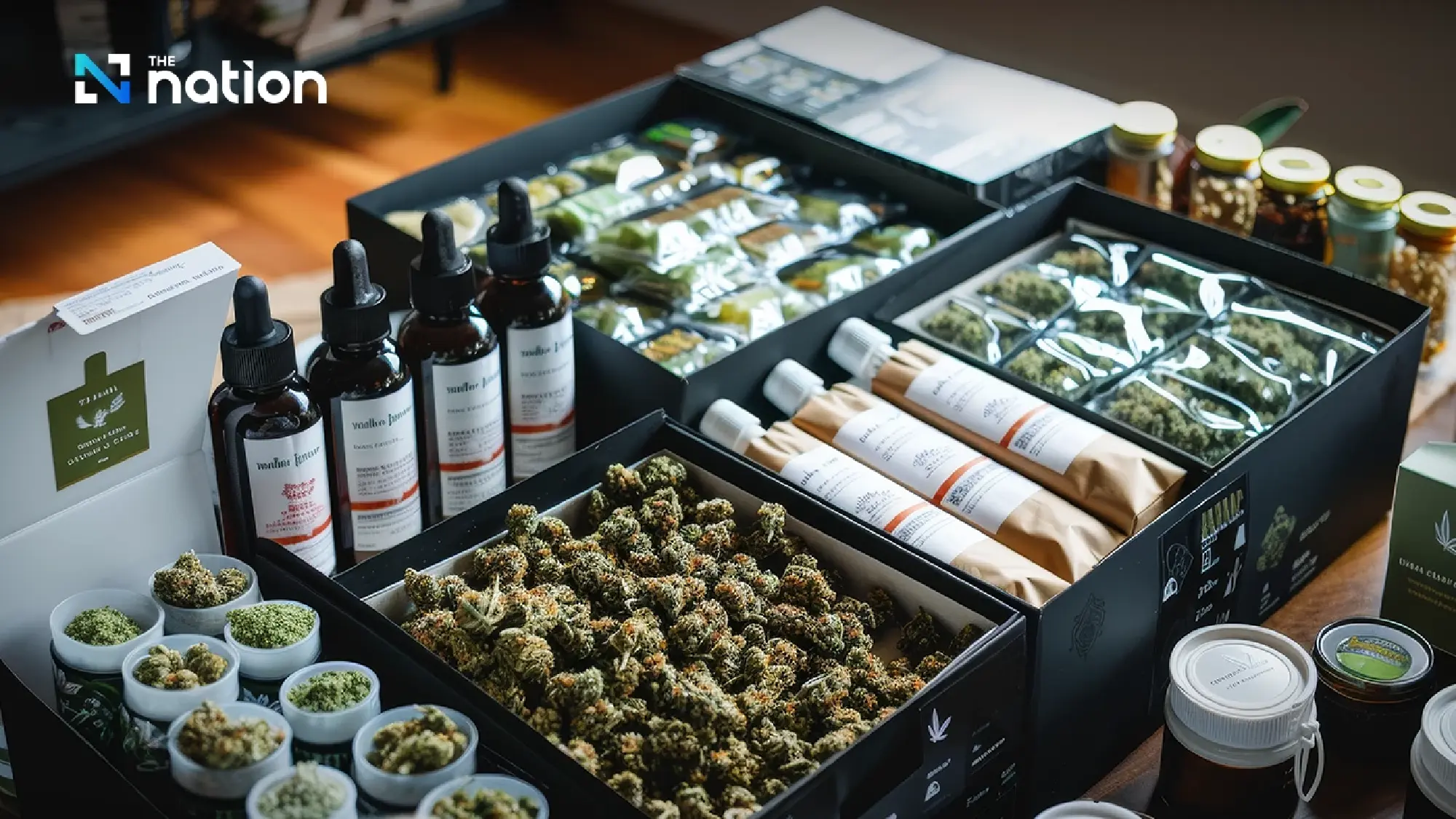

Thailand Shifts to a Medical-Only Cannabis Framework
As of February 2026, the Thai Public Health Ministry has dramatically tightened its control over the cannabis industry, marking a departure from the "wild west" decriminalization period of 2022. The government has officially shifted to a "medical-use only" framework, criminalizing recreational use once again.
Key changes in the new regulations include:
- Medical Use Only: Cannabis flower is now classified as a "controlled herb" and can only be sold with a prescription from a licensed medical professional.
- Prescription Requirements: A valid prescription is required to purchase cannabis, with a 30-day supply limit.
- Tourist Access: Tourists can access medical cannabis only after a consultation with a Thai doctor and obtaining a medical certificate.
- Business Restrictions: Dispensaries must employ licensed medical professionals and are prohibited from selling cannabis in certain public spaces or online.
- Advertising and Consumption Restrictions: All cannabis advertising is banned, and smoking cannabis in public is illegal, with fines up to 25,000 baht.
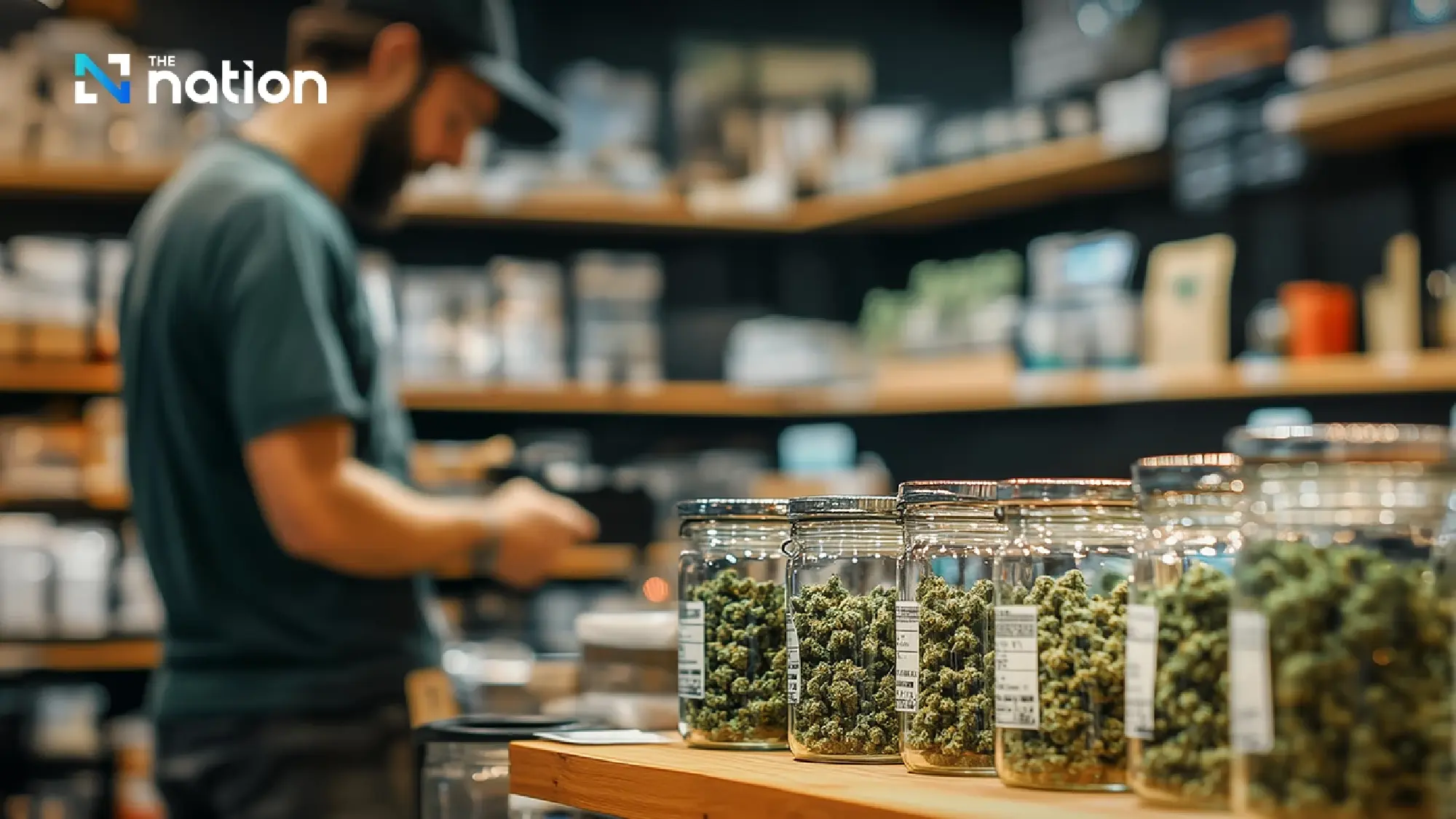

Cannabis Shops Struggle to Survive Amid Growing Costs
A cannabis shop owner in Bangkok shared that their business started with an initial investment of 200,000 baht and gradually expanded, with nearly 1 million baht invested in renovations, equipment, and stock. However, with the new policy changes, including the requirement for specialized staff and higher operating costs, the business is no longer viable.
"At first, I believed this policy would be sustainable because the government positioned it as an economic opportunity. But now, with the new laws, our license will expire in October 2026, and the new conditions make it impossible to renew. All the money invested now feels lost," the business owner said.
Public Health Costs and Policy Shifts Prompt Further Concerns
The pressure to reconsider cannabis legalization comes not only from the business sector but also from rising public health costs. Dr. Bandit Sorpaisan, a scientist at the Center of Addiction and Mental Health (CAMH) in Canada, commented that Thailand's cannabis policy is an example of decriminalization without a clear regulatory framework, leading to increased health and economic costs in the long term.
Data from the Ministry of Public Health's Health Data Center shows a 3.5-fold increase in cannabis poisoning cases, a 6.5-fold increase in cannabis addiction, and a similar rise in cannabis-induced psychosis since the policy change. In one of Thailand’s major tourist destinations, cannabis-related emergency room visits have risen from zero to over 90 per month, with more than 80% of these cases involving foreign tourists. This has had a negative impact on the tourism industry and public confidence.
The Future of Thailand’s Cannabis Market
Recently, the Ministry of Public Health has mandated that cannabis purchases require a doctor's prescription to ensure it is used strictly for medical purposes. While the government assures that patients will not face a shortage of medicine, this shift to a medical-only framework is expected to significantly reduce the market size and restrict the number of businesses able to survive in the cannabis industry.
