
DRT told to speed up single ownership plan for 40–60 baht train fares from 2027
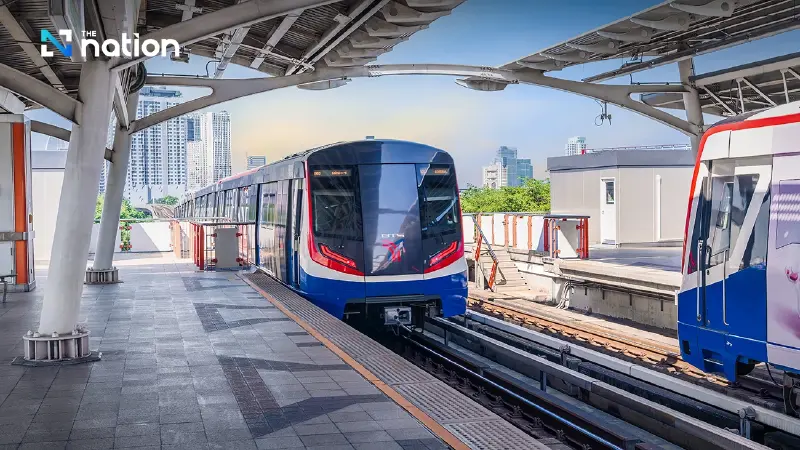


Deputy Transport Minister Siripong Angsakulkiat has ordered the Department of Rail Transport to accelerate the single ownership policy so a 40- or 60-baht all-day fare can be introduced across electric train lines from January 1, 2027.
Rail agency ordered to fast-track single fare policy
Deputy Transport Minister Siripong Angsakulkiat said he had ordered the Department of Rail Transport (DRT) to speed up the single ownership policy for electric train operations so that an all-day fare of 40 or 60 baht can be implemented across all routes from January 1, 2027.
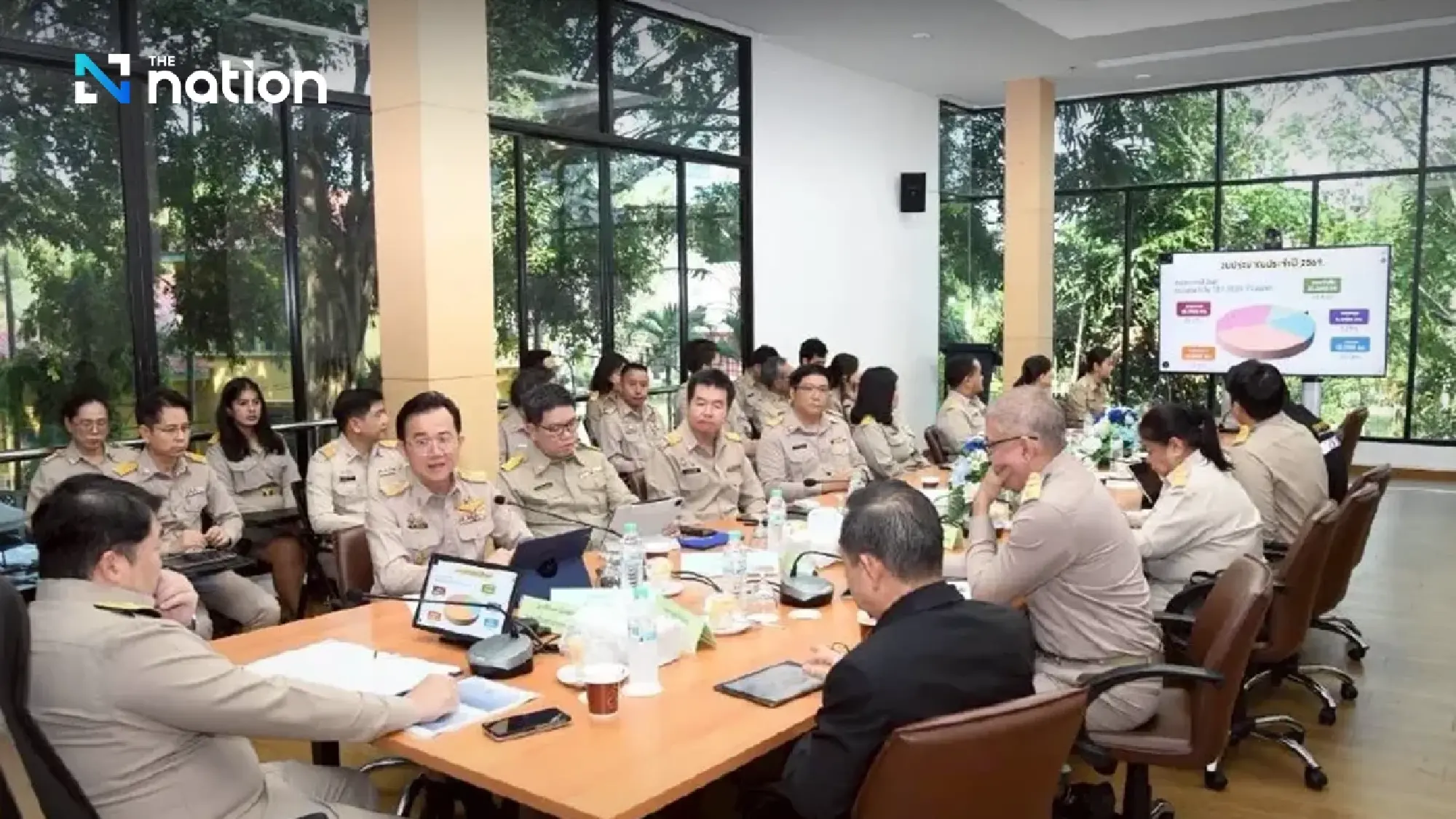
Speaking during an inspection visit and policy briefing at the DRT, Siripong said the Rail Transport Act B.E. 2568 (2025) had now come into force and the agency, as the national rail regulator, must move quickly to turn government policy into concrete action.
Under the single ownership model, the state would regain the right to manage revenue and set fares across all electric train lines under one standard system.
State to seek control of fares and revenue
Siripong said the government aims to negotiate with the two major concessionaires, BTS Group Holdings Plc and Bangkok Expressway and Metro Plc (BEM), although talks may differ for each company because concession periods vary by line.
He said the plan would not involve using the state budget or borrowing money to buy back concessions. Instead, the government would adjust the contract model from a public-private partnership under the net-cost model to a gross-cost operating contract.
“We will separate assets from management. The state will reclaim the right to collect revenue and set fares so that it can control prices in line with government policy, while the private sector will continue to operate the services under contract,” Siripong said.

Green Line contracts to be reviewed
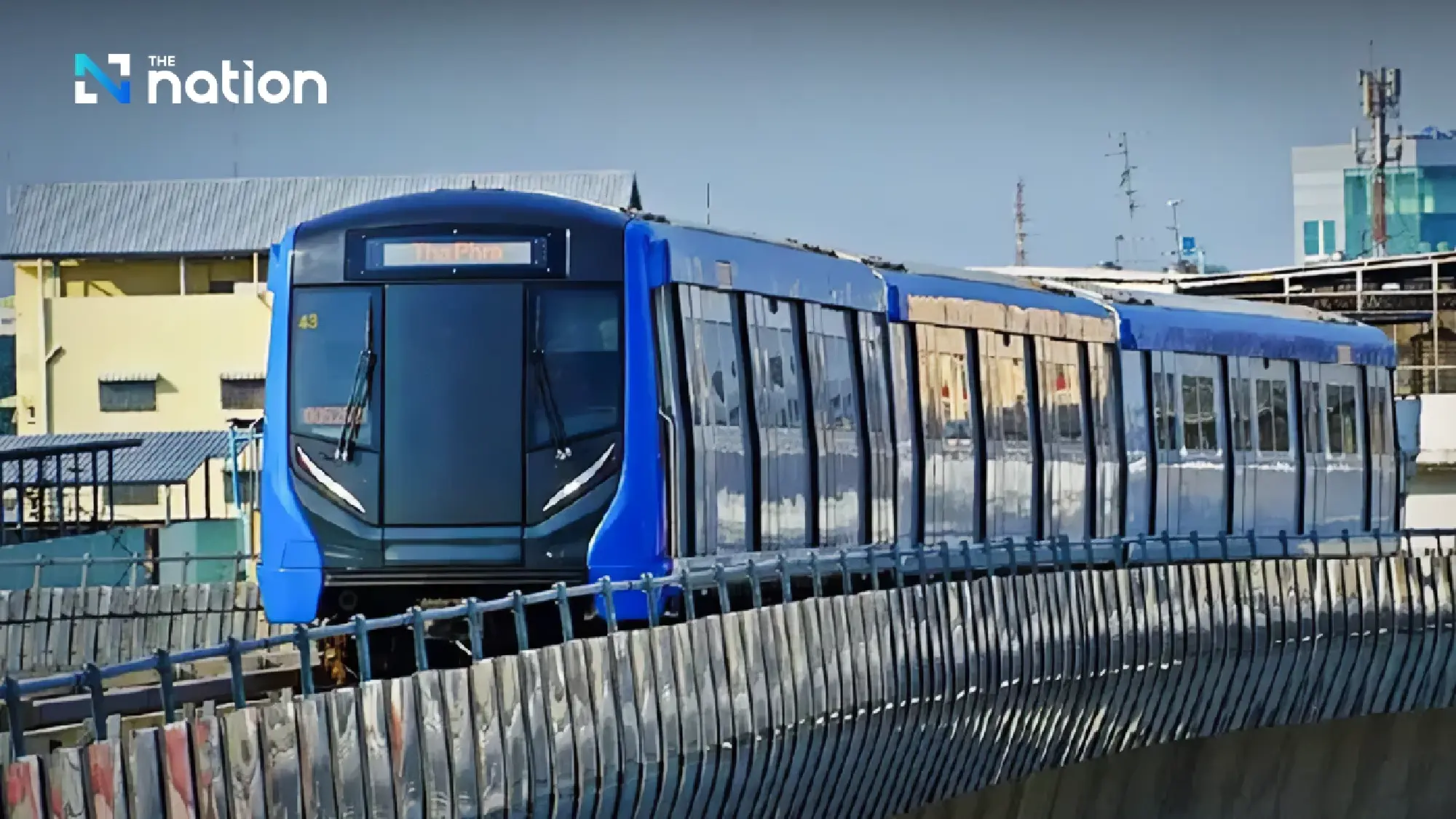
For the Green Line, concession rights would be transferred back to the state in three sections.
Siripong said the main route from On Nut to Mo Chit could proceed first because the private operating concession has only three years remaining.
However, the first extensions — Saphan Taksin–Bang Wa and On Nut–Bearing — as well as the second extension from Bearing to Kheha Samut Prakan and the northern extension from Mo Chit to Khu Khot, are under the responsibility of the Bangkok Metropolitan Administration.
Their contract details must be reviewed before they can be brought under the same system.
DRT director-general Pichet Kunadhamraks said the single ownership model was intended to reduce fares. The proposal must be submitted to the DRT board by April 30 for consideration of the 40–60 baht distance-based all-day fare model and the transfer of electric train concessions back to the state.
The total asset value of all electric train lines is estimated at around 140 billion baht, although this does not represent the concession buy-back value.

Proposal to go before Cabinet
If the DRT board approves the proposal, the Transport Ministry will submit it to the Cabinet for approval in principle on the new fare structure and single ownership model.
A policy committee on reducing the cost of living would then be appointed before the matter is proposed to the Mass Rapid Transit Authority of Thailand board. It would later be submitted to a committee under Section 43 to negotiate concession contract revisions with the two private operators holding state rail concessions.
Negotiations are expected to begin in May, before public hearings on the new fare structure are opened by September 2026.
Two-tier all-day fare planned
Under the proposed fare model, passengers travelling no more than 10 stations would pay 40 baht for all-day travel, while those travelling more than 10 stations would pay 60 baht for all-day travel.
The system would calculate fares through EMV cards. From the sixth year onwards, fares would rise by 5 baht per year in line with the consumer price index, with the maximum all-day fare capped at 90 baht.
If a passenger’s actual fare is below the 40- or 60-baht threshold, the system would charge the actual distance-based fare.
Officials said the policy was aimed at reducing the cost of living without creating an excessive subsidy burden. Previous implementation on the Red and Purple lines showed passenger numbers rising by 13%, leaving the state with almost no need to pay compensation. Officials expect passenger numbers to rise by at least 13% once all electric train lines are brought under one system.

Funding model for double-track rail projects under review
Siripong said that, on infrastructure investment, he had assigned the DRT to study changes to the investment model for future projects, including some routes under the second phase of double-track rail development.
The three routes under review are the 281-kilometre Pak Nam Pho–Den Chai route, worth 81.143 billion baht; the 308-kilometre Thanon Chira Junction–Ubon Ratchathani route, worth 44.103 billion baht; and the 189-kilometre Den Chai–Chiang Mai route, worth 68.222 billion baht.
These projects have not yet been approved by the National Economic and Social Development Council and have not received budget allocations.
The ministry wants the DRT to consider using the Thailand Future Fund instead of the state budget to reduce pressure on public debt, which is already close to a relatively high ceiling.
Siripong said the review of funding sources would not affect the overall plan or investment projects that had already received budget allocations, including the three southern double-track rail routes being pushed forward by the government.
Private operators may be allowed to rent tracks
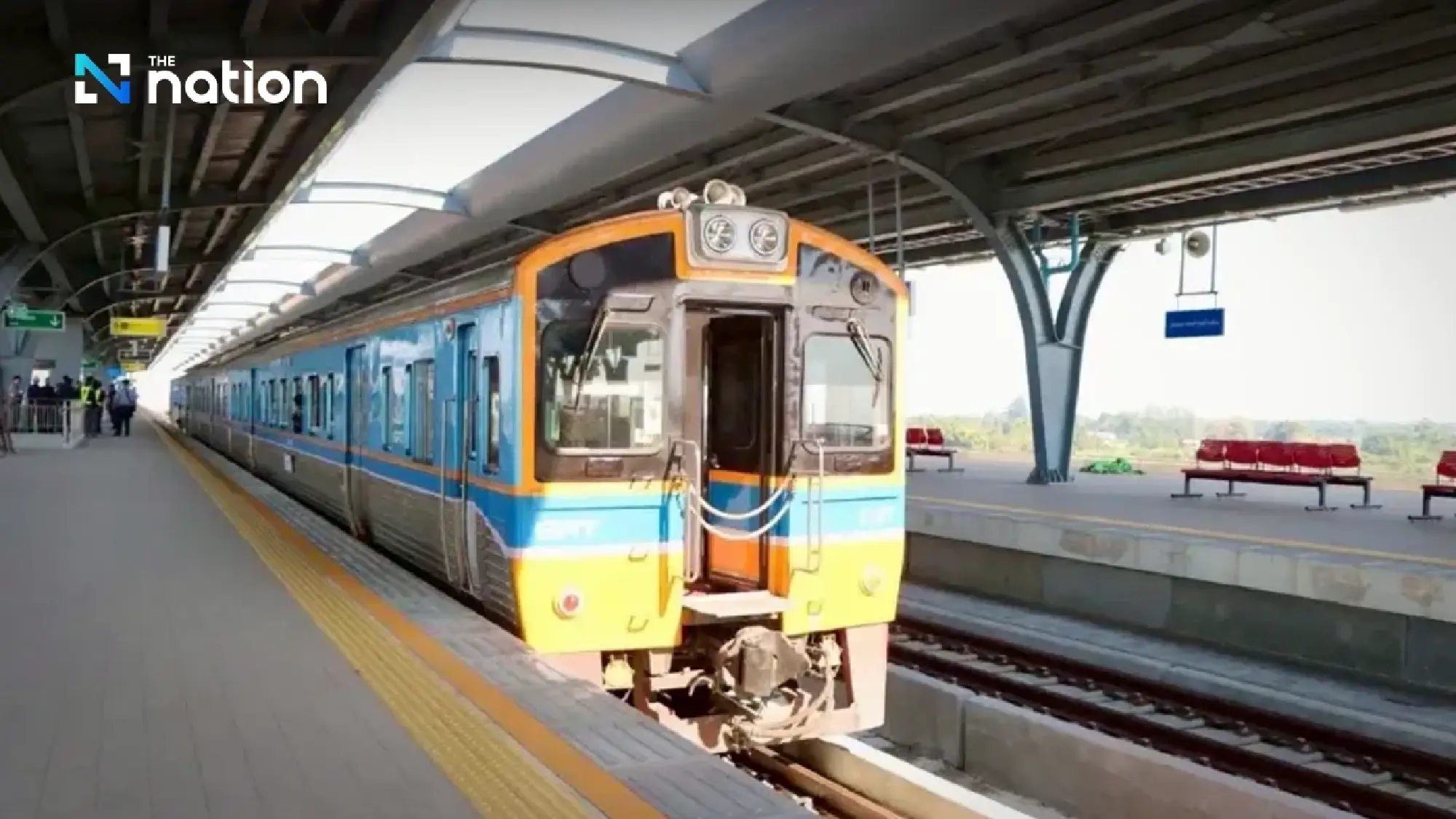
Pichet said the Rail Transport Act could also be used to open the rail network to other private operators under an open-access model.
Private companies would be able to apply to operate services on existing rail networks for either passenger transport or freight. They would be required to pay track access fees to the State Railway of Thailand.
The SRT must prepare train timetables and announce available routes or time slots by July. The DRT will set a ceiling for track access fees to ensure they do not become a burden on private operators or the public.
Pichet said the model would improve transport efficiency and create new options, such as allowing Thailand Post or private companies to operate their own freight trains using their own locomotives and cargo wagons.
