
U-Tapao megaproject enters delivery phase after long delay
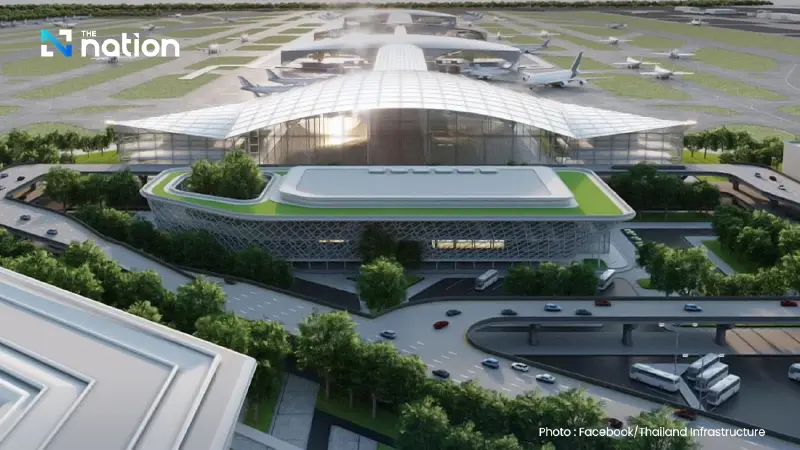


Thailand’s THB300-billion U-Tapao Aviation City has begun construction under a leaner first-phase plan after years of delay.
Thailand’s long-delayed U-Tapao Airport and Eastern Aviation City project has moved into its delivery phase, but with a leaner first-stage plan designed to match current travel demand and the continued absence of the high-speed rail link connecting Don Mueang, Suvarnabhumi and U-Tapao airports.
The THB300-billion megaproject, one of the flagship public-private partnership projects under the Eastern Economic Corridor (EEC), officially commenced construction on April 3, 2026, after more than five years of delays since the original contract was signed in 2020.
The Eastern Economic Corridor Office (EECO), the Royal Thai Navy and U-Tapao International Aviation Co Ltd (UTA) marked the start of construction with a sacred groundbreaking ceremony at the Naval Aviation Division in Rayong province.
However, the more significant development now is not the ceremony itself, but the project’s shift from prolonged contractual uncertainty into actual construction, with the first phase scaled to more realistic post-pandemic conditions.
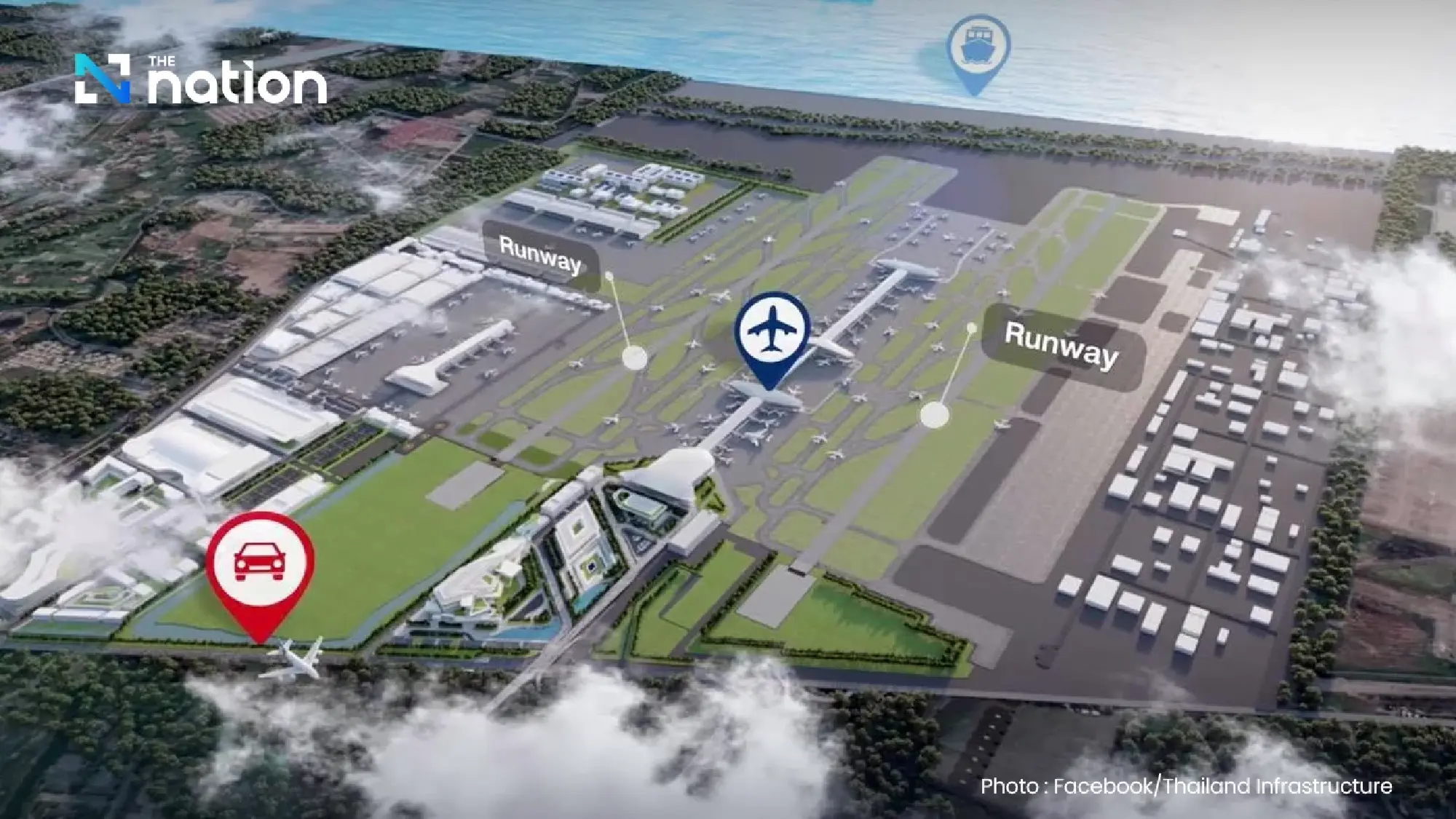

Revised first phase reflects current demand
Under the revised first-phase plan, UTA will focus on building the main passenger terminal and essential airport infrastructure, initially designed to handle around 3 million to 4 million passengers a year.
The original first-phase vision had targeted capacity of 12 million to 15 million passengers annually. The adjustment reflects changes in tourism, aviation demand and the broader economy after Covid-19, as well as delays to the high-speed rail project that was intended to link U-Tapao with Bangkok’s two main airports.
The first-stage investment is expected to be around THB10 billion, with further expansion to be triggered when airport usage reaches about 80% of available capacity.
Mr Keeree Kanjanapas, executive chairman of UTA, said the first phase would concentrate on the passenger terminal and core infrastructure, while the long-term goal remains to expand U-Tapao’s capacity to 60 million passengers a year.

Rail-link condition relaxed to unlock construction
The project had been held back partly by conditions tied to the high-speed rail linking Don Mueang, Suvarnabhumi and U-Tapao.
On January 29, 2026, EECO and UTA signed a joint contract management agreement, clearing the way for work to begin on sections of the project that were ready to proceed.
UTA also agreed to waive certain contractual conditions linked to the high-speed rail project, allowing construction to move ahead without waiting for the rail project to be finalised.
The move effectively separates immediate airport development from the rail-link timeline, while still leaving the high-speed train as a key factor in the project’s long-term success.
Aviation City to support EEC growth
Mr Tharith Issarayangyun, deputy secretary-general of the EECO, said the project would transform U-Tapao from an existing airfield into a world-class commercial airport hub.
UTA is expected to conduct roadshows to attract airlines, investors and international companies to the Aviation City, with the broader aim of positioning the EEC as a green hub for the economy, industry and advanced technology.
The Aviation City component is expected to include real estate development such as hotels, shopping malls and residential areas. Development of these commercial zones is slated to begin in late 2026 to help build investor confidence around the project.
Runway and utilities remain key to full launch
Public-sector works are also advancing alongside the private-sector airport development.
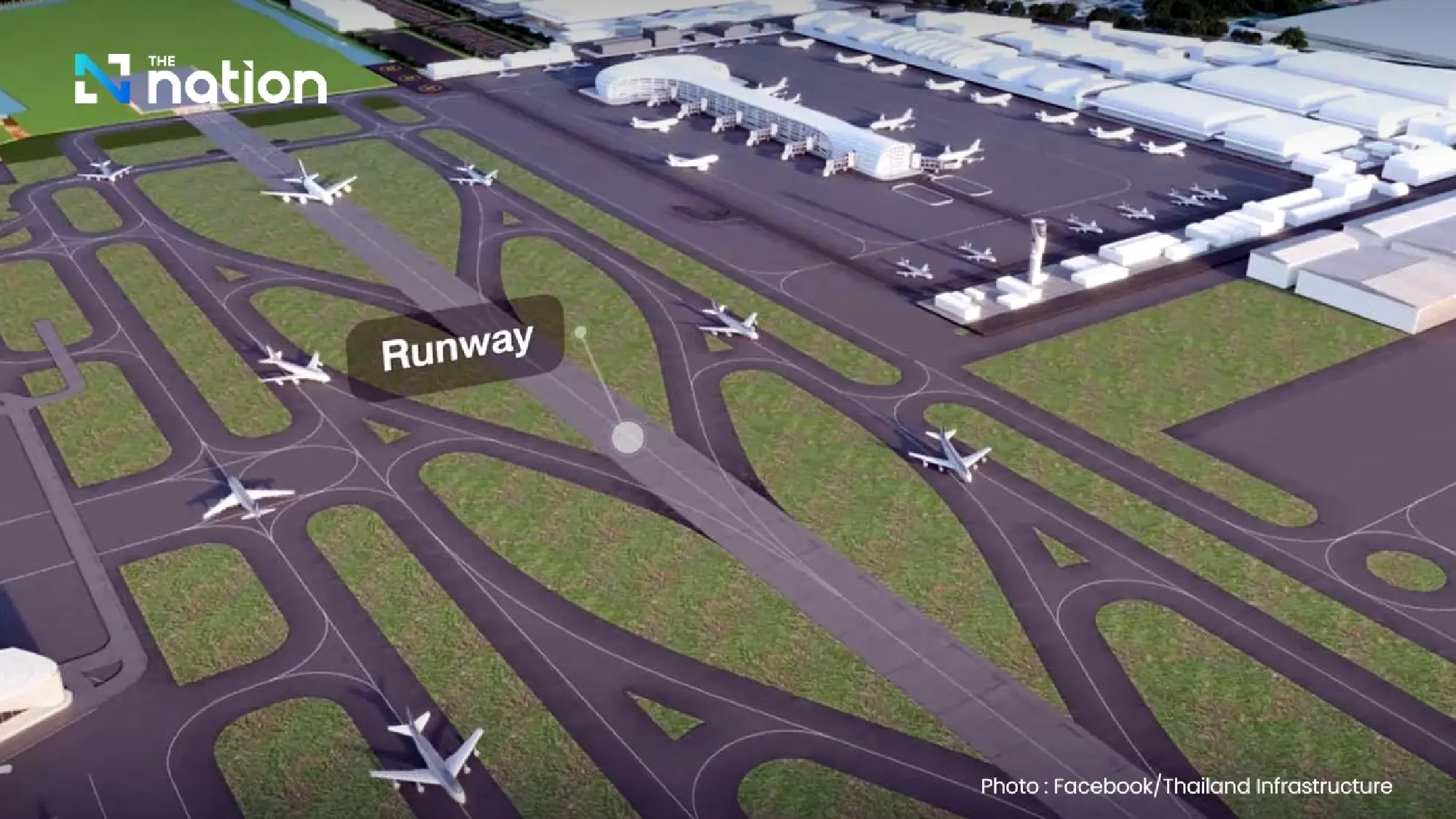
The Royal Thai Navy is currently constructing Runway 2 and taxiways, with completion scheduled for May 2028. Supporting infrastructure, including water, electricity and aviation fuel systems, is also being accelerated to ensure the airport is ready for commercial operations.
Once completed, U-Tapao is intended to serve as Bangkok’s third major international airport and a key aviation gateway for the EEC, supporting tourism, logistics, advanced industry and investment across Thailand’s eastern region.
The project is now entering its most important test: proving that a megaproject long associated with delays can be delivered in phases, attract real demand and grow into the aviation hub Thailand has promised for years.
