
Anutin to set up panel to restudy Land Bridge amid southern opposition
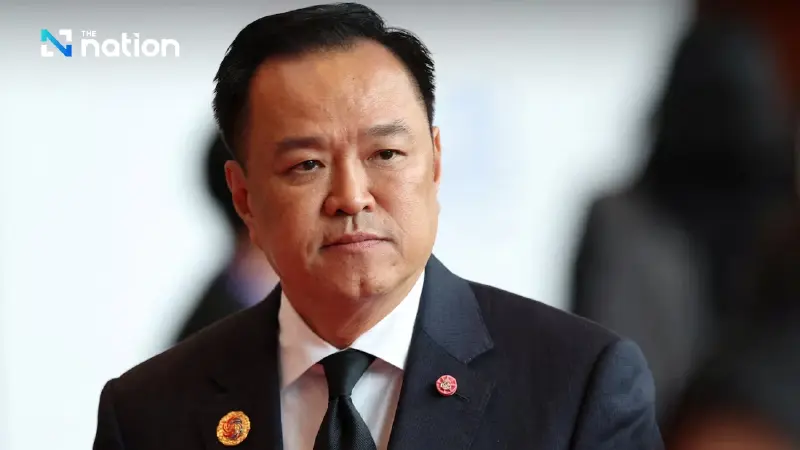


Prime Minister Anutin Charnvirakul says a new committee will reassess the southern Land Bridge project as local opposition grows over land, livelihoods and environmental risks.
Prime Minister Anutin Charnvirakul has promised to set up a new committee to restudy the southern Land Bridge project, following strong opposition from local residents and civic networks in the South.
Asked how the government would respond to people in southern provinces who oppose the project, Anutin said a committee would be established to study the plan again in line with the current situation.
The move comes as the government is trying to revive the long-debated project, which would link the Andaman Sea and the Gulf of Thailand through deep-sea ports, rail, roads and related infrastructure. ธhe project is estimated at around 1 trillion baht and would involve ports in Ranong and Chumphon linked by about 90 kilometres of road and rail infrastructure.
Local concerns put project under pressure
The Land Bridge has faced resistance from civic groups and residents over possible land expropriation, environmental damage, disruption to local livelihoods and fears that the South could be turned into a large industrial corridor.
Opposition has intensified alongside debate over the Southern Special Economic Corridor Bill. SEC Watch, a civic network, said people from 14 southern provinces would step up campaigns against the bill and the Land Bridge project, warning about foreign land leases, displacement of local people and the risk that residents could be pushed aside by large-scale development.
Environmental concerns have also become a central issue. Critics say the project could affect marine ecosystems, coastal resources, national parks, wetlands, fisheries and tourism-dependent communities in Ranong and Chumphon. A recent public debate has also cited study findings questioning whether the project would be worth the economic and environmental cost.
However, public opinion in the South appears mixed. A Nida Poll survey of 1,455 people in 14 southern provinces found that many respondents supported the project, although more than half said they had only slight understanding of it and 38.03% cited concern over environmental impacts on land and at sea.
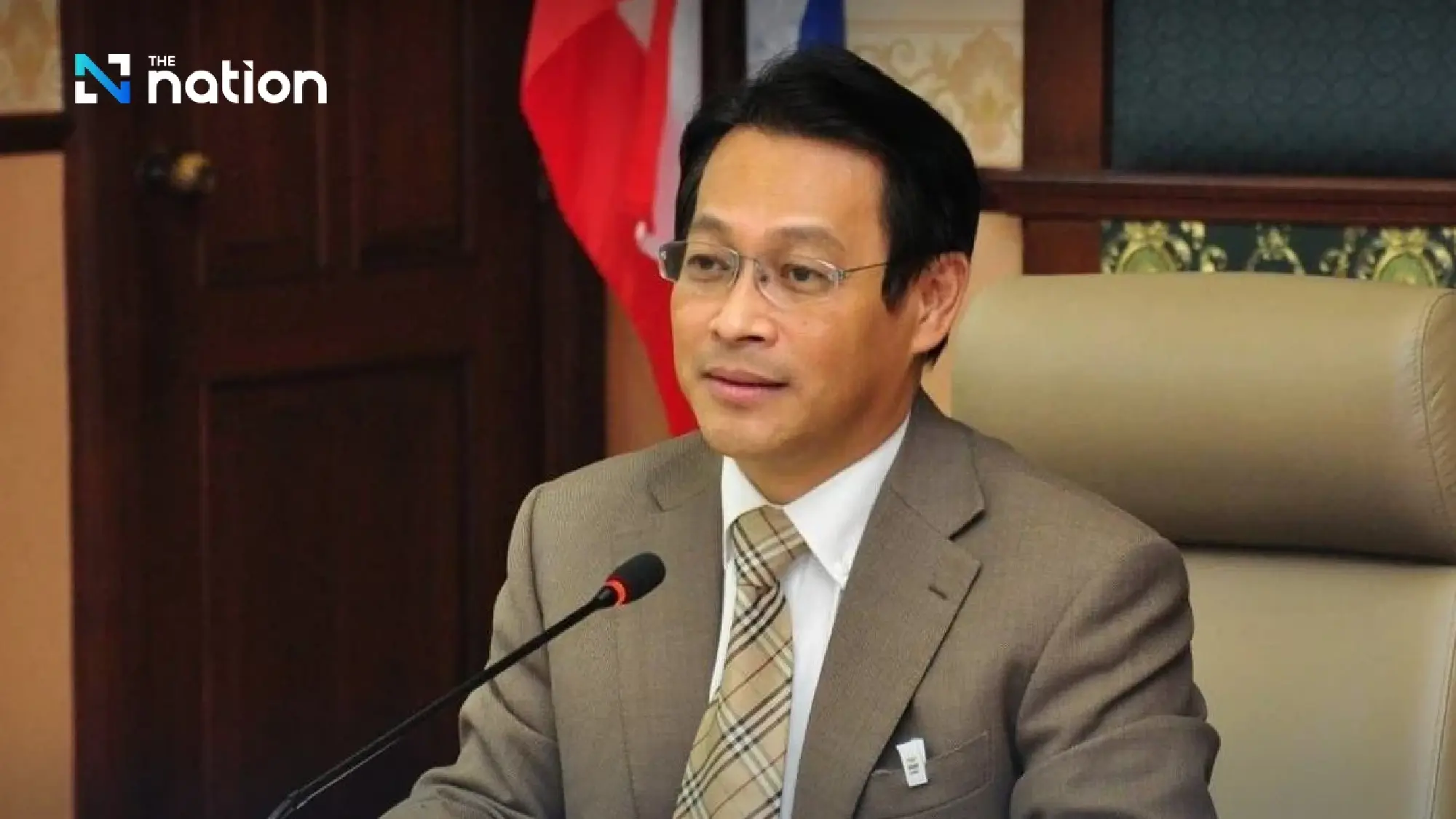

Suchart questions project’s value
Former finance minister Suchart Thadathamrongvech said the government should be cautious about pressing ahead with the Land Bridge, arguing that several academic studies had found the project was not cost-effective.
He said the main weakness was that cargo would have to be loaded and unloaded from ships twice, requiring a large number of trains to move goods across the peninsula.
If Thailand wants to link the two oceans, Suchart said, it should either develop a raised canal system similar to the Panama Canal or consider an actual canal, rather than relying on a land-based transshipment model.
Former minister proposes rail alternative
Suchart proposed that the Land Bridge be treated as a second-phase project so the government can first assess the economic risks, opportunities and international political implications.
In the meantime, he said Thailand should use the China-Thailand high-speed railway as an alternative logistics route, while expanding and upgrading Ranong Port to international standards.
“I propose that the Land Bridge should be developed as a second phase in order to assess the risks and opportunities, both economically and in terms of international politics. In the meantime, Thailand should instead use the China-Thailand high-speed railway for transport by expanding and upgrading Ranong Port to international standards,” Suchart said.
Under his proposal, goods could be transported via the China-Laos-Thailand railway between Vientiane and Ranong Port. Cargo could then be handled at Ranong and moved directly to Kunming, which he said would be much faster than sea freight.


China rail link urged to avoid lost opportunity
Suchart added that the Yunnan provincial government had previously proposed investing in high-speed rail construction, and that he had discussed the matter directly with Yunnan’s deputy governor.
He said the Thai government should speed up completion of the China-Laos-Thailand railway and begin services as soon as possible, warning that delays would cost Thailand economic opportunities.
For the section from Vientiane across to Udon Thani and Nakhon Ratchasima, Suchart said China could be allowed to undertake the work, with China purchasing Thai agricultural products in return as a reciprocal arrangement.

