
Lifeline at risk — Thailand’s hospitals could soon face a critical supply crunch
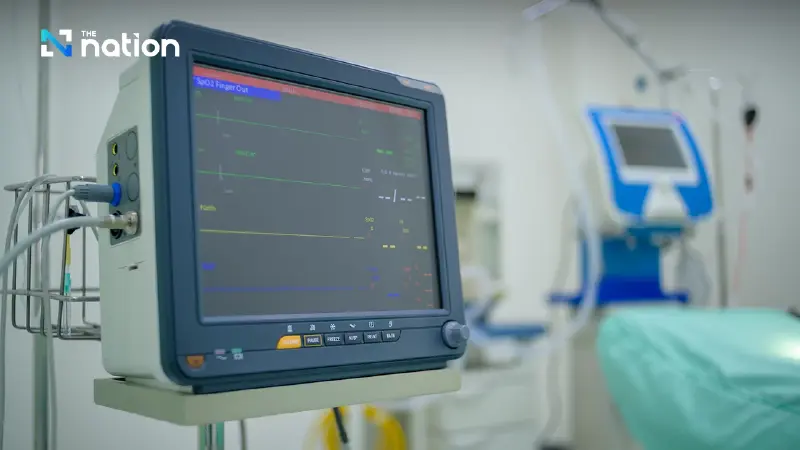


Thailand warns of looming medical supply shortages by July as oil costs surge, raw materials tighten and manufacturers call for urgent policy support
- A potential shortage of essential medical supplies is expected by July due to surging global energy prices, a 40% rise in transport costs, and soaring prices for raw materials like plastic resins.
- The problem is severely worsened by supply chain disruptions, particularly China's restriction of key chemical feedstock exports to only 20-30% of normal volumes.
- Thai manufacturers are being squeezed by the government's fixed-price procurement system, which prevents them from passing on a 25% average increase in production costs, threatening company shutdowns.
- To prevent hospital stockpiling and manage the shortage, producers may need to limit deliveries to 50% of orders to ensure fair distribution among healthcare facilities.
Thailand’s medical device industry has warned that essential hospital supplies could begin running short as early as July, as global energy volatility, rising transport costs and tighter chemical exports from China push manufacturers into a deepening cost crisis.
Jarudech Kunadilok, Chairman of MEDIC and chairman of the advisory board and committee of the medical device manufacturers’ industry group under the Federation of Thai Industries, said the continuing energy crisis in the Middle East was creating a domino effect across medical device production.
He said the impact was being felt through sharply higher logistics costs and rising prices for upstream raw materials used in products ranging from syringes to saline tubes.
Freight and transport costs have already risen by about 40%, while urgent shipments can cost up to three times more than usual, he said.

At the same time, prices of polyolefin feedstock used to produce plastic resins and polymers for most medical devices have surged. Jarudech warned that a severe raw material shortage could emerge by July.
He said plastic resin prices had jumped by 50% in the latest delivery cycle and were likely to rise by another 40-50% in each future order round. This has pushed average production costs up by around 25%, a level operators can no longer absorb.
Suppliers have also begun limiting raw material allocations, preventing Thai manufacturers from ordering enough stock to maintain production. Jarudech said the situation had left local producers “unable to breathe” commercially, especially after China restricted exports of key chemical feedstock to only 20-30% of normal order volumes.
He said manufacturers were also being squeezed by the government’s annual fixed-price procurement system, which lacks a mechanism to adjust prices in line with real-time costs. As a result, companies are effectively absorbing losses on behalf of the state.
Without a review of benchmark prices, many operators could reach breaking point and may be forced to shut down by September or October, he warned.
To survive and prevent hospital stockpiling, producers may need to limit deliveries to 50% of orders to ensure supplies are distributed fairly to more than 5,000 hospitals and healthcare facilities nationwide, including 1,700 large hospitals and local health stations.
Jarudech said short-term risk management should begin with delivery quotas, as some hospitals have already increased stockpiling. He urged priority delivery for operating theatres and emergency rooms, cooperation from hospitals to reduce long-term stockholding, and temporary price stability for as long as possible to minimise the impact on patients.
He called on the government to shift quickly from regulator to supporter. The Customs Department and Food and Drug Administration should open Fast Track channels for urgent raw material imports, while the FDA should certify genuine medical device manufacturers to reduce duplicated paperwork and temporarily ease full-scale inspections.
He also urged the Public Health Ministry to prepare an urgent roadmap and feedback channel to monitor shortages at operational level, while adjusting procurement rules to reflect real costs more flexibly.
The Industry Ministry and Department of Industrial Promotion should set up a special expert team to inspect and improve production efficiency, reduce losses in the manufacturing process, and approve cost-reduction support without waiting for the October budget cycle, he said.
Jarudech added that Thailand must accelerate domestic production to replace Chinese products that are becoming scarce and price-volatile, while improving efficiency to keep prices commercially viable and competitive.
With government mechanisms constrained by time, he said private manufacturers must also overhaul logistics through a “shared logistics” model.
At present, suppliers deliver medical devices and products to public hospitals separately, driving up transport costs. Jarudech said a centralised system could allow several firms delivering to hospitals in the same province to combine shipments in one vehicle, spreading fixed costs and reducing the impact of higher fuel prices.
He said the government should act as the central coordinator for such a system, as medical devices are not just commercial products but life-saving supplies.
