
Thailand vows action after amnesty report on scam operations in Cambodia
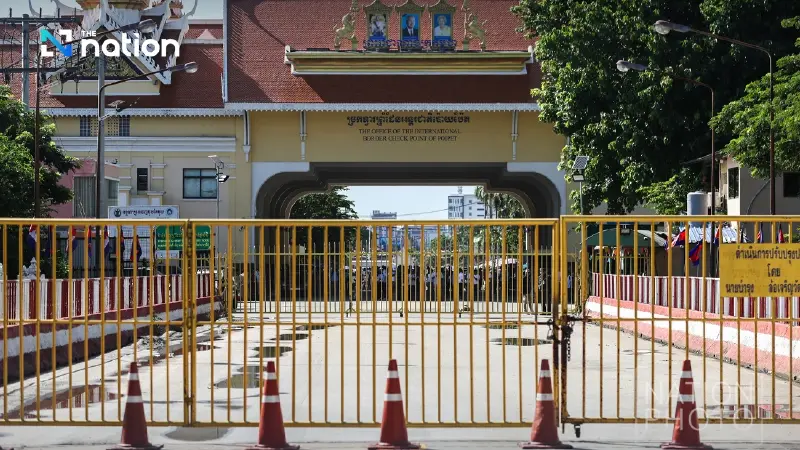


Government says scam compounds across the border pose a threat to Thai national security and pledges coordinated international action
The Thai government has voiced concern following the release of a new Amnesty International report detailing systematic human rights violations in scam compounds operating across Cambodia, including forced labour, human trafficking, and torture.
Government spokesperson Jirayu Huangsab said Thursday that Prime Minister Paetongtarn Shinawatra takes the findings “very seriously” and has instructed all relevant agencies to continue cracking down on cross-border organised crime, particularly those targeting Thais and foreign nationals.
Amnesty’s report, published on 26 June, revealed that at least 53 scam centres operate across Cambodia—many of them converted from disused hotels and casinos—and are involved in large-scale online fraud operations.
According to the report, victims, lured by fake job ads on social media, are often from Thailand, China, Malaysia, Vietnam, Indonesia, Bangladesh, Taiwan, Ethiopia, and other countries. Upon arrival, they are reportedly stripped of their passports, detained, and forced to carry out online scams under threat of violence.
Amnesty also found evidence linking the centres to transnational criminal networks with ties to Cambodian officials. The report accused Cambodian authorities of turning a blind eye—or in some cases, facilitating—the abuse.
“Thailand considers these scam operations and human trafficking networks in neighbouring countries a serious threat to both national security and economic stability,” Jirayu said.
The Prime Minister has prioritised suppressing cross-border crime since late last year, he added.
He cited government operations along both western and eastern borders.
In the west, near Myanmar, Thai authorities have cut power, water, and internet access to suspected centres and tightened border controls. Thousands of people working in scam compounds were repatriated, with some foreign governments sending aircraft to retrieve citizens via Mae Sot Airport, he said.
“The government is working with international partners and agencies to disrupt human trafficking and the cross-border cybercrime networks that exploit legal loopholes and human vulnerability,” Jirayu said.
Earlier this week, Paetongtarn announced new measures to address scam operations in Cambodia, amid ongoing tensions over a contentious border dispute between the two ASEAN countries.
