
Thai Deputy Interior Minister reassures parliament on government’s commitment to aiding war-affected citizens
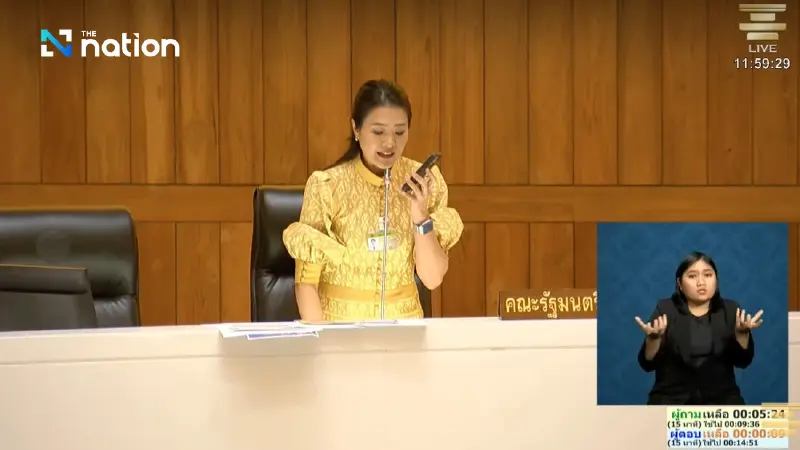


The Deputy Interior Minister assures parliament that the government is actively helping citizens affected by the Thai-Cambodia border conflict and has provided financial support.
Deputy Interior Minister Theerarat Samrejvanich on Thursday responded to questions during a parliament session regarding government assistance for citizens affected by the ongoing conflict along the Thai-Cambodian border.
Thana Kitpaiboonchai, MP for Si Sa Ket from the Bhumjaithai Party, raised concerns about the lack of funding from the central government for the four border provinces—Si Sa Ket, Surin, Buriram, and Ubon Ratchathani. He stated that no central funds had been allocated for relief efforts, forcing local authorities to rely on donations and local government budgets.
In response, Theerarat confirmed that a contingency fund of 100 million baht had been approved for such emergencies and was available for disbursement. However, Thana countered that the governor of Ubon Ratchathani had informed him that the fund could not be accessed, citing procedural and legal obstacles, while the governors of Si Sa Ket and Buriram assured that they were doing their best to help the affected populations.
To address this, Theerarat used her personal phone to contact Adisak Noisuwan, the governor of Ubon Ratchathani, who confirmed that the fund could indeed be accessed for the relief effort and that food supplies had been donated, including royal gifts.
Theerarat emphasised that the government had been working tirelessly and that it was vital for parliament to recognise the ongoing efforts to support the people in affected areas. She reiterated that the government was not complacent, stressing that the public needed to understand the actions being taken.
She also added, “The government is committed to peace. While we are prepared with military resources, we are not the ones to start shooting. The goal is to maintain peace, and we will use all diplomatic channels to preserve Thailand’s interests on the global stage.”
In closing, Theerarat urged for unity, stating, “We must work together, whether in opposition or government, to support the Thai people and avoid unnecessary escalation and misunderstandings.”
Thana responded that he had no bias, simply asking questions on behalf of the public, who were unaware of the government's actions, and criticised the slow response, urging the ruling coalition to recognise the people's concerns ahead of the upcoming election.
