
Pheu Thai: coalition talks should wait until EC clears vote-rigging claims



Pheu Thai said it has not been approached for coalition talks and urged the Election Commission to address alleged vote-count irregularities first, citing complaints ranging from “jumping ballots” to suspected vote-buying and calls for recounts to restore public confidence.
The Pheu Thai Party, which is running second in the unofficial election tally, said on Tuesday it has not been invited to join a coalition government, but argued that government formation should wait until the Election Commission (EC) addresses public concerns over alleged irregularities and restores confidence in the election process.
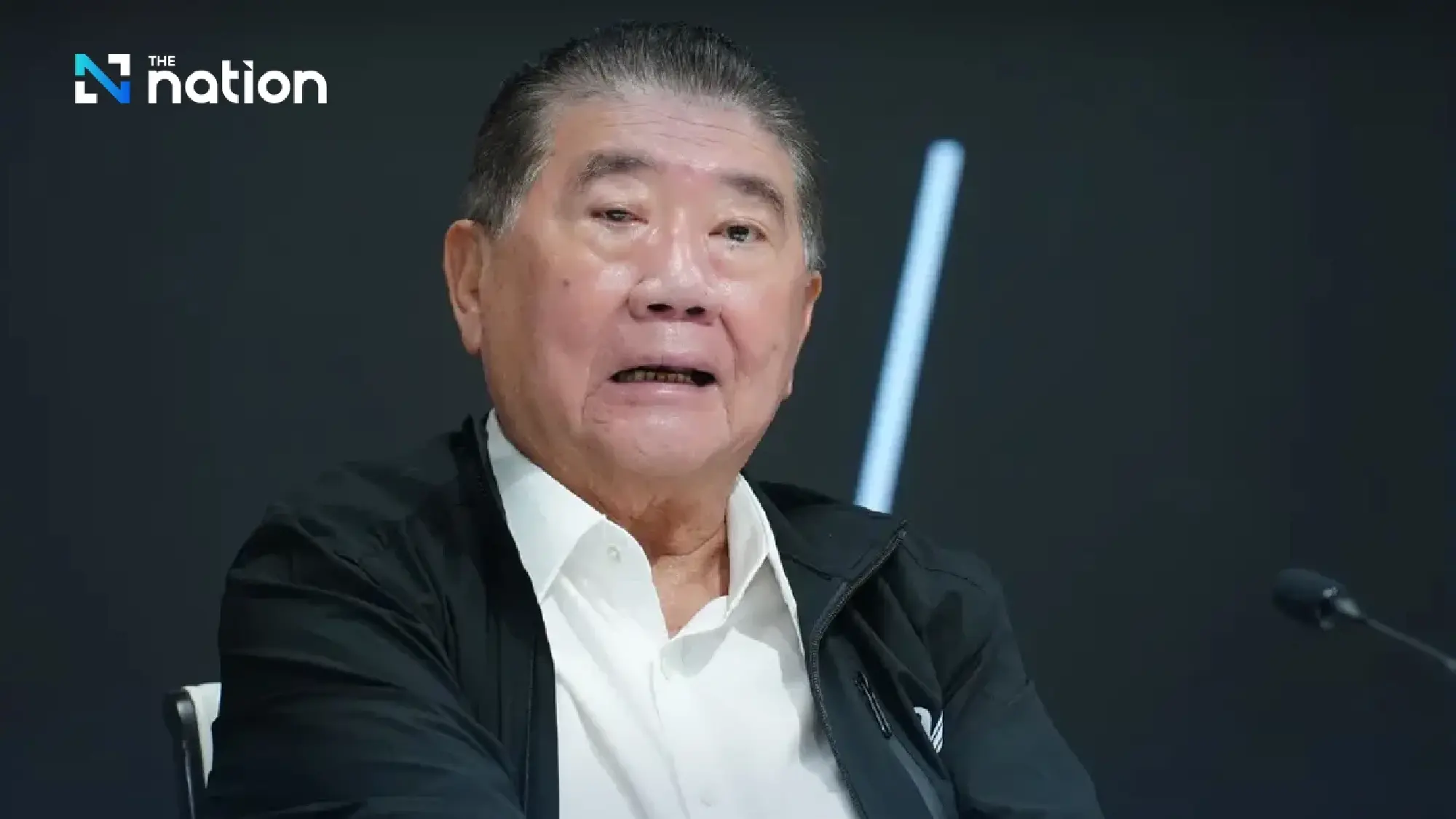
The party made the remarks at a press conference at its headquarters, led by Julapun Amarnvivat (party leader and prime ministerial candidate), alongside Phumtham Wechayachai (senior party figure and party-list MP candidate) and Krit Euewong (legal affairs representative and party-list MP candidate).
No coalition invitation yet, Julapun says
Julapun said the Bhumjaithai Party—seen as the election frontrunner in the unofficial count—had not contacted Pheu Thai to discuss coalition formation.

He noted that the outcome could still change because vote counting was not yet complete and the EC had not endorsed official results. If an invitation comes, he said, the party’s executive board would decide whether to accept it.
Phumtham: focus on election integrity before government maths
Phumtham said coalition formation should not only wait for the EC to announce official results, but also for the EC to resolve allegations of widespread irregularities.
“We don’t want people focusing on how a government will be formed. We want them to focus on whether this election was clean and fair—whether we can accept what has happened—and to take into account how the public is feeling right now,” he said.
“Don’t ask yet who will team up with whom. Ask whether the election process that has unfolded is appropriate, and how the Election Commission will be held accountable. Many complaints have already been filed, yet the EC has stayed silent—what should be done about that? I want the media to follow this closely. We have been clear about this for a long time: everything must first settle down and become clear, then we can talk,” he added.

Pheu Thai lists complaints: money politics, state interference and “jumping ballots”
Julapun said the party had received complaints from members of the public, election observers and Pheu Thai candidates in several areas about the integrity and transparency of vote counting. He said the party was compiling facts and verifying information across all constituencies, insisting its actions were grounded in evidence and the law.
Alleged vote-buying and unusual cash movements
Julapun said there were reports of unusual financial movements in some areas. He urged the EC to clarify whether it had coordinated with relevant agencies and examined unusual cash withdrawals flagged by the Bank of Thailand, and whether it was tracing financial flows that may be linked to election-law violations.
He also called on the EC to expedite cases where there is physical evidence, such as cash, lists of names and identified individuals—saying Pheu Thai had already obtained evidence and initiated legal action in some cases.
Alleged misuse of state power
Julapun said the party had received multiple complaints alleging interference or pressure in the election process through local officials, the military, police, or administrative authorities, and called for a straightforward investigation.
Counting transparency and ballot disputes
He said other complaints included vote counts that were not open or transparent; “jumping ballots” where totals exceed the number of voters; ballots mistakenly torn by officials; disputes involving recounts after initial counting; sudden swings from defeat to victory; and disagreements over the classification of valid and invalid ballots. He said these issues undermine public confidence in elections and democracy.
Call for transparency, recounts and a clear response process
“Our goal is clarity and fairness, not conflict,” Julapun said, calling on the EC to investigate complaints transparently, disclose information to the public and establish a clear process for responding to complaints—such as recount requests in multiple areas—to ease tensions.
He argued that if the process is genuinely clean and fair, recounts should not change the overall result, and responding to public concerns would help reassure voters.
Julapun said the party’s election-fraud tip-off centre would continue compiling reports and pursuing matters strictly, urging the public to submit leads so the party can follow up and take legal steps to protect every vote.
