
EC orders two-day probe into Chon Buri recount dispute, defends ballot-box process
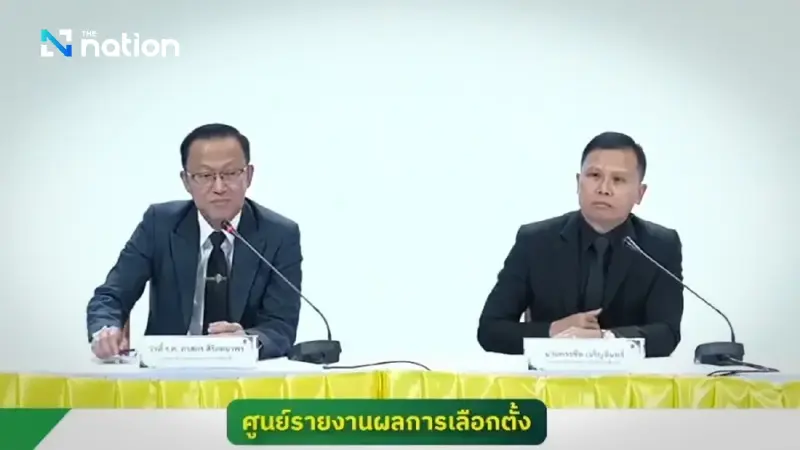


Thailand’s Election Commission says recounts can only be ordered under strict legal conditions, and has sent investigators to Chon Buri Constituency 1 to establish facts within two days after protests and online claims fuelled suspicions. The EC also clarified its ballot-box “consolidation” procedure, insisted polling-station results cannot be altered once posted, and said it is reviewing a Pathum Thani recount allegedly conducted without an EC resolution.
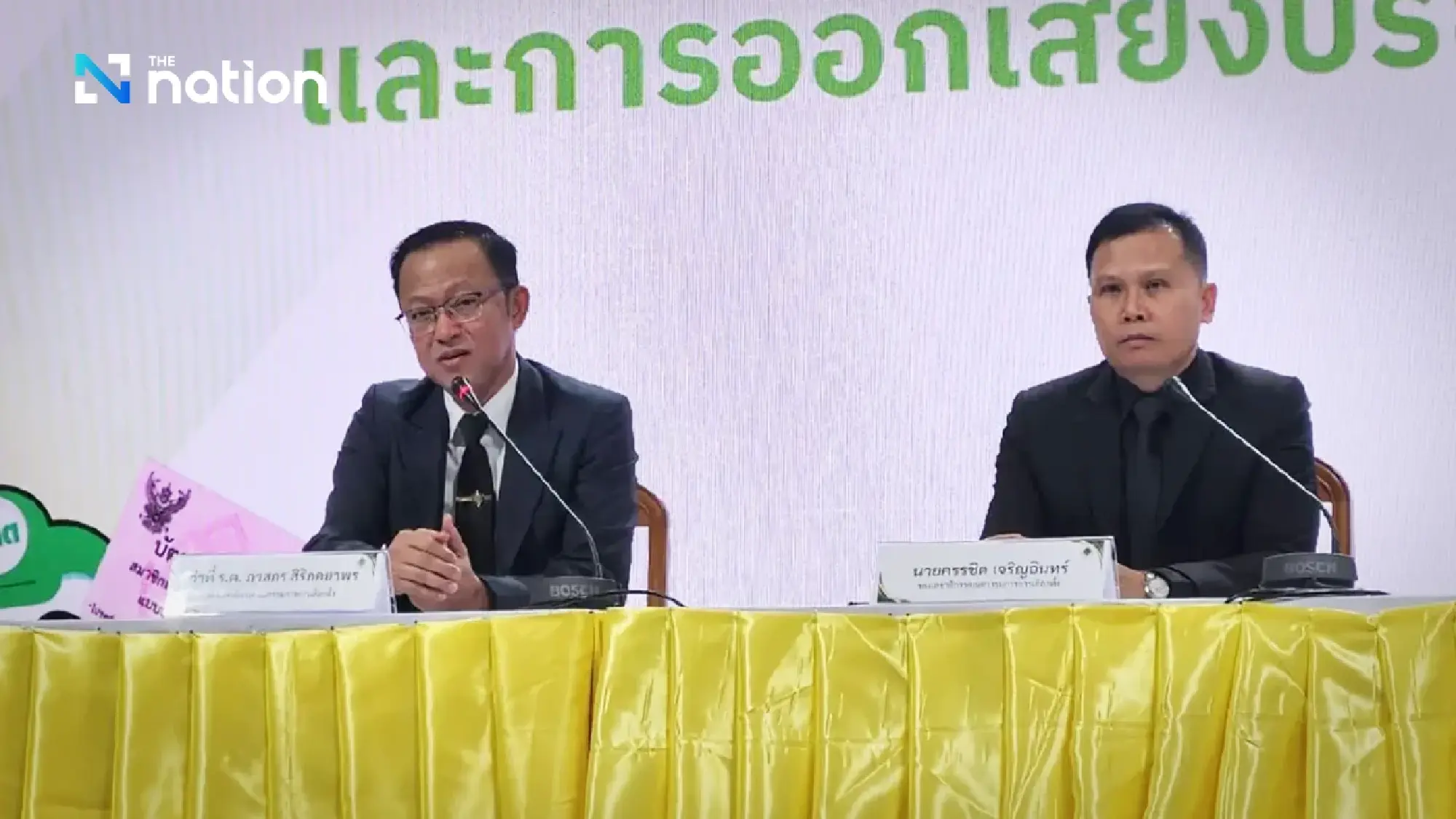
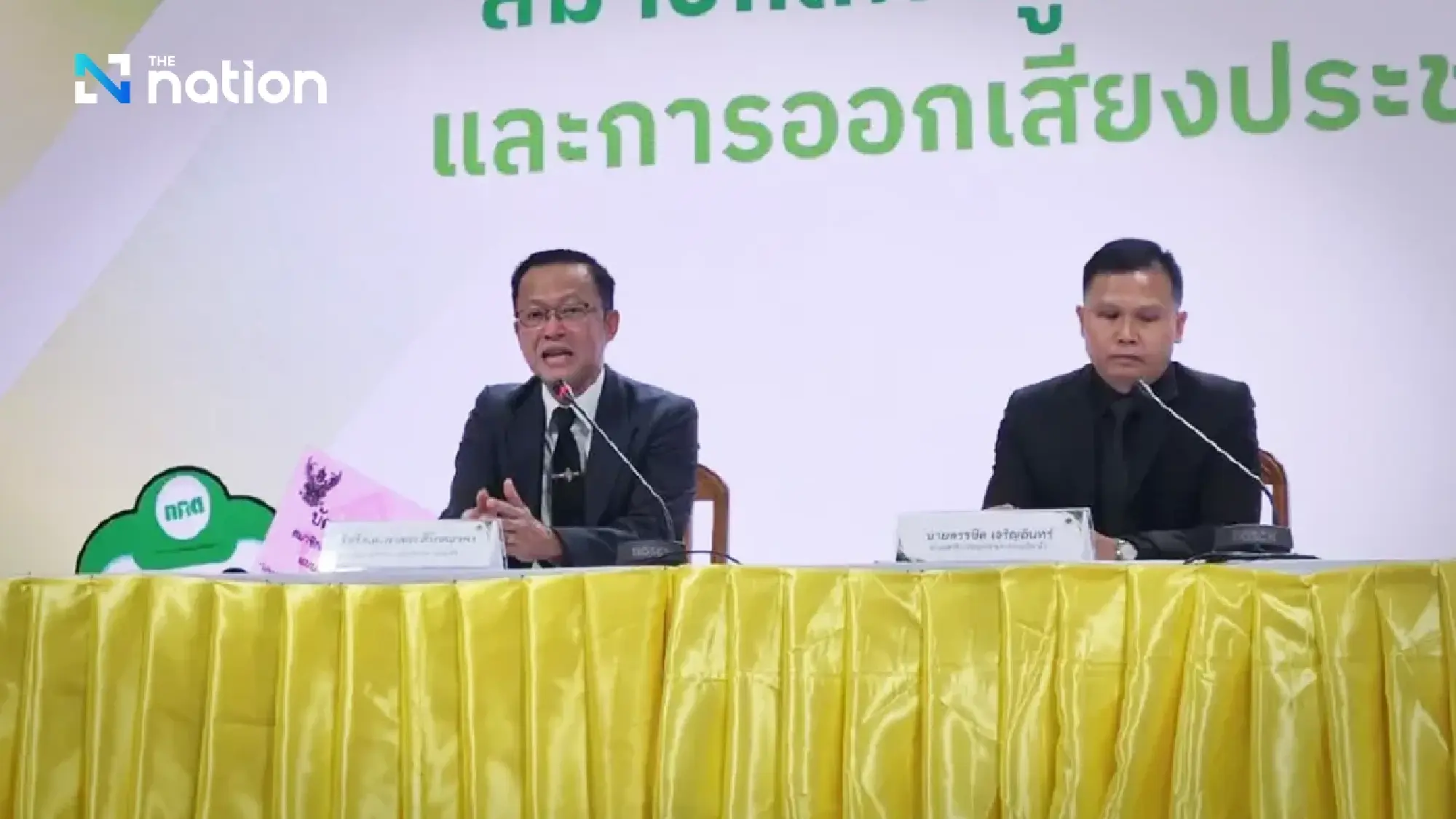
The Election Commission on Tuesday said it had ordered a two-day fact-finding probe into the Chon Buri Constituency 1 recount dispute, as two deputy secretary-generals, Acting Sub Lt Phasakorn Siriphakyaporn and Kharachit Charoen-in, briefed the media on complaints surrounding the House election and the referendum.
At 2.00pm on February 10, 2026, at the Election Commission (EC) Office, Acting Sub Lt Phasakorn Siriphakyaporn, Deputy Secretary-General of the EC, and Kharachit Charoen-in, Deputy Secretary-General of the EC, held a press briefing on the House election and the referendum at the EC’s operations centre.
Recount requests are a right — but must meet legal criteria
Phasakorn said calls for a recount in Chon Buri Constituency 1 were an individual right, but warned misunderstandings in some provinces had led to confusion.

He said the law sets out clear grounds for a recount or re-vote, including:
- Mismatch between turnout and ballots (when the number of voters does not match the number of ballots), which requires the EC to establish facts and consider whether a new election is warranted; and
- Improper election or counting procedures, such as an incorrect count, which can allow the EC to order a recount or fresh voting, in line with formal process.
Objections must be logged as key evidence
Phasakorn said that if voters or the public believe there has been an error during counting or aggregation, the proper step is for polling officials to record the objection, including the time and details of the dispute.
He compared the record to a police daily log, saying it is crucial evidence for the EC when considering petitions for a recount or a new vote. Without such grounds and evidence, he said, recount demands cannot be made “at will”.

Chon Buri case: EC explains “ballot-box consolidation”
Phasakorn said the Chon Buri incident involved misunderstanding over a procedure known as ballot-box consolidation.
He explained that:
- Voting and counting are completed at each polling station;
- Each station posts results publicly on forms known as Sor Sor 5/18 and Sor Sor 5/18 Referendum 2;
- Results are then sent to the district tally centre and aggregated into the constituency total; and
- After totals are compiled, officials begin consolidation by combining ballot boxes into a single box for secure storage (e.g., police station, district office or other secure site), to be kept until the objection period ends — which he said is two years.
Why boxes appeared untied or sealed with tape
Phasakorn said confusion arose while officials were preparing to transport consolidated boxes from Chon Buri Constituency 1 to a secure storage location.
Some questioned why certain boxes were not yet fitted with cable ties or appeared untidy. He said staff were still mid-process: some boxes had not been tied yet, but were sealed around the edges with adhesive tape, making it impossible for anyone to open them.
On “tally sheets in a bin” and documents seen online
Responding to claims that marked vote-count sheets were circulated, Phasakorn said that during consolidation, some polling stations may not have folded the marked forms and placed them inside the ballot box.
In such cases, he said, the constituency EC office gathers stray documents and places them into the box for secure storage, in the same manner as ballots.
He stressed that changing results at that stage would be impossible because the polling-station results have already been posted publicly at each unit, and can be checked.

Two-day fact-finding ordered for Chon Buri, province-wide review requested
Phasakorn said the EC could not order an immediate recount in Chon Buri because it must first establish facts under the legal process.
He said the EC assigned its deputy secretary-general to investigate whether there were objections, legal violations or other issues, with findings to be completed within two days. He said the Chon Buri provincial EC director was also instructed to report the overall provincial picture so the EC can assess whether there are broader irregularities and decide—within legal conditions—whether to delay announcing results, order a re-vote, or order a recount.
If wrongdoing is confirmed, Phasakorn said the EC would proceed under Section 124 of the organic law on House elections, which may allow for a recount or a fresh vote.
Mahasarakham: consolidation error, not polling-station figures
Phasakorn cited Maha Sarakham as an example where a discrepancy did not stem from polling-station results. He said each station’s posted results were consistent, but an error occurred during consolidation for the district-level display. A missing polling station was later identified and totals corrected.
He said no one could change the real polling-station results because they had already been posted publicly.
Pathum Thani: EC disputes claims of major result swings
On Pathum Thani, Phasakorn said social media claims that a recount dramatically flipped winners were not true.
He said the overall results did not change, and any differences were limited to one or two votes, typically linked to decisions on whether ballots were valid or invalid.
Unofficial results can be corrected; official results are Sor Sor 6/1
Phasakorn said unofficial reporting is designed for speed, with polling stations submitting figures based on the publicly posted Sor Sor 5/18 forms. He said no one can alter those posted results.
Mistakes can occur when figures are keyed into the system, he said, and district committees must cross-check with polling officials. The most authoritative outcome is the official result announcement, known as Sor Sor 6/1, which is verified and signed by constituency election officials.
Kharachit: only the EC can order recounts
Kharachit said the public should understand the division of authority between polling-station committees and the EC. After polling officials finish counting, they re-check turnout against ballots used; once boxes are sealed, the polling station’s authority ends.
He said a ballot box can only be reopened if there is a complaint and investigation, or if the EC itself identifies a problem. The EC’s central investigation team has been ordered to examine the Chon Buri case and complete fact-finding within two days, with decisions based strictly on evidence regardless of political affiliation.
Pathum Thani recount without EC resolution under review
Asked why Pathum Thani could recount while Chon Buri could not, Phasakorn said recounts must be ordered by the EC only. He said Pathum Thani’s recount is now being reviewed because it may have bypassed the required EC resolution.
How citizens can trigger EC scrutiny
Kharachit said there are two channels:
- File a petition with evidence, and
- EC-initiated review when irregularities become apparent.
He added that while the law generally requires objections related to counting to be filed before the end of counting or voting, the EC can still take up issues on its own initiative if problems become evident.
EC urges caution over social media narratives
Phasakorn urged the public to be careful when consuming social media claims, noting that a consolidation site would naturally contain remnants such as cut cable ties and other equipment.
He said the election involved 57 political parties, more than 100,000 polling stations, and a large workforce operating under legal constraints. He said the EC office would compile observations for consideration and insisted processes must be viewed with neutrality.
Phayao allegation: ballots prepared but not inserted into the box
On Phayao, Phasakorn said officials tore ballots into two sets of seven as part of preparations, but the ballots had not been inserted into the box. Another official noticed, the person involved was detained and handed to investigators, and legal proceedings are continuing.
113 complaints filed nationwide
Kharachit said there were 113 complaints overall. On Chon Buri, he said the EC had already been responding since the previous night, with a deputy secretary-general travelling to the site late at night and later reporting developments, prompting further discussion the next morning.
Message to the public: dissatisfaction alone is not grounds for a recount
Phasakorn said recounts cannot be ordered simply because people are unhappy. Complaints must identify what went wrong, where it happened, whether objections were raised at the time, and provide supporting evidence. He said the EC would give fairness to all sides and consider every case that enters the process.
