
New Adventure in Chaiyaphum: a 9km Trek to Thailand’s Highest Khmer Temple
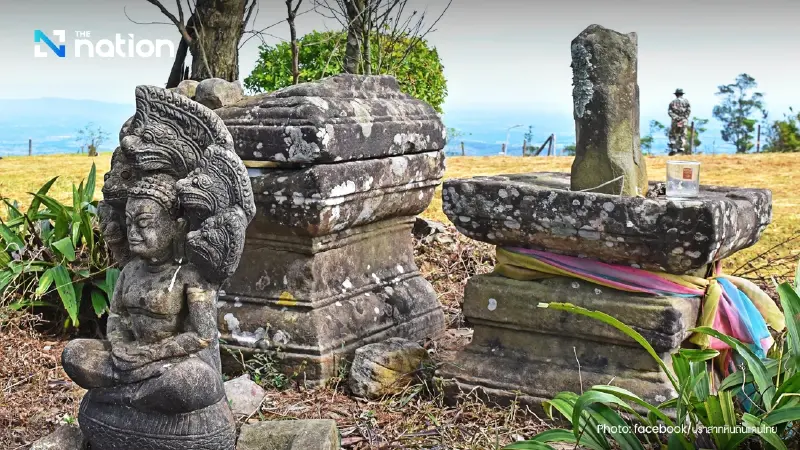


Tat Ton National Park in Chaiyaphum is surveying a 9km long-distance trail to Prasat Phu Khong—Thailand’s highest Khmer temple at 943m—promising caves, strange rock forms and pristine forest.
There are temples that sit in cities, temples that stand beside rivers, and temples that appear like mirages in the jungle. Then there is Prasat Phu Khong—a Khmer sanctuary perched so high it feels closer to the sky than the road.
Thailand’s Department of National Parks, Wildlife and Plant Conservation (DNP) has provided an upbeat update for hikers and history lovers: officials at Tat Ton National Park, Chaiyaphum, have been surveying a potential new long-distance trekking route to this rarely seen archaeological site, with the aim of developing it into a future attraction.

A trail that climbs into history
The proposed route is a 9-kilometre trek beginning at Huai Laeng Forest and rising towards the summit of Phu Khong Mountain. The latest field survey was led by Chatwarun Angkaew, assistant chief of Tat Ton National Park, as part of preparations to assess the area’s potential and readiness before it is developed into an official long-distance hiking trail.
For walkers, this isn’t just a climb. It’s a corridor through landscapes that still feel untouched: mysterious hidden caves, oddly shaped rock formations, rare plant species, and lush “green zones” described as pristine and abundant. It’s the sort of route that rewards patience—one of those hikes where the forest keeps changing the conversation.

The prize at 943 metres
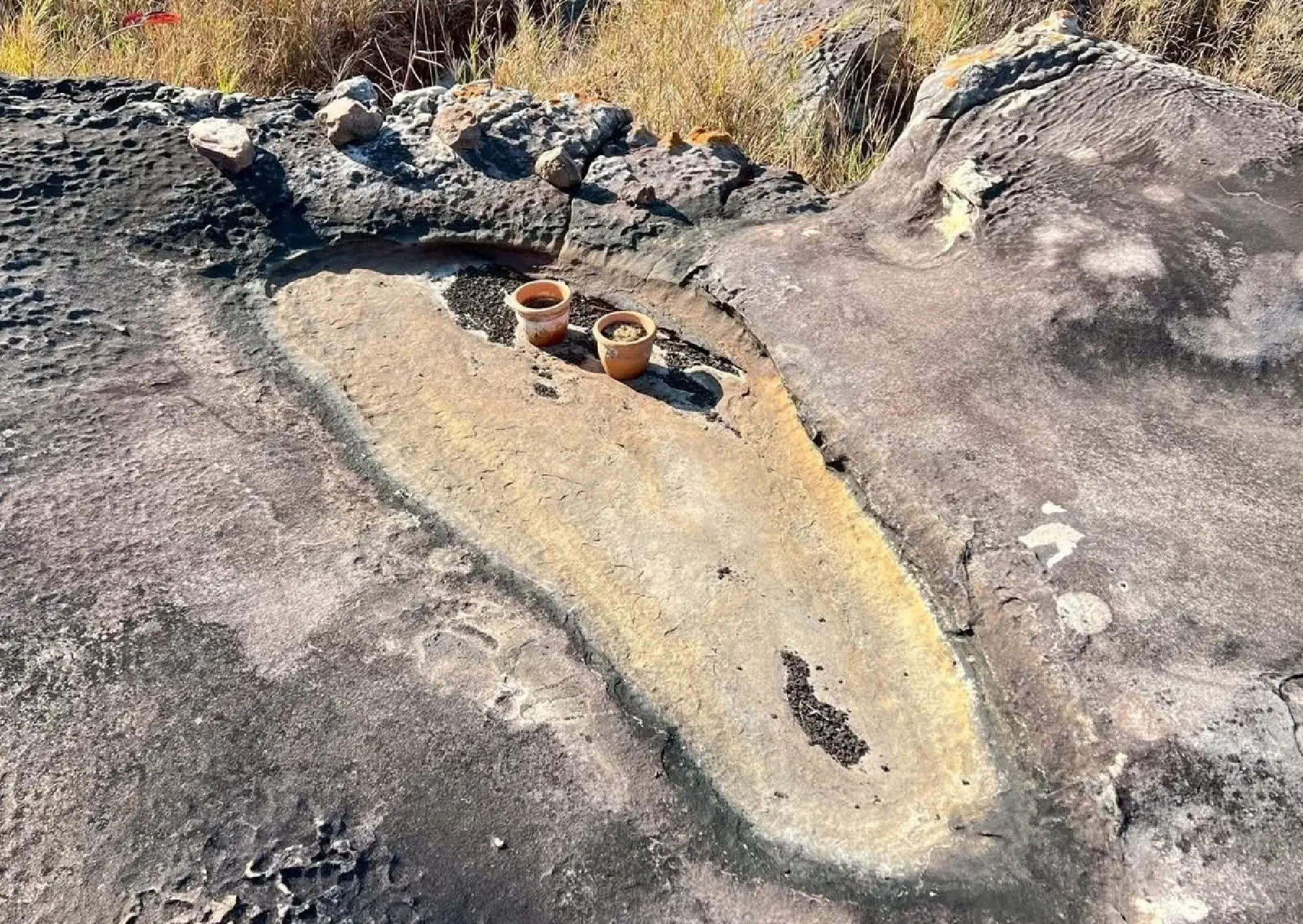
At the top, the story turns from natural spectacle to ancient devotion. Prasat Phu Khong sits at roughly 943-946 metres above sea level and is widely regarded as the highest-situated Khmer temple in Thailand. The site contains remains associated with the worship of Shiva, including a sacred Shiva Lingam, alongside other ruins that hint at an older, ritual world.
For context, Thailand’s second-highest Khmer temple site is Phra That Phu Phek stone sanctuary in Sakon Nakhon, at about 520 metres—a reminder of just how dramatically elevated Phu Khong is.
Why Khmer temples are in Thailand’s territory
Many of Thailand’s ancient stone temples reflect the reach of Khmer political and cultural influence, particularly during the 9th-13th centuries (c. AD 800–1300). Built largely as Hindu (Brahmanical) religious sites—and later, in some cases, shaped by Buddhist traditions—these monuments emerged in an era when power, trade routes and royal networks flowed across mainland Southeast Asia. People, goods and ideas moved through connected landscapes that today span Cambodia, Thailand, Laos and Vietnam, and temple construction followed those historical spheres of influence rather than the fixed national boundaries we recognise now.

In Thailand, Khmer-style sanctuaries are concentrated in the lower Northeast (Isaan), especially across the Khorat Plateau, where the Khmer state established roads, settlements and religious centres. The temples were typically built in Khmer artistic styles using brick, sandstone and laterite, and many were positioned along ancient routes linking regional centres.
Thailand has 155 recorded Khmer temple sites, all located within Thailand’s internationally recognised territory today. They are documented across seven provinces: Nakhon Ratchasima (37), Buri Ram (50), Surin (31), Chaiyaphum (6), Roi Et (14), Si Sa Ket (11), and Ubon Ratchathani (6).
Many have been damaged over time and survive only in fragments, making places like Prasat Phu Khong—remote, elevated, and quietly enduring—feel even more precious.

A new kind of ‘Unseen’
If Tat Ton’s survey becomes a full trail, it could offer something Thailand does brilliantly when it wants to: a journey that blends nature, adventure and heritage into a single walk. Pack good boots, respect the forest, and keep your eyes open—because this is not just a trek to a viewpoint. It’s a climb to an ancient altar in the sky.
SOURCE: www.thailand.go.th
