
People’s Party to launch shadow cabinet, name candidates by July
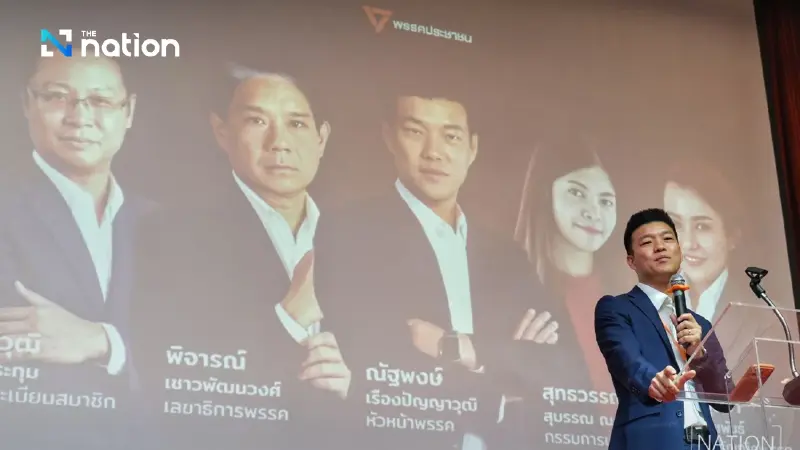


Natthaphong Ruengpanyawut says the People’s Party will launch a shadow cabinet, drive parliamentary scrutiny and name election candidates by July.
The People’s Party has announced plans to launch a shadow cabinet and finalise election candidates by July, as party leader Natthaphong Ruengpanyawut vowed to sharpen the party’s role in scrutinising the government and preparing for future elections.
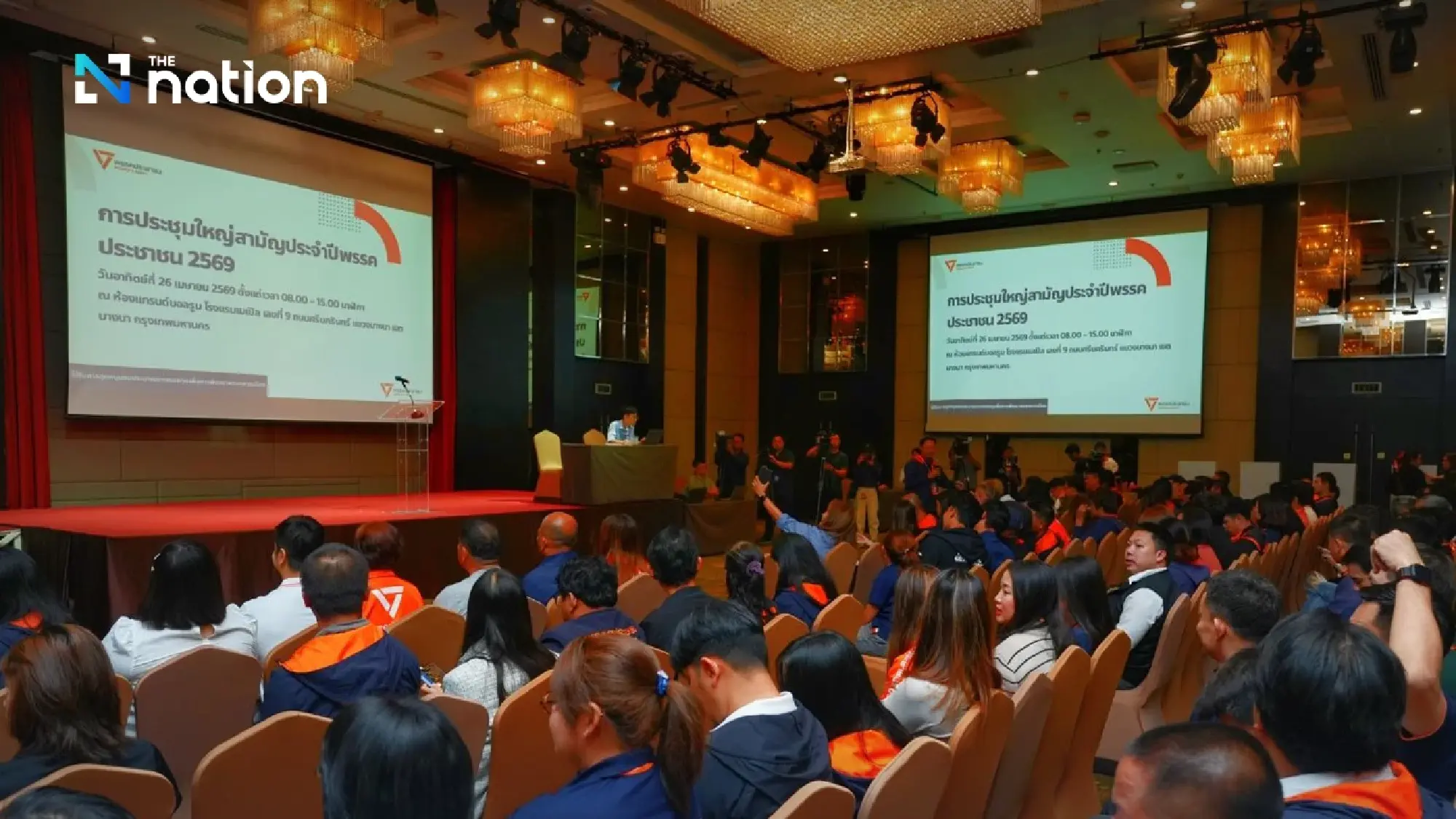
Speaking at the party’s first annual general meeting of 2026 at Maple Hotel Bang Na in Bangkok, Natthaphong said the party would pursue four major goals this year: forming a shadow cabinet, driving work through nine parliamentary committees, accelerating constituency-level organisation and contesting local elections more seriously.
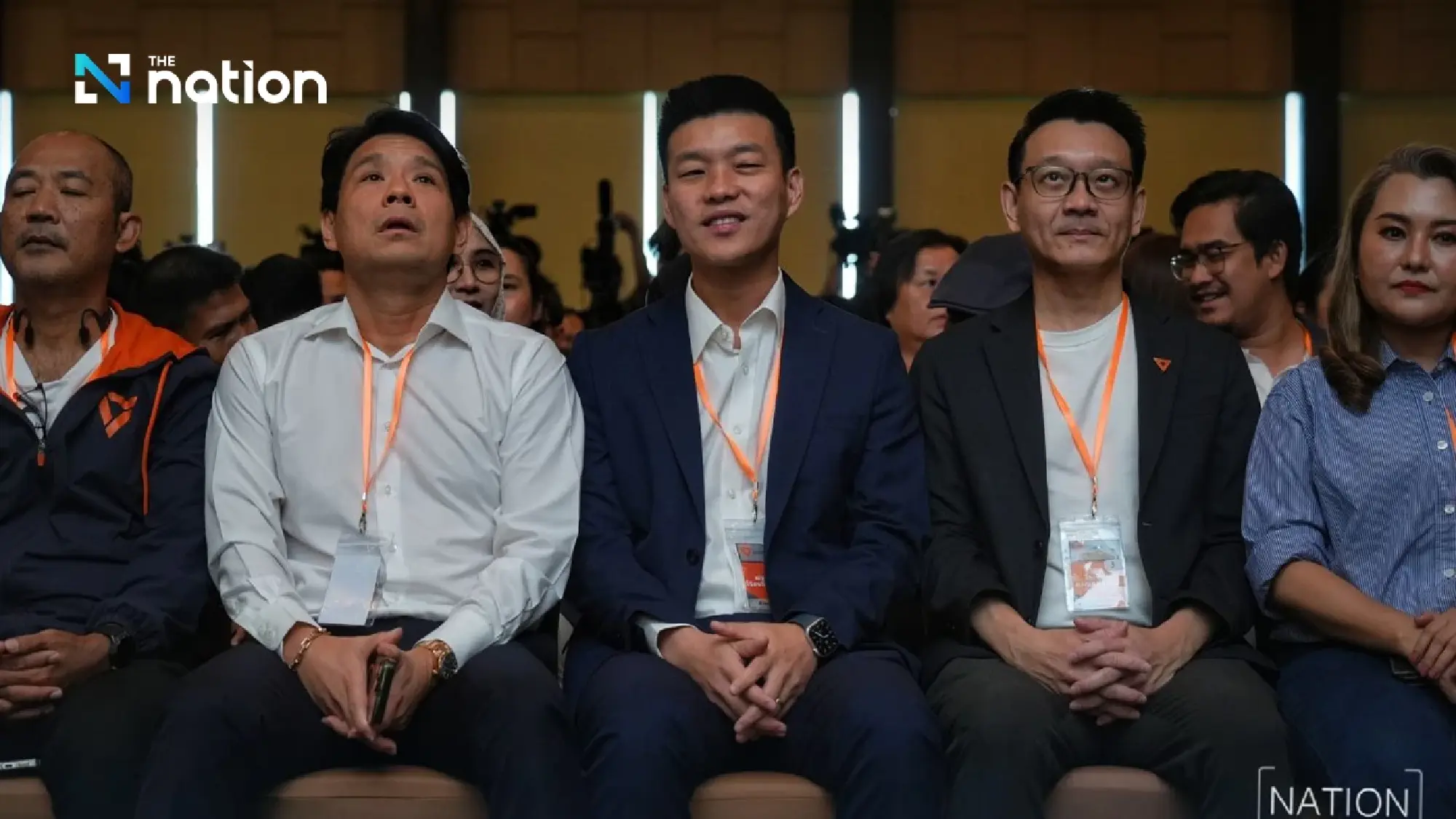
The meeting was attended by key party figures, including Sirikanya Tansakun, party-list MP and deputy party leader; Veerayooth Kanchoochat, party-list MP and deputy party leader; Nattawut Buaprathum, party-list MP and party registrar; Sarayut Jailak, former party secretary-general; and Parit Wacharasindhu, party-list MP and party spokesman.

Shadow cabinet to scrutinise government
Natthaphong said the first major task was to prepare the launch of a shadow cabinet that would monitor the government’s work and offer policy recommendations.
He said the party would also move forward through nine parliamentary committees, praising the negotiation team for securing committee positions that would allow the party to push key issues in the House of Representatives.
The move signals a sharper opposition strategy as the People’s Party seeks to present itself not only as a critic of the government but also as a party ready with alternative policy proposals.

Candidates to be finalised by July
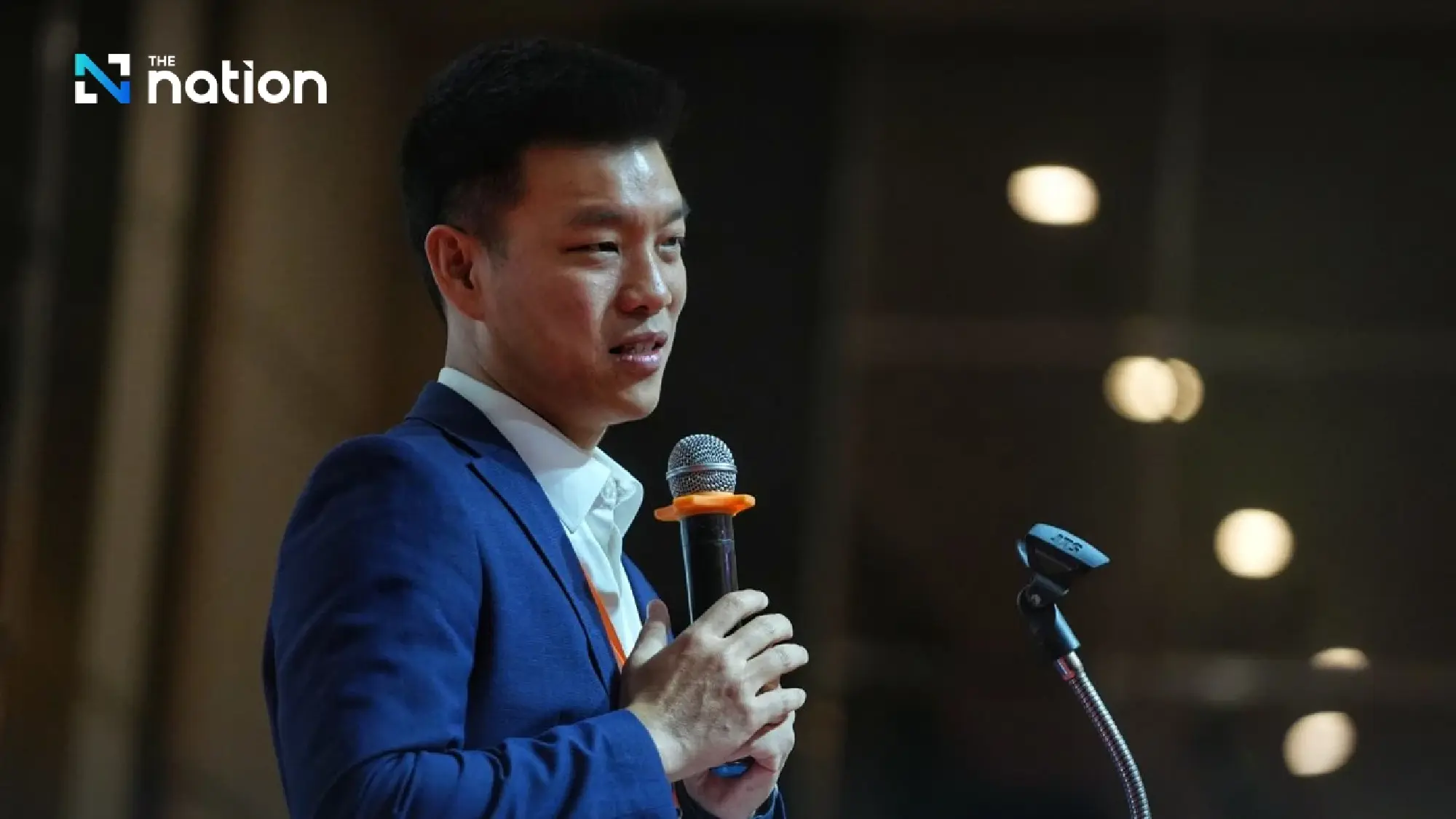
Natthaphong said the party had set up a team to work on its area-based strategy, with the clear goal of winning future elections.
He said the party aimed to finalise its candidates by July so they could begin working in constituencies, present policies to voters and build political understanding in local communities.
On questions over candidate qualifications, Natthaphong said selecting candidates early would also give the public more time to scrutinise them.
The party will also move ahead seriously in local elections. Natthaphong said the “Lamphun model” had shown that local political change could lead to change at the national level.
He added that, apart from Pattaya and Bangkok, the party expected its Bangkok team, including candidates for Bangkok governor and Bangkok councillors, to become a strong alternative for voters by early July.

Party vows to combine ideas with ground work
Natthaphong said the party had spent the previous two days holding internal seminars, not only to discuss problems within the party but also to reflect on the problems and future of the country.
He said the central question was how to make the People’s Party “a vehicle” for creating real change and building a better society.
The party, he said, had now reached greater clarity in three areas: personnel, party work and the major obstacles facing the country.
Natthaphong said society had previously asked whether the People’s Party would remain a trend-driven party or adapt itself to focus more deeply on ground-level political work.
“Change cannot happen by choosing only one path. We must choose both, and do both as well as possible at the same time,” he said.
He said the party would intensify ideological work both inside and outside the party, while also strengthening its presence in communities.
“There has been a proposal from fellow members that ideological work must begin seriously, and that it must begin inside the party,” he said. “How can we work with the people on ideas if our own organisation does not yet share the same thoughts and beliefs?”
No politics of handouts, says Natthaphong
Natthaphong said ideological work alone would not create real change, adding that the party must also work intensively on the ground.
He said the party would establish community leaders in different areas to “plant the seeds of ideas” among the public and younger generations.
“Our ground work will never be the kind of politics that gives out goods or creates a sense of indebtedness among the people,” he said. “The people do not have to owe us anything as politicians. We must serve them.”
He said the party’s mass-organising work would focus on inviting people to become owners of issues and to help solve local problems together with the party.
Party targets patronage politics
Natthaphong said Thailand’s key obstacle was not external pressure, but weaknesses within its own political system.
He said if the country had a strong government and political system, a government without “grey areas”, and parliamentarians who were not improperly dominated by any particular group, people could still expect better outcomes no matter how severe external crises became.
Pointing to the recent energy crisis, he said those with connections to political clans or energy capital groups could gain faster access to resources than ordinary people.
“The important obstacle and enemy of the people in this country is not the immediate energy crisis, or future crises that may come crashing in. It is our own internal crisis,” Natthaphong said.
He said the party would focus on fighting patronage politics, large political factions, independent organisations, the Senate and a bureaucratic system that lacked transparency and was not linked to the people.
The party’s communication from now on, he said, must clearly identify the country’s main obstacle as a monopolistic power structure “eating away” at Thailand.
Phicharn proposed as new party secretary-general
During the meeting, Natthaphong proposed changes to the party executive committee after the resignation of Sarayut Jailak as party secretary-general.
Phicharn Chaowapatanawong was proposed to take up the role, while Suttawan Suban Na Ayudhya, a former Nakhon Pathom MP, was proposed as a member of the party executive committee.
Natthaphong will remain party leader, while other positions will remain unchanged.
Party urged to protect movement over individuals
Natthaphong ended by referring to remarks made by Veerayooth during the two days of discussions with party members.
He said all members of the party executive committee were ready to work fully to serve party members and the Thai people.
He said the country was now in an era of social media, where individuals could quickly rise to prominence. At the same time, he said, the party faced a daily fake-news war aimed at attacking it.
For the progressive movement to move forward with strength, Natthaphong said, the movement itself had to remain the priority.
He warned that it would be worrying if individuals became famous while the movement collapsed, but said he did not believe that would happen to the People’s Party if members preserved their spirit, party rules, discipline and proper conduct.
He said the party must maintain internal democracy through open discussion and collective reflection, while moving externally with unity and strength.
Natthaphong said he believed the party would be able to move towards real change.
