
Interior freezes local projects after opposition flags ‘catalogue’ and duplicate-budget claims
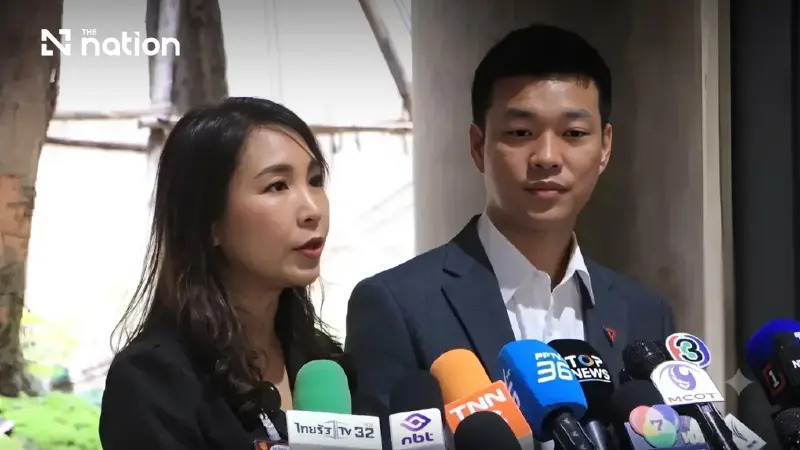


Interior Ministry has suspended local project submissions under the 400-billion-baht energy loan decree after opposition concerns over procurement and budget overlap
- The Interior Ministry has suspended the process for local administrative organisations to submit project proposals under the 400-billion-baht energy loan decree.
- This action follows scrutiny from the opposition party, which alleged that local authorities were being given a pre-determined "catalogue" of projects, raising concerns about procurement integrity.
- The opposition also raised the possibility that some proposed projects were already included in the draft 2027 national budget, creating a risk of double-funding.
Interior Ministry has ordered an immediate suspension of project proposals by local administrative organisations under the government’s 400-billion-baht energy loan decree, following opposition allegations of questionable procurement lists and possible duplication with the draft 2027 national budget.
The Department of Local Administration issued an “urgent” circular to every provincial governor on July 10, 2026, cancelling the previously announced process for preparing programmes and projects under the emergency decree authorising the Finance Ministry to borrow money to address the effects of the energy crisis and support the country’s energy transition.
The circular, numbered Mor Thor 0810.6/Wor 4199, was addressed to governors nationwide and specifically concerned project submissions by local administrative organisations.
It instructed them to cancel the earlier guidelines and stop preparing proposals immediately so that project planning would comply with the intention of the emergency decree.
The directive was signed by Boonprasit Nuansai, deputy director-general and acting director-general of the Department of Local Administration.
The department gave only a brief explanation, stating that the suspension was intended to ensure that proposed programmes were developed in accordance with the decree’s objectives.
Order follows opposition disclosure
The order came shortly after the opposition People’s Party presented documents that it said had been circulated to local administrative organisations.
People’s Party leader Natthaphong Ruengpanyawut and deputy leader Sirikanya Tansakun discussed the documents at a press conference held after they were informed of a Constitutional Court ruling.
Sirikanya described the documents as resembling a catalogue or menu of predetermined products and projects from which local authorities were being asked to choose.
The opposition questioned whether the arrangement could indicate that contractors or suppliers had already been identified or favoured before local authorities formally submitted their proposals.
The claims remain allegations raised by the opposition, and the report did not establish that any contractor had been selected improperly or that procurement offences had occurred.
Electric rubbish trucks and solar projects questioned
Projects identified in the documents included electric rubbish trucks, solar-powered sports grounds, solar-powered oxygen generators and rooftop solar installations.
The People’s Party questioned whether all the listed projects met the urgent purposes of borrowing under a decree designed to address the impact of an energy crisis and advance the energy transition.
The opposition also alleged that some of the proposed projects appeared in the draft Budget Expenditure Act for the 2027 fiscal year, which was being examined by a parliamentary committee.
It therefore raised the possibility that the same or similar projects could be financed twice—once through the annual national budget and again through borrowing under the 400-billion-baht decree.
No final finding of budget duplication was reported, and the allegations would require further examination of individual project proposals and budget allocations.
Ministry cancels earlier submission process
The Interior Ministry’s order does not necessarily cancel the entire 400-billion-baht borrowing programme or all government measures under the emergency decree.
Instead, it halts the specific process under which local administrative organisations had been instructed to prepare project proposals.
The circular requires the withdrawal of the earlier guidelines and the immediate suspension of submissions while the authorities reconsider how local projects should be developed in line with the decree.
The directive applies to local administrative organisations throughout the country and was distributed through all provincial governors.
The report did not specify whether revised criteria would be issued later, when local authorities might be allowed to submit new proposals, or whether the projects listed in the questioned documents would be removed permanently.
Opposition links issue to public-debt concerns
The opposition’s criticism also focused on the fiscal implications of using borrowed money for projects that may already be covered by the annual budget.
It argued that duplication or poorly targeted spending could unnecessarily increase the burden on public finances and add to Thailand’s public debt.
The People’s Party called for greater transparency over the selection, preparation and financing of projects under the emergency borrowing decree.
Its allegations centred on whether projects were genuinely proposed in response to local needs or were instead drawn from centrally circulated lists resembling product catalogues.
The Interior Ministry’s immediate suspension of the proposal process means local authorities must now stop work under the previous instructions while the government reviews whether the approach complies with the purpose and requirements of the borrowing decree.
