
Thai activist group seeks diplomatic protest over Prabowo’s meeting with fugitive ex-PM
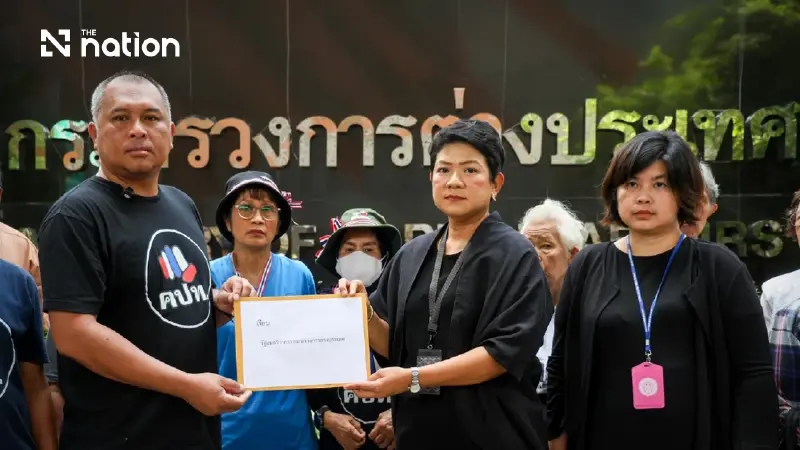


The NSPRT has urged Thailand’s Foreign Ministry to seek an explanation from Indonesia after President Prabowo Subianto hosted Thaksin's sister, former PM, in Jakarta.
A Thai political pressure group on Thursday called on the Foreign Ministry to take a clear diplomatic stance towards Indonesia after President Prabowo Subianto hosted a fugitive former prime minister at a private gathering in Jakarta.
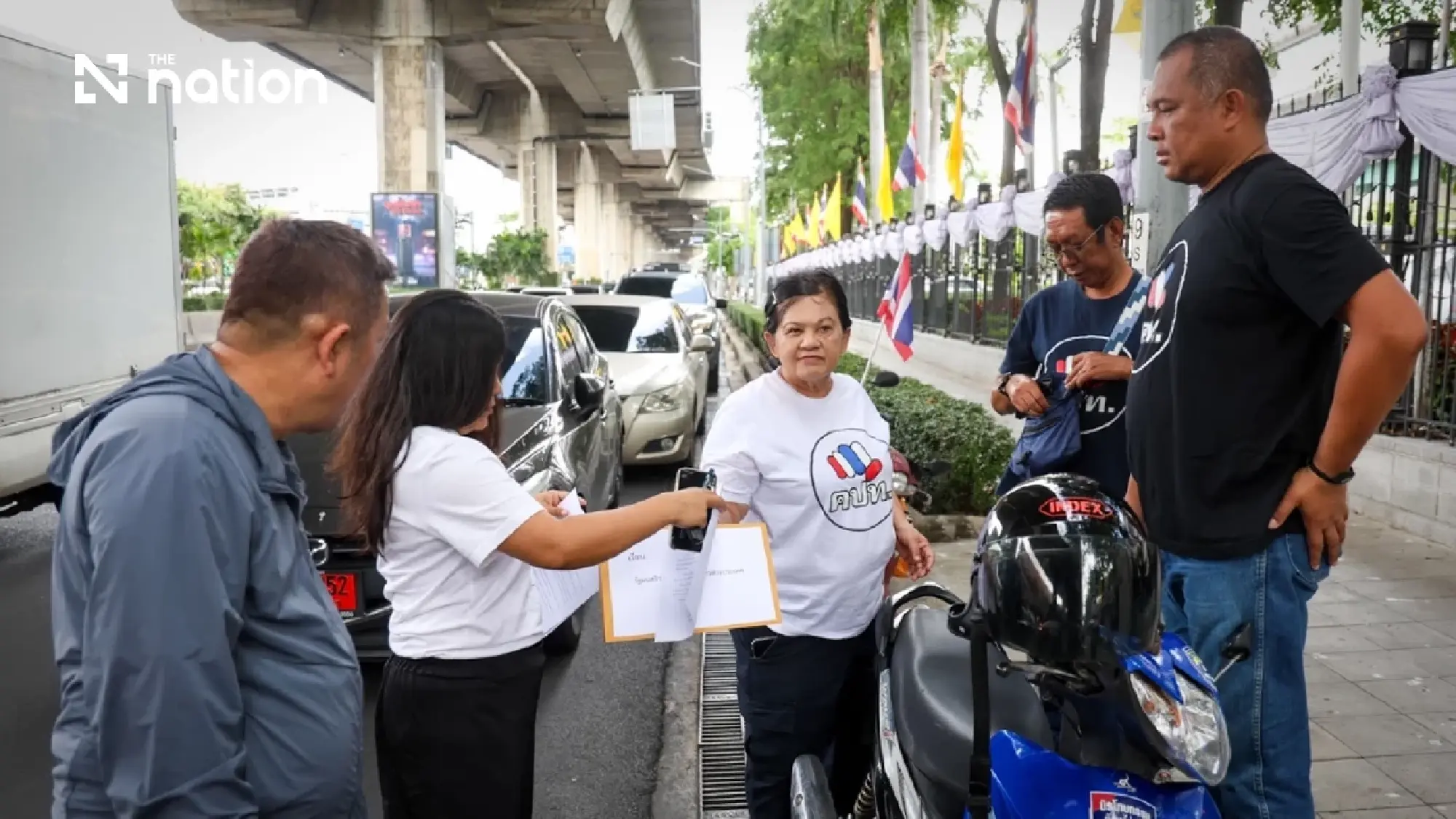
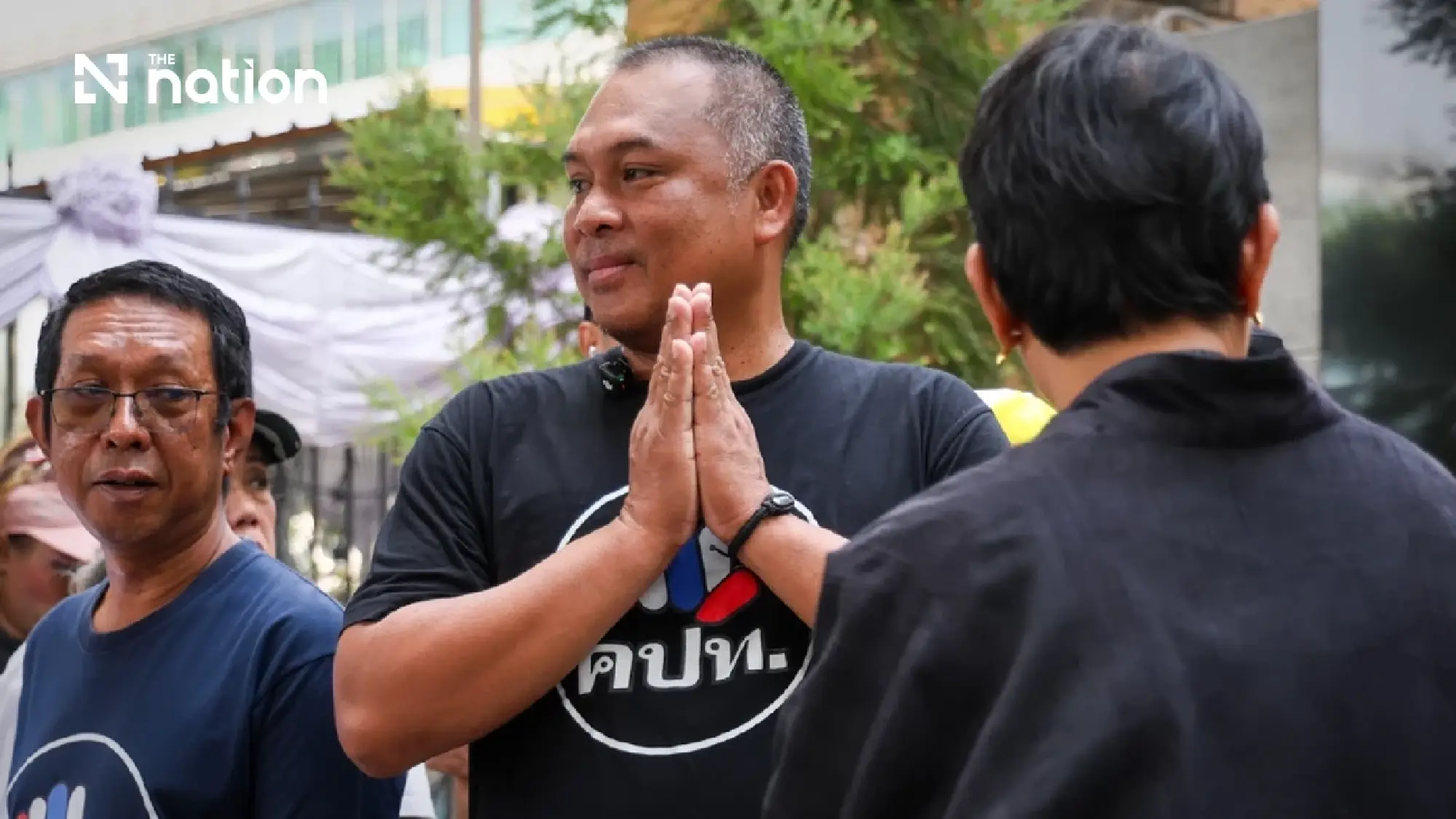
Pichit Chaimongkol, a leader of the Network of Students and People for Reform of Thailand, or NSPRT, led a delegation to submit a petition addressed to the foreign minister.
The group asked the government either to seek an explanation from the Indonesian ambassador to Thailand or to deliver a formal diplomatic protest over Prabowo’s reception of former prime minister Thaksin Shinawatra's sister, whom Thai authorities regard as a fugitive under a Supreme Court judgment.

Group questions treatment of Thaksin's sister
The NSPRT argued that the Indonesian president’s reception of Thaksin's sister was inappropriate because she remains outside Thailand after being sentenced in absentia in a criminal case.
Pichit said treating her as a high-profile guest risked sending the wrong signal about Indonesia’s respect for Thailand’s judicial process and the legal cooperation between the two countries.
“Thailand and Indonesia already have an extradition treaty,” Pichit said. He questioned whether welcoming a person wanted by Thai authorities as a VIP amounted to disregarding the agreement.
The group urged the Foreign Ministry to defend the standing of Thailand’s justice system and not allow the matter to pass without a diplomatic response.

Meeting held at Prabowo’s private residence
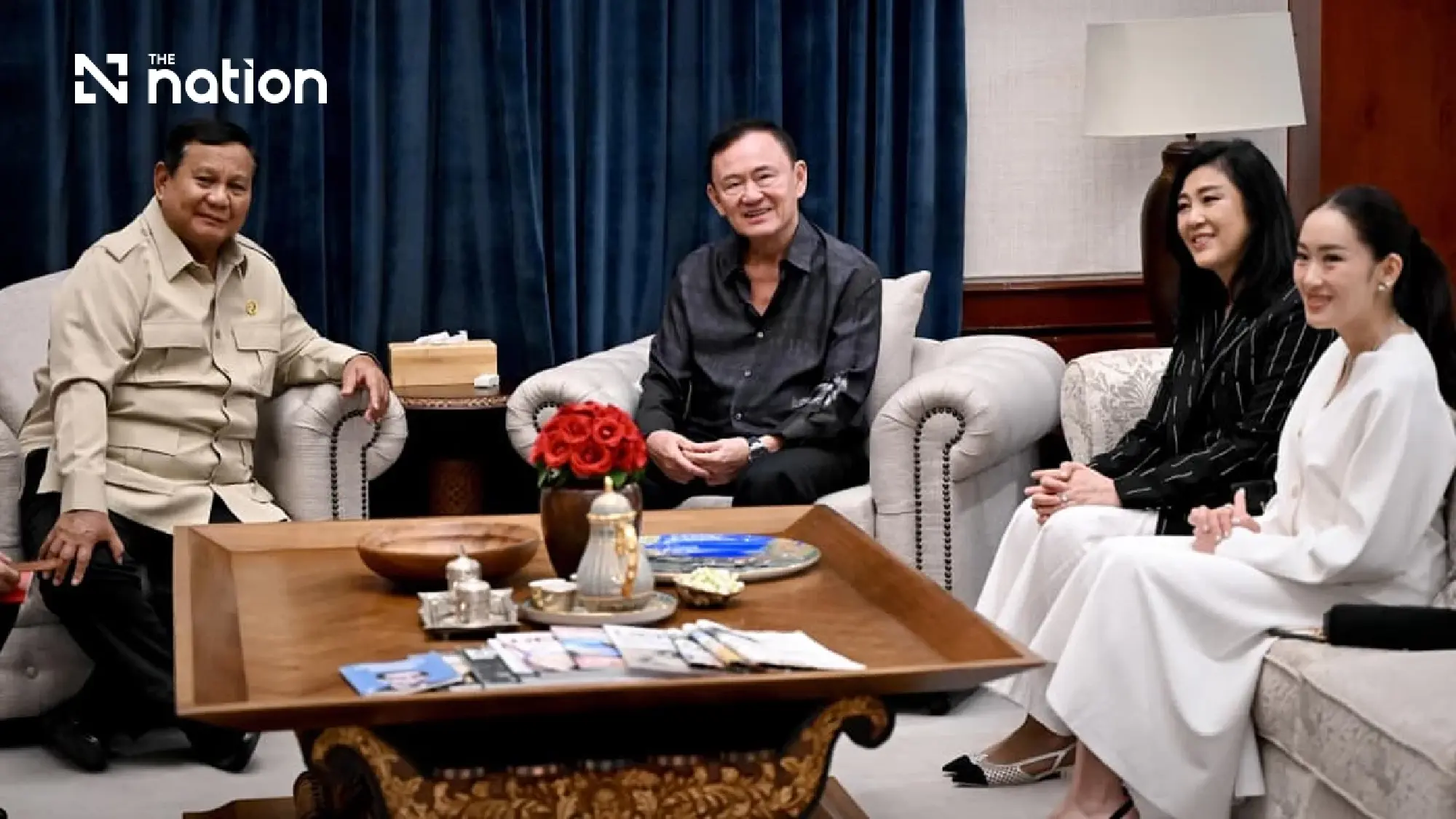
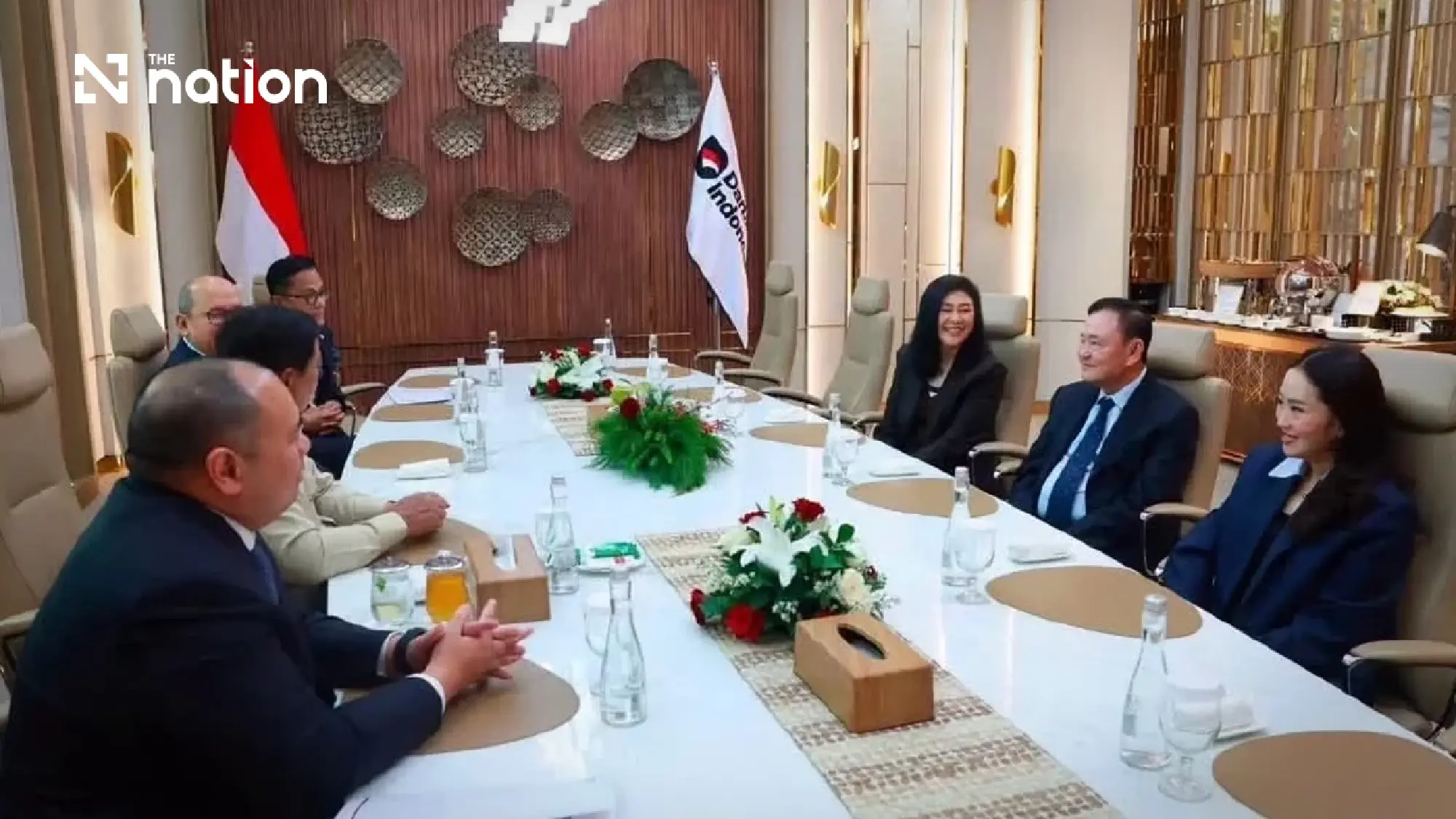
Indonesian accounts described the event as an informal gathering at Prabowo’s private residence on Kertanegara Street in South Jakarta on July 8, rather than an official reception at the presidential palace.
The former PM attended alongside her brother, Thaksin, also a former prime minister, and her niece, former prime minister Paetongtarn Shinawatra.
Indonesia’s Cabinet Secretariat described the meeting as warm and cordial, saying Prabowo and Thaksin exchanged views on regional affairs and strategic global developments.
The Indonesian account focused mainly on Prabowo’s longstanding relationship with Thaksin and did not address his sister's legal status in Thailand.

Rice-scheme conviction remains central to dispute
Thaksin's sister left Thailand shortly before the Supreme Court delivered its ruling in September 2017 over her administration’s rice-pledging programme.
The court found her guilty of negligence and sentenced her in absentia to five years in prison. She has remained abroad since then, while the sentence has not been served.
Her presence at Prabowo’s residence became the focus of the NSPRT’s complaint, with the group arguing that the hospitality shown to her contrasted with her status under Thai law.

Chaowalit return cited as example of cooperation
Pichit compared the case of Thaksin's sister with that of Chaowalit Thongduang, also known as “Pang Nanod”, a high-profile Thai fugitive who was arrested in Bali in 2024.
Chaowalit had escaped from detention in Thailand and was later found in Indonesia using false identity documents. Indonesian and Thai authorities subsequently cooperated in returning him to Thailand to face legal proceedings.
The NSPRT said that operation demonstrated that the two governments were capable of working together when a person wanted by Thai authorities was located in Indonesia.
It argued that Thaksin's sister appeared to have received markedly different treatment, although the two cases involved different allegations, circumstances and legal procedures.
Treaty requires a formal legal process
Thailand and Indonesia have a bilateral extradition agreement, but its existence does not make the detention or surrender of any wanted person automatic.
The treaty states that extradition is subject to its provisions and conditions. It also provides grounds on which the requested country may refuse extradition, including when it regards the offence concerned as political.
This means that Prabowo’s meeting with the fugitive former PM does not, by itself, establish that Indonesia breached the treaty. Any extradition would require a formal request, supporting material and consideration under the applicable treaty provisions and Indonesian law.
