Abhisit offers 5 proposals for sustainable growth in Thai tourism



Abhisit proposes 5 key measures to revitalise Thai tourism, including tackling grey businesses and improving safety to rebuild trust with Chinese tourists

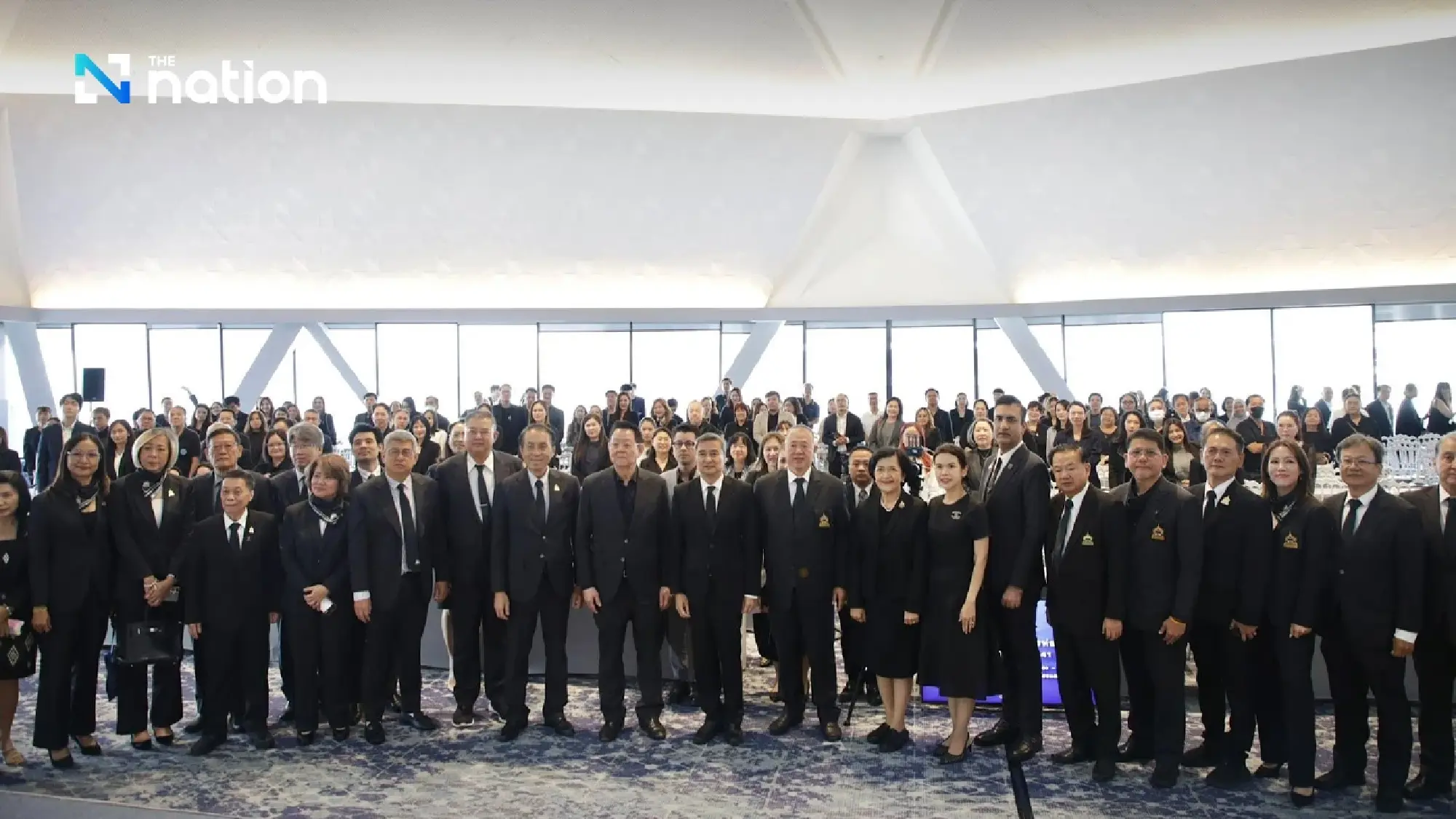
On October 29, Abhisit Vejjajiva, leader of the Democrat Party and former Prime Minister, delivered a keynote address on “Tourism and the Future of Thailand” at the Association of Thai Travel Agents (ATTA) meeting. The speech came as part of the Democrat Party’s ongoing consultation with the private sector ahead of the 2026 elections.
Abhisit painted a grim picture of Thailand’s economic situation, which has stagnated for over a decade. With growth currently at 2% annually—among the lowest in the region—he warned that economic improvement and a better quality of life for Thai people will remain unattainable unless the country breaks free from its slow-growth cycle.
Tourism is critical to the Thai economy, as evidenced during the COVID-19 pandemic. When the tourism sector struggled, so did the country’s economy. Although there were expectations of a quick recovery post-pandemic, tourism numbers and revenue have yet to reach pre-pandemic levels. In 2019, Thailand saw around 40 million foreign tourists. However, projections for 2025 indicate that foreign tourist numbers might fall short of expectations and even decrease compared to previous years.
A key concern Abhisit raised was the sharp decline in Chinese tourists. Before COVID-19, over 10 million Chinese tourists visited Thailand annually, but this number has yet to recover. In contrast, countries like Japan, Vietnam, and Malaysia have seen an influx of Chinese tourists.
Abhisit pointed out that the issue is not Chinese government policies promoting domestic travel but rather safety concerns among Chinese tourists. Stories about kidnappings, organ trafficking, and links to scammers and grey businesses in Thailand, which have gone viral on social media, have made Chinese tourists feel unsafe. He stressed that the Thai government must address these issues decisively, enforce the law, and work to restore Thailand’s image to rebuild trust among Chinese tourists.
Abhisit also highlighted the impact of an overvalued Thai baht, which has eroded the country's competitiveness in tourism, causing tourists from markets like Russia to turn to Vietnam instead. Despite this, Abhisit believes Thailand still has significant potential to attract repeat visitors, who make up a large portion of tourists.
In his speech, Abhisit proposed five key measures to address urgent challenges in the Thai tourism industry:
- Diversify tourism markets: Abhisit stressed the need to promote group tours and adapt to the changing behaviours of new tourists, particularly younger generations. Given the safety concerns surrounding Chinese tourists, it’s crucial to diversify markets to ensure growth.
- Support the tourism business, especially SMEs: Abhisit suggested that the government support SMEs by helping reduce costs and invest in sustainable practices that align with the preferences of environmentally conscious new-generation travellers.
- Enhance skills and raise standards: Abhisit called for an overhaul of tourism industry standards by integrating technology to increase efficiency and reduce costs, while improving the overall skill level of workers in the sector.
- Upgrade infrastructure: He highlighted the need to improve infrastructure and connectivity, particularly to develop secondary cities and spread tourism more evenly, driving sustainable economic growth and improving Thailand’s competitiveness.
- Close gaps in tourism marketing: Abhisit suggested expanding efforts to promote Thailand using foreign influencers, which could help attract more international tourists.
Additionally, Adith Chairattananon, ATTA's secretary-general, proposed three specific recommendations to the government to accelerate the development of Thailand’s tourism sector:
- Create a National Tourism Intelligence Platform: A national platform would collect real-time data from various sources, including immigration checkpoints, airlines, online travel agencies, hotels, and mobile phones. This would help the government analyse behaviour, spending patterns, travel routes, and economic impact. It would also allow the government to predict travel trends, especially in markets like China, India, and ASEAN.
- Reform Destination Governance: The proposal calls for moving from a centralised command system to regional decision-making. This would involve creating “Tourism Management Zones” in each region, with Regional Tourism Boards given authority over budgets, plans, and resources. These boards would involve all three sectors: government, private, and community.
- Invest in Tourism Human Capital & Trust Economy: The establishment of the Thailand Tourism Academy, a body to develop and certify the tourism workforce, including skills in digital technologies and AI. This academy would also help establish a Tourism Trust Mark for businesses that meet safety, sustainability, and ethical standards, further strengthening Thailand’s reputation as a safe and trusted travel destination.