
Thailand dubbed the world’s digital nomad paradise in 2026
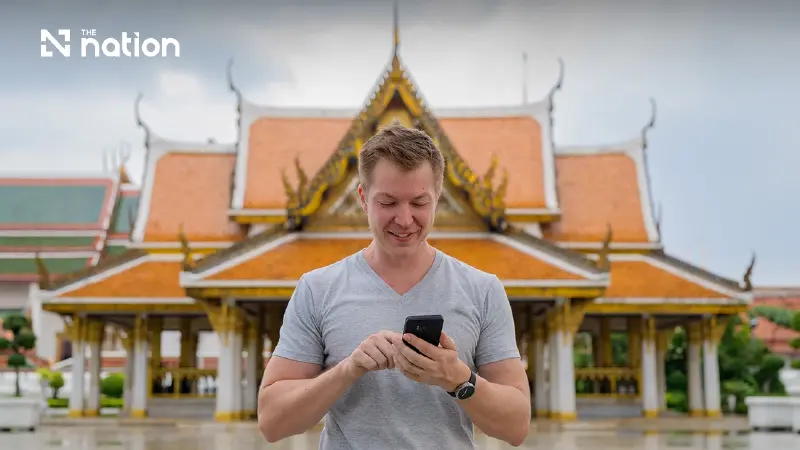


Thailand emerges as a global digital nomad hub in 2026, blending world-class connectivity, long-stay visa reforms, and an unmatched work-life balance across Bangkok, Chiang Mai and island destinations.
- Thailand has introduced the Destination Thailand Visa (DTV), a long-stay visa specifically for remote workers that allows for stays of up to five years.
- The country provides robust digital infrastructure, including nationwide 5G coverage and high-speed fiber internet in major cities, facilitating seamless remote work.
- A strong support ecosystem has developed, featuring vibrant co-working spaces, networking events, and established communities in key hubs like Bangkok, Chiang Mai, and Koh Phangan.
- The nation offers a unique work-life balance, combining affordability with diverse lifestyle options that range from bustling urban centers to relaxed island settings.
In 2026, Thailand is no longer defined solely by its beaches, temples and tourism appeal. It has evolved into a global headquarters for a new kind of workforce — the digital nomad generation — earning a reputation as one of the world’s most attractive bases for remote professionals seeking both productivity and lifestyle.
At the heart of this transformation is a carefully aligned mix of policy innovation, digital infrastructure and lifestyle accessibility. Thailand is increasingly described as a “global capital of digital nomads”, where long-term remote work is not only possible but actively supported.
A key driver of this shift
A key driver behind this shift is the Destination Thailand Visa (DTV), designed specifically for long-stay remote workers. The scheme allows eligible professionals to remain in the country for up to five years, with stays of 180 days per entry and options for renewal.
Thailand’s digital infrastructure has also played a decisive role. Nationwide 5G coverage, combined with high-speed fibre internet in major urban centres, has made location-independent work seamless.
Average broadband speeds of more than 300 Mbps in key cities allow for uninterrupted video conferencing, large-scale file transfers and real-time collaboration across continents.
Beyond infrastructure, it is Thailand’s human ecosystem that sets it apart. From Chiang Mai to Bangkok and southern islands such as Koh Phangan, co-working spaces have become vibrant professional hubs rather than simple shared offices.
Regular networking events, workshops and community gatherings have created an environment where solo remote workers can easily integrate, collaborate and exchange ideas. The result is a growing international network that feels both professional and personal.
Three destinations shaping the lifestyle map
Bangkok continues to anchor the urban experience. With its 24-hour cafés, extensive BTS and MRT networks, and thriving business districts, it offers the energy of a global metropolis tailored to hybrid working lifestyles.
Chiang Mai remains the enduring heart of the digital nomad movement. Affordable living costs, a relaxed cultural rhythm and a strong creative community have kept it at the top of global remote-work rankings for years.
Meanwhile, Phuket and Koh Phangan represent the island lifestyle alternative — where workspaces overlook the sea, and the boundary between productivity and leisure becomes deliberately fluid.
More than work — a redefinition of quality of life
What ultimately distinguishes Thailand is not only affordability or infrastructure, but balance. The ability to complete a morning of focused work and spend the evening at a street-side restaurant or a world-class spa encapsulates its unique appeal.
In 2026, Thailand stands out not just as a place to work remotely, but as a destination that actively reshapes how work and life can coexist.
