
At least 25 guides quit over Antarctic tourism impact
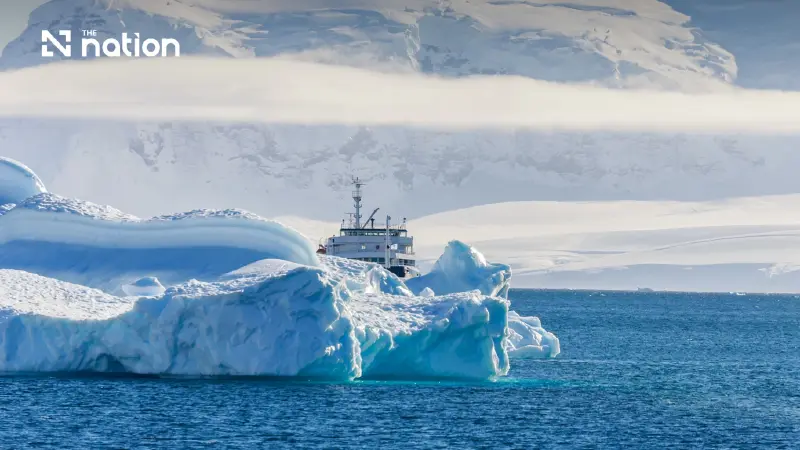


A study links at least 25 guide resignations to ethical concerns as Antarctic visitors reach 120,000 and could rise to 450,000 within a decade.
At least 25 Antarctic tour guides have resigned after concluding that the rapidly expanding tourism industry conflicted with their conservation values and was adding to pressure on the continent’s fragile environment.
The resignations were documented in research by Zdenka Sokolíčková, a postdoctoral researcher at the Arctic Centre at the University of Groningen.
Former guides described growing discomfort at teaching visitors about global warming while working within an industry they believed was contributing to environmental damage through wildlife disturbance and carbon-intensive cruise travel.
About 120,000 people visited Antarctica during the 2025–26 tourism season, while the number is projected to reach 450,000 within the next decade.
The increase presents a mounting challenge for the preservation of one of the world’s most remote and largely undisturbed environments.
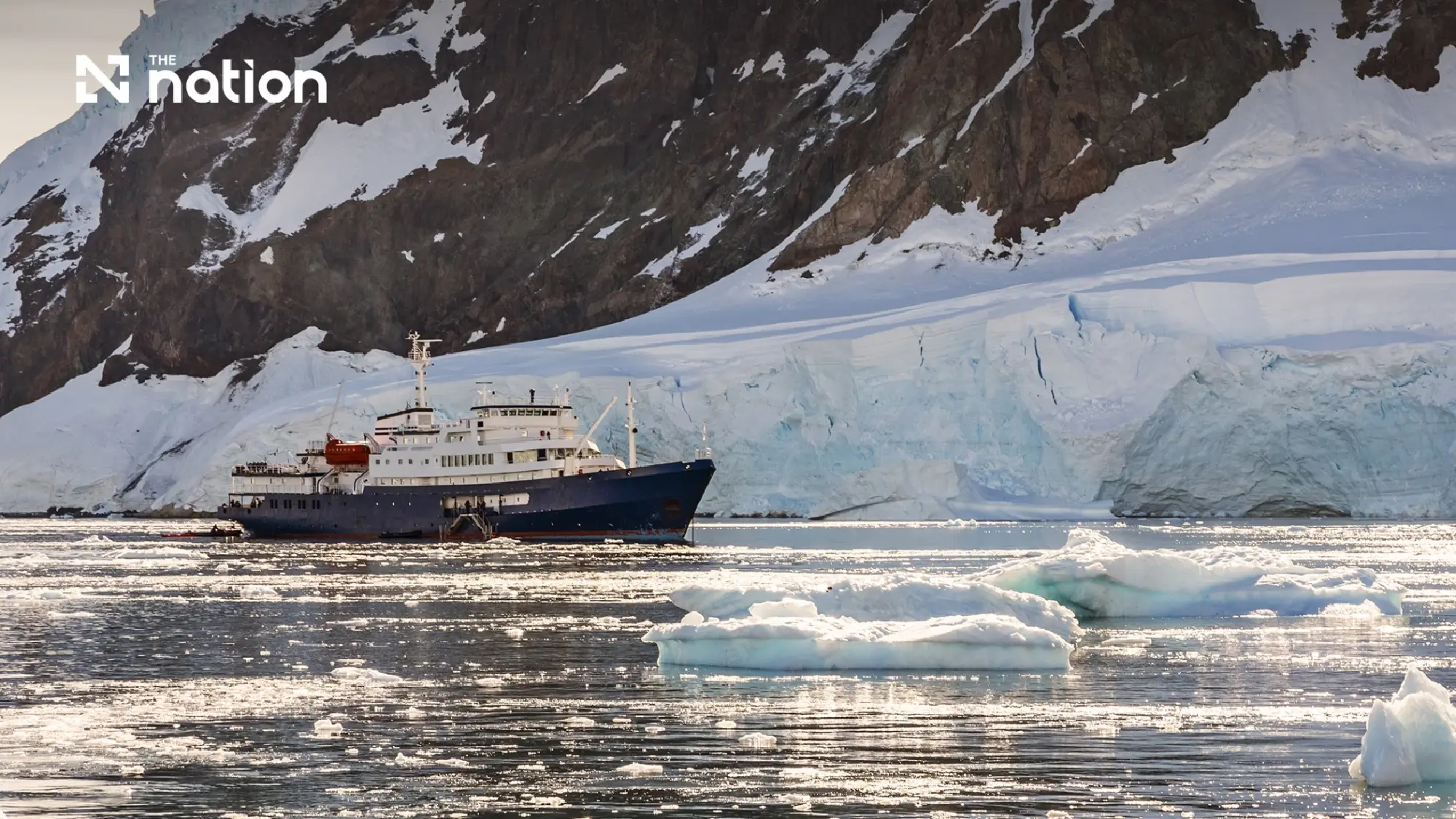

Tourism growth tests conservation message
Some guides who once took pride in introducing visitors to Antarctica began to view their work as part of “a staged performance” intended to raise awareness about global warming without addressing the industry’s own environmental effects.
They increasingly felt that the conservation message they delivered to passengers was at odds with their role in supporting the continued expansion of Antarctic tourism.
The pressure was particularly visible around penguin colonies. One former guide recalled hundreds of tourists moving through areas occupied by the birds almost continuously throughout the day.
The repeated presence of visitors left the penguins with only a few hours of relative quiet during the night, according to the account.
Antarctic tourism also depends heavily on cruise ships, adding substantial carbon emissions to a destination already affected by global warming.
For some guides, this created a sharp contradiction: visitors travelled to experience Antarctica’s natural beauty, but the journeys required to reach it were contributing to the environmental pressures threatening the continent.
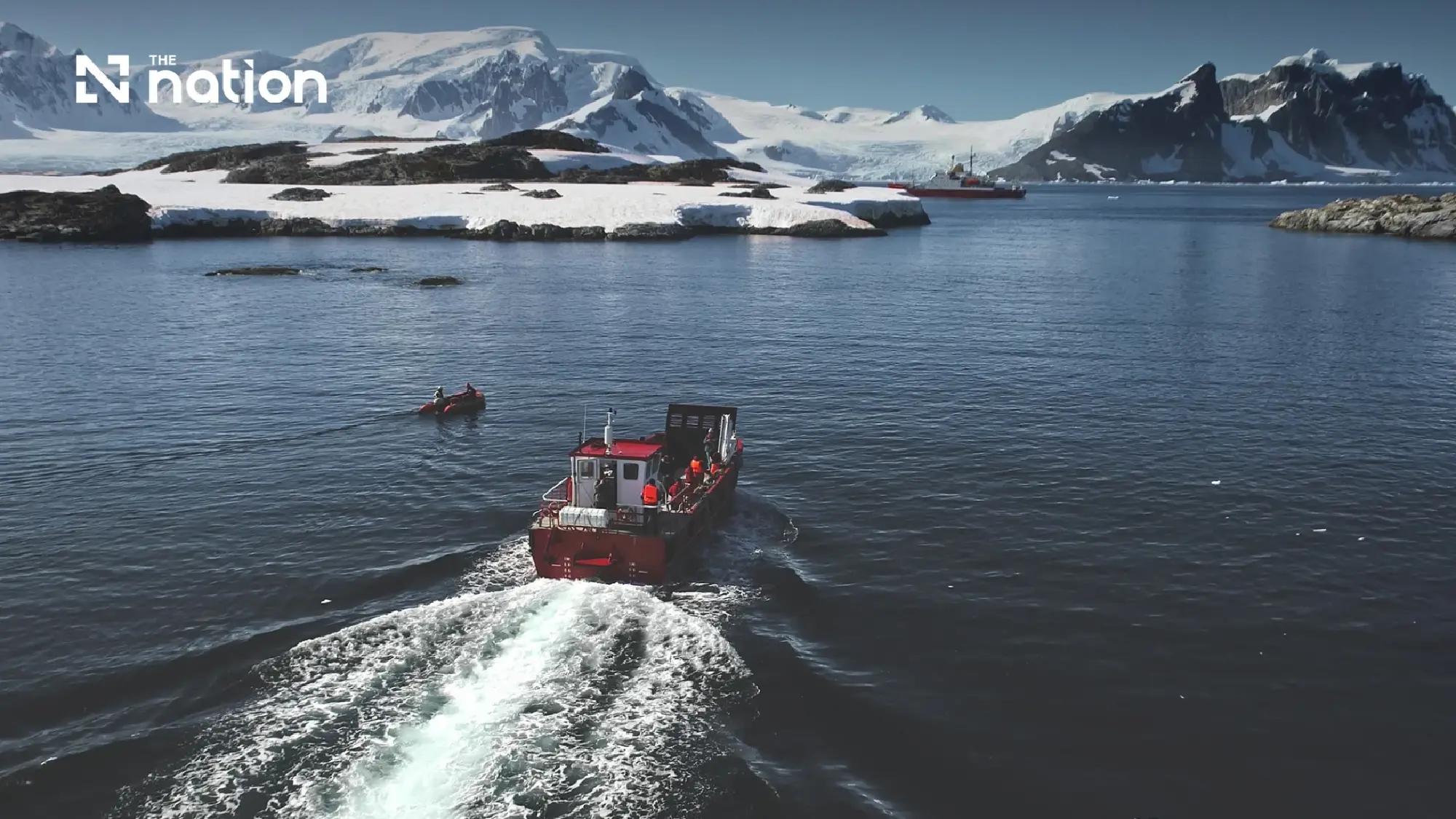

Glacier collapse becomes a tourist spectacle
The conflict became more difficult for guides who witnessed visible changes in the polar environment while accompanying tourists.
One former guide recalled watching a glacier collapse and feeling close to tears at what appeared to be a sign of a deepening environmental crisis.
Some passengers on the ship responded by cheering because they regarded the collapse as a spectacular natural display, without recognising the loss behind what they were seeing, the guide recalled.
In 2020, described as the hottest year recorded in Antarctica, another former guide remembered walking on a glacier wearing only a T-shirt and operating a boat without gloves.
The unusually warm conditions made the effects of global warming impossible to ignore, according to the guide.
Such experiences left some guides feeling guilty about continuing to explain climate change to tourists while participating in an industry they believed was helping to intensify the problem.
Guides leave after reaching ethical breaking point
Sokolíčková’s study found that at least 25 guides eventually resigned because they could no longer reconcile their work with their beliefs about conservation.
They regarded their participation in the growth of Antarctic tourism as fundamentally at odds with their consciences and their responsibility towards the environment.
“I wanted to prove to myself that I had chosen to stand on the right side for future generations,” one former guide said.
“When I am dying, I will be able to tell my children, ‘Your father tried to do something.’”
Several guides reported substantial improvements in their physical and mental wellbeing after leaving their jobs.
The strain of continuing to perform work they believed was ethically wrong began to disappear. One former guide described the change by saying that, after resigning, he could finally breathe fully again.
China proposes tougher controls on Antarctic activity
China, regarded as the world’s second-largest and fastest-growing market for Antarctic tourism, has proposed legislation to regulate activities on the continent.
The draft Antarctic Activities and Environmental Protection Law would require operators to obtain official permits from the government’s maritime authorities.
Applications would have to include:
- Detailed plans for proposed activities
- Environmental impact assessments
- Emergency response plans
- Evidence of adequate financial guarantees
The proposed penalties range from 100,000 to 1 million yuan, equivalent to approximately 500,000 to 5 million baht.
Authorities could order those found to have breached the law to stop their activities immediately and leave the area.
Offenders could also be barred from applying for permits to conduct Antarctic activities for up to 10 years.
Hu Jiaojiao, director of Polar Hub, an organisation focused on glacier protection, said pressure from human activity and global warming was placing an increasing burden on Antarctica.
She viewed the proposed law as a potential guide for moving tourism towards a more sustainable model and aligning the industry with China’s international environmental responsibilities.
Alongside government measures, campaigns are promoting stricter rules for visitors, including remaining at least five metres from wildlife and cleaning clothing and equipment to prevent non-native organisms from being introduced to Antarctica.
Source: Bangkokbiznews
