
Spain reinforces Ceuta sea border after mass crossings
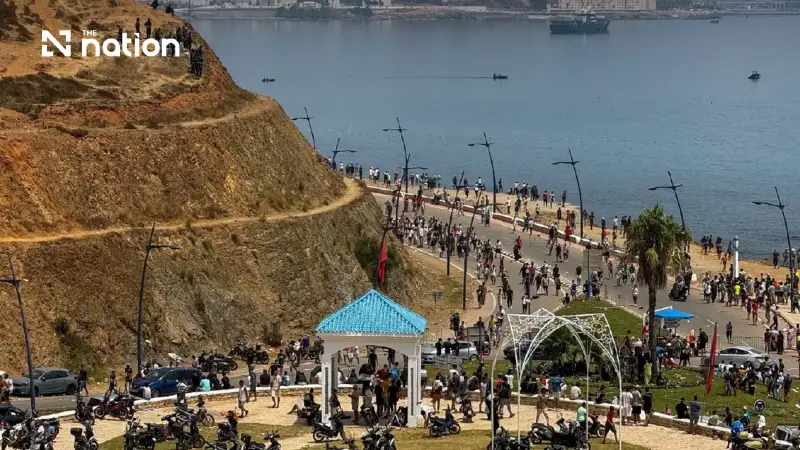


Spain is installing a 500-metre maritime barrier at Ceuta after 50,000–60,000 people crossed from Morocco and dozens were reported dead.
Spain has begun installing a 500-metre maritime barrier along Ceuta’s border with Morocco after between 50,000 and 60,000 migrants entered the Spanish territory within days, overwhelming local authorities and leaving dozens dead.
Spain’s Interior Ministry put the number of arrivals at 50,000, while Ceuta’s local government estimated that as many as 60,000 people had crossed. Tens of thousands were reported to have entered within 24 hours on Thursday (July 30).
The influx was described as one of the largest mass crossings in Ceuta’s history. Ceuta is a Spanish territory on the North African coast bordering Morocco.

Reports gave differing casualty figures. At least 57 people were reported to have drowned while attempting to cross the maritime frontier, while a broader tally placed the overall death toll at at least 67.
The higher figure included people reportedly killed in a crowd crush as thousands pressed towards a breakwater leading to Tarajal beach. Some attempted to swim around the coastal barrier to reach Spanish territory.
Most of those who crossed were Moroccan, although some came from sub-Saharan Africa.
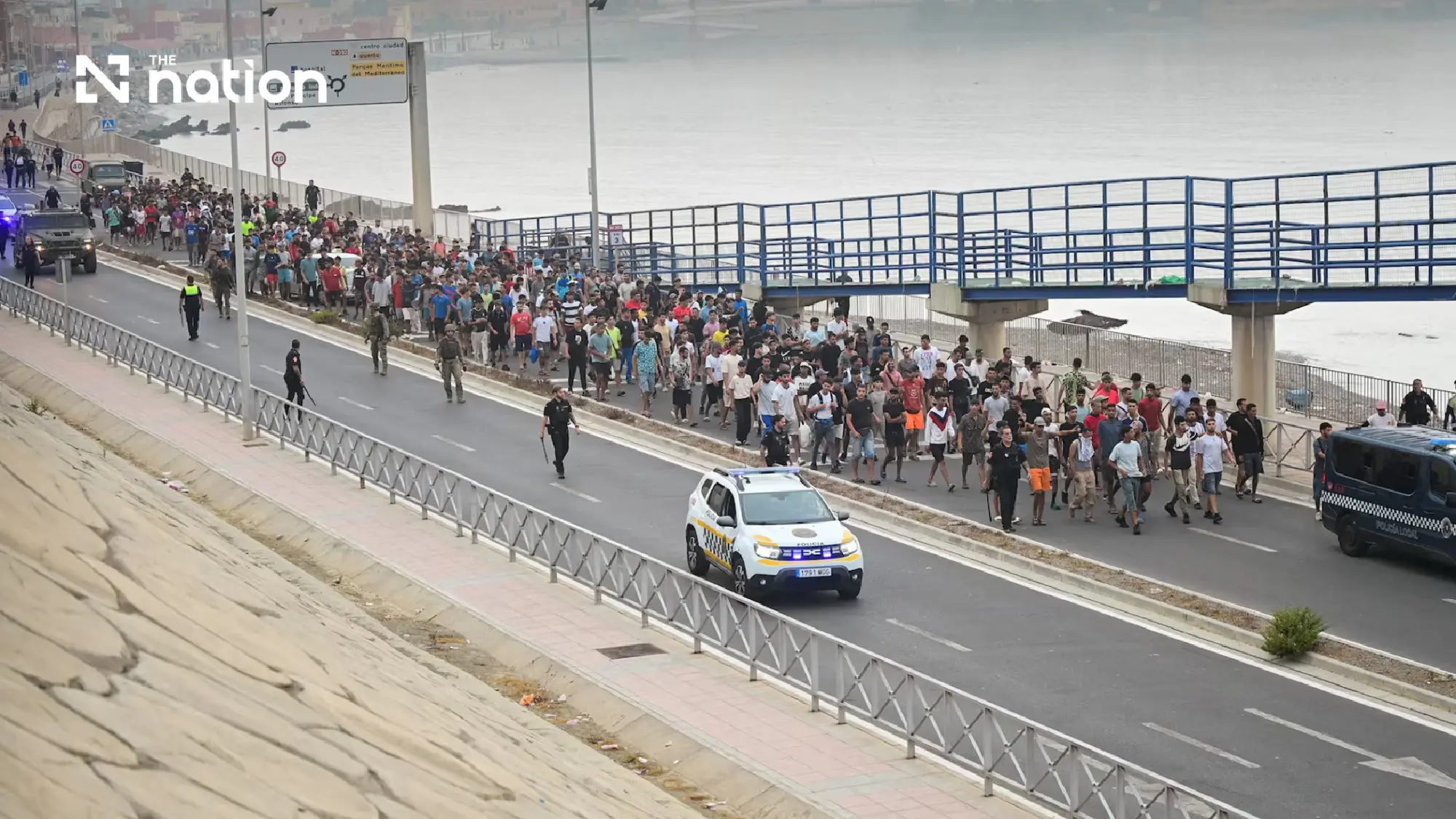

Troops and police deployed as crossings overwhelm Ceuta
Spain sent troops to Ceuta and reinforced the Guardia Civil presence at the border as authorities moved to regain control of the area.
Helicopters were also deployed to monitor the frontier, while the government accelerated work on the 500-metre maritime barrier.
Spanish Prime Minister Pedro Sánchez travelled to Ceuta after the sudden arrival of tens of thousands of people placed severe pressure on local police, security services and public facilities.
On the Moroccan side, security forces reportedly used tear gas and water cannon to disperse crowds attempting to reach the frontier.
Hundreds of migrants later returned to Morocco through official border crossings and gaps in the fence, Reuters reported. Spanish accounts also indicated that thousands had begun going back voluntarily after struggling to find food, drinking water or shelter in Ceuta.
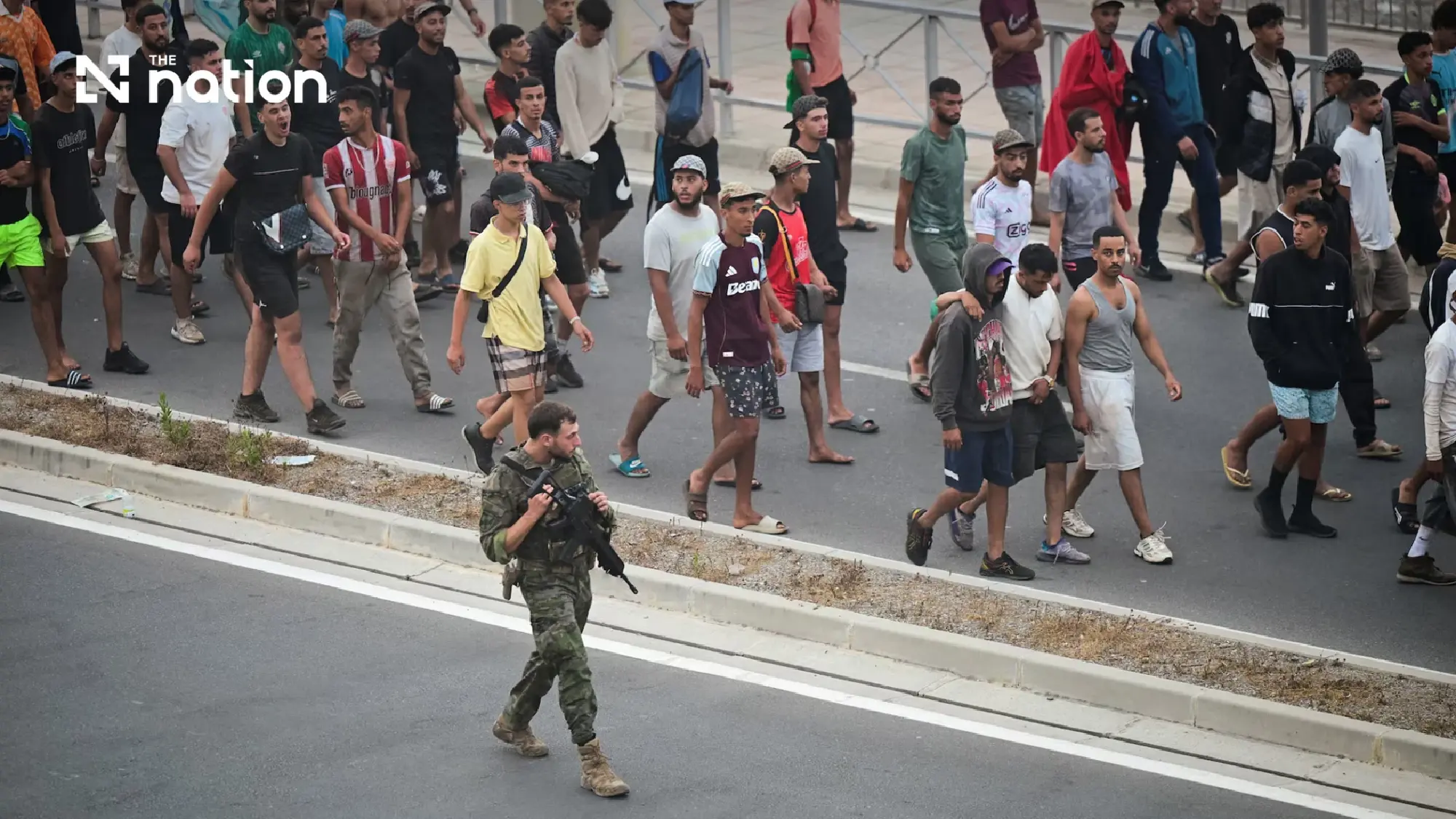

Sánchez condemns breach of Spanish territory
Sánchez described the mass crossing as “a violation of Spain’s territorial integrity” and said the events deserved the strongest condemnation.
Morocco faced allegations that its authorities had helped facilitate the movement of about 50,000 people towards Ceuta or had failed to prevent them from crossing.
Some migrants alleged that Moroccan police had encouraged them as they travelled towards the Spanish territory.
Morocco does not recognise Spanish sovereignty over Ceuta and Melilla, Spain’s other territory on the North African coast, and describes them as occupied territories.
CNN reported that the sovereignty dispute had led some experts to question whether Moroccan authorities had deliberately refrained from stopping the crossings. The reports did not establish that this had occurred.
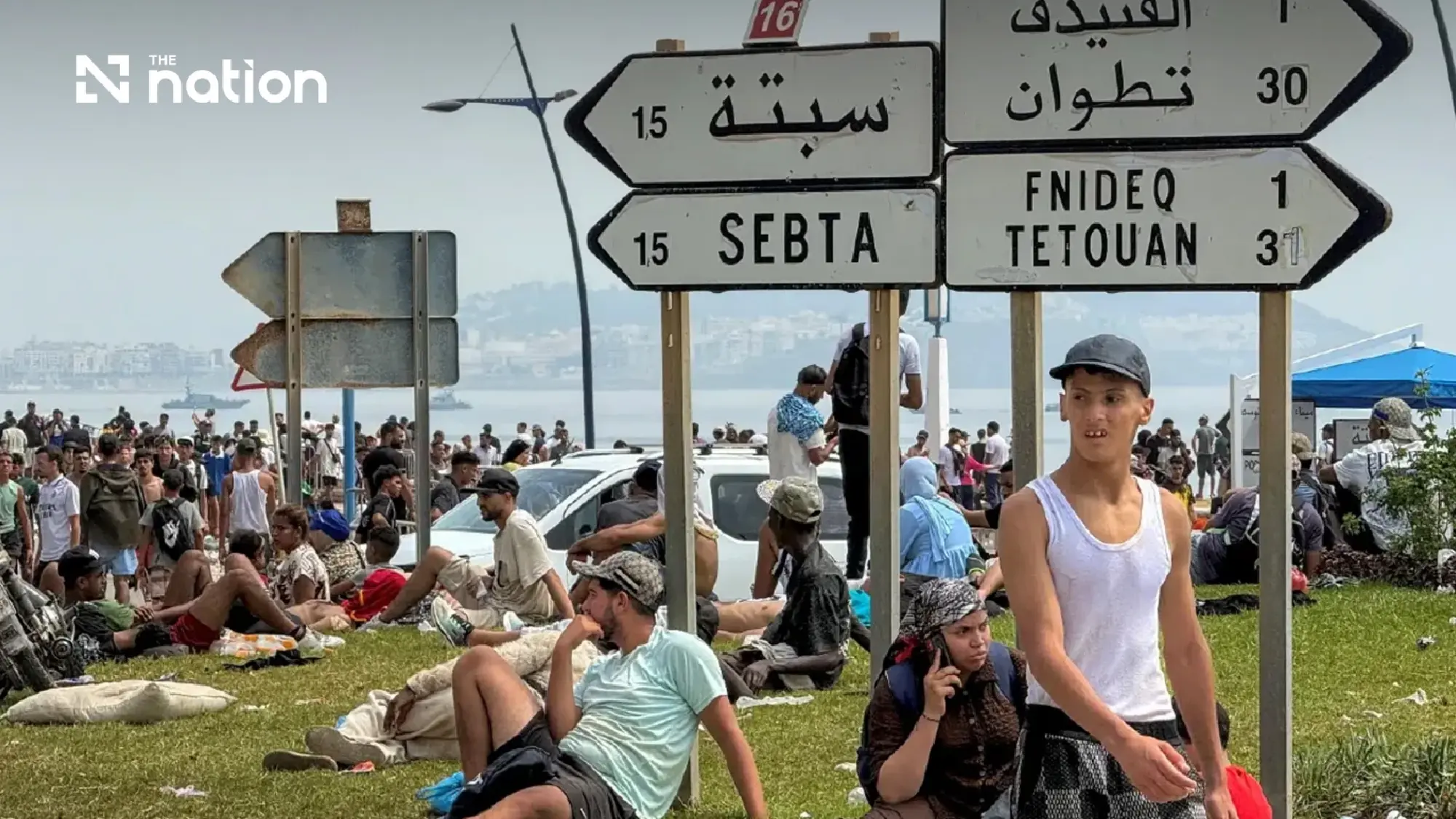

Spain blames misinformation spread by smugglers
The Spanish government attributed the sudden influx partly to misleading information circulated by people-smuggling networks following a ruling by Spain’s Supreme Court.
The court ruled that migrants intercepted at sea while attempting to enter Ceuta or Melilla could not be returned immediately to Morocco under the procedure used at the territories’ land borders.
Spanish authorities said smuggling networks had misrepresented the ruling and spread false claims suggesting that people who reached Ceuta would be permitted to remain.
Reuters quoted a Moroccan teenager as saying he had travelled for 12 hours to reach Ceuta after watching Instagram videos showing other migrants entering the territory.
The Spanish government maintained that such social-media content and distorted accounts of the court ruling had encouraged large numbers of people to make the journey.
Crisis prompts border checks and EU divisions
The events in Ceuta triggered a wider political dispute across Europe, with far-right leaders and politicians criticising Sánchez’s migration policy.
A group of 22 European Union member states, led by Denmark and Italy, submitted a request for an emergency meeting to consider stricter measures against irregular migration.
Italy threatened to suspend Schengen border-free travel arrangements with Spain and temporarily reinstated checks on some people arriving from Spain by air and sea.
France also ordered additional checks along its border with Spain.
Sánchez rejected calls to suspend Spain from the Schengen Area, arguing that they were driven by prejudice, false information and an unconstructive political response.
He maintained that protecting Europe’s external borders was a shared responsibility requiring cooperation from all EU member states.
