
Time Out names Bangkok’s Talat Noi world’s 14th coolest neighbourhood for 2026
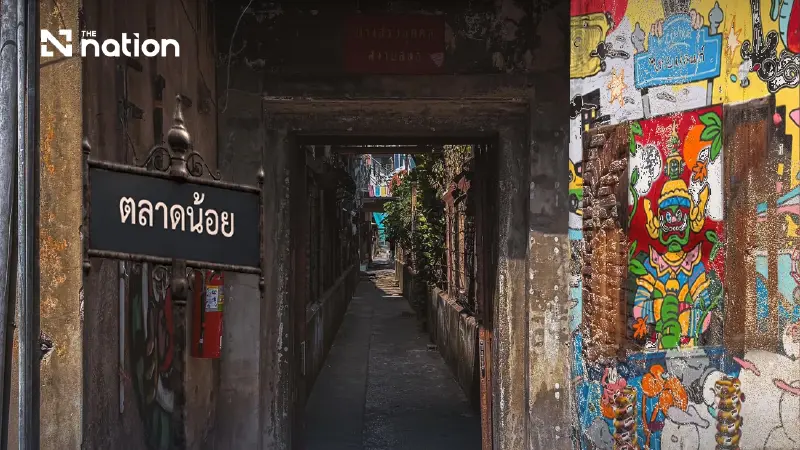


Time Out praises Bangkok’s Talat Noi for blending old workshops, historic buildings and new cafés, giving the capital its best neighbourhood ranking.
- Bangkok's Talat Noi was ranked 14th on Time Out's 2026 list of the world's 40 coolest neighbourhoods, the highest-ever placing for a district in the Thai capital.
- The ranking was attributed to the neighbourhood's unique blend of traditional businesses, such as engine repair shops, coexisting with modern cafés, bars, and creative spaces in historic buildings.
- Time Out highlighted that new businesses have integrated into the community's established way of life rather than displacing it, preserving the area's authentic character.
Bangkok’s Talat Noi has been ranked 14th among the world’s 40 coolest neighbourhoods in Time Out’s 2026 list, giving the Thai capital its highest placing since the annual ranking began.
Time Out highlighted Talat Noi’s combination of traditional workshops, historic buildings and newer cafés, bars and creative spaces, where businesses from different generations operate alongside one another rather than replacing the neighbourhood’s established way of life.
Talat Noi’s top-15 finish surpasses Song Wat’s 39th place in 2023 and Ekkamai’s 27th in 2024. No Bangkok neighbourhood appeared on the 2025 list.

Time Out draws on nominations from its international network of local writers and editors before an editorial panel decides the final order. The selection considers food and drink, nightlife, culture, independent businesses, liveability and community, focusing on neighbourhoods where visitors can experience everyday city life beyond major tourist landmarks.
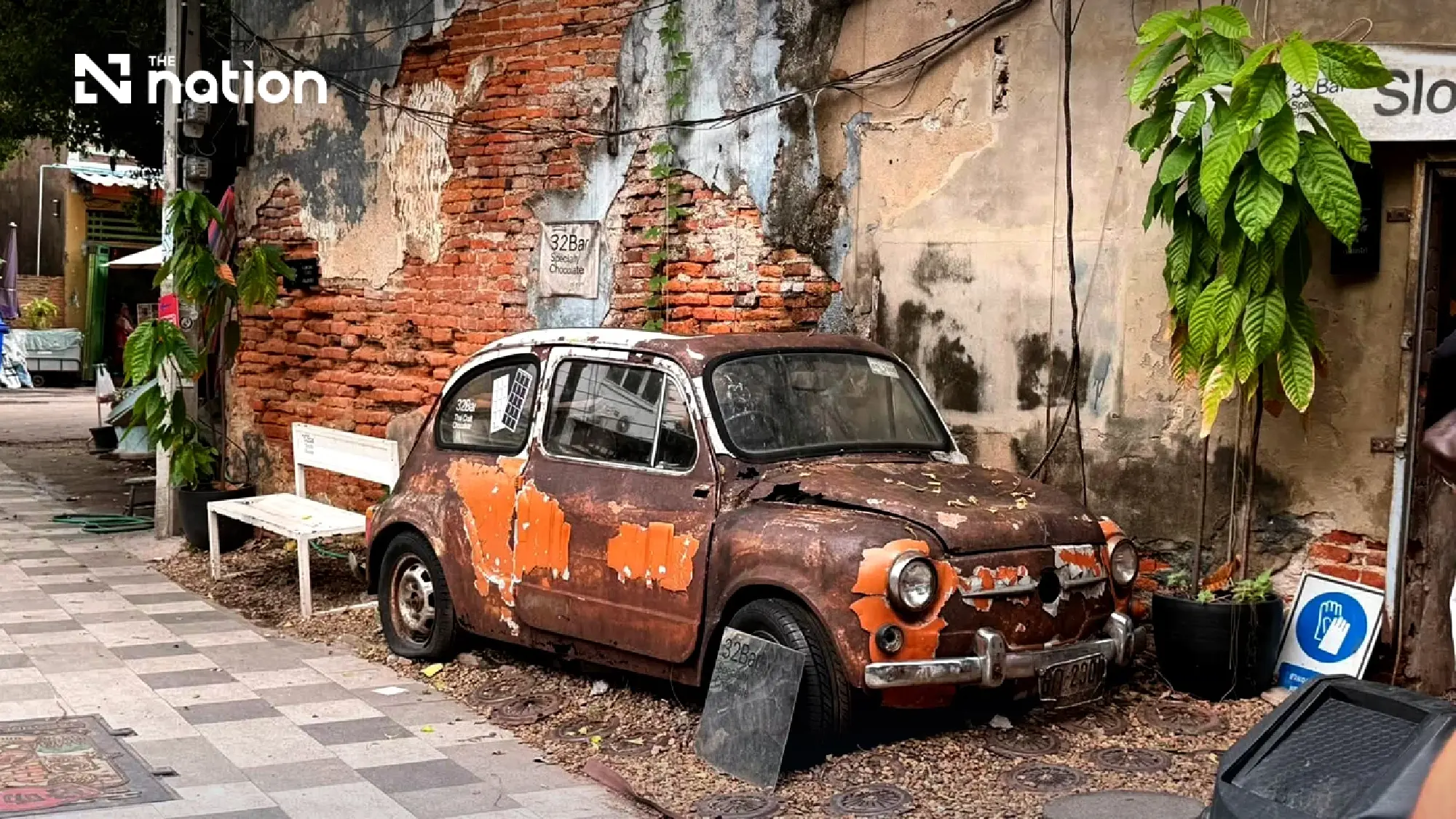
Talat Noi’s working garages share space with cafés and bars
Talat Noi’s appeal lies in the coexistence of old and new, rather than a wholesale makeover, according to Time Out. Once an important port area, the neighbourhood later developed into a centre for engines and spare parts, with repair shops and garages still operating along its narrow lanes.

Cafés, bars, galleries and creative businesses have gradually moved into Talat Noi without displacing all the traditional trades. Time Out illustrated that relationship through a scene in which mechanics work on engines at street level while coffee is prepared for customers upstairs in the same building.
Talat Noi’s changes reflect the reuse of historic Bangkok buildings for new businesses, with fresh activities added to an existing community rather than old premises simply being demolished and replaced.
Talat Noi combines coffee stops with historic sites

Talat Noi offers places to explore from morning into the evening, bringing together cafés, restaurants, creative spaces, old architecture and religious sites. Mother Roaster, a small coffee shop sharing a building with a vehicle workshop, is one example of the neighbourhood’s overlapping identities.
Another is 965bkk, which occupies a shophouse more than 200 years old and combines a café, bar and creative space. The business forms part of a newer generation making use of Talat Noi’s historic premises.

Holy Rosary Church, also known as Kalawar Church, has a history dating to its foundation in 1787. Talat Noi’s cultural landmarks also include Chow Sue Kong Shrine and Rong Kueak Shrine, two separate places of worship reflecting the neighbourhood’s Chinese heritage.
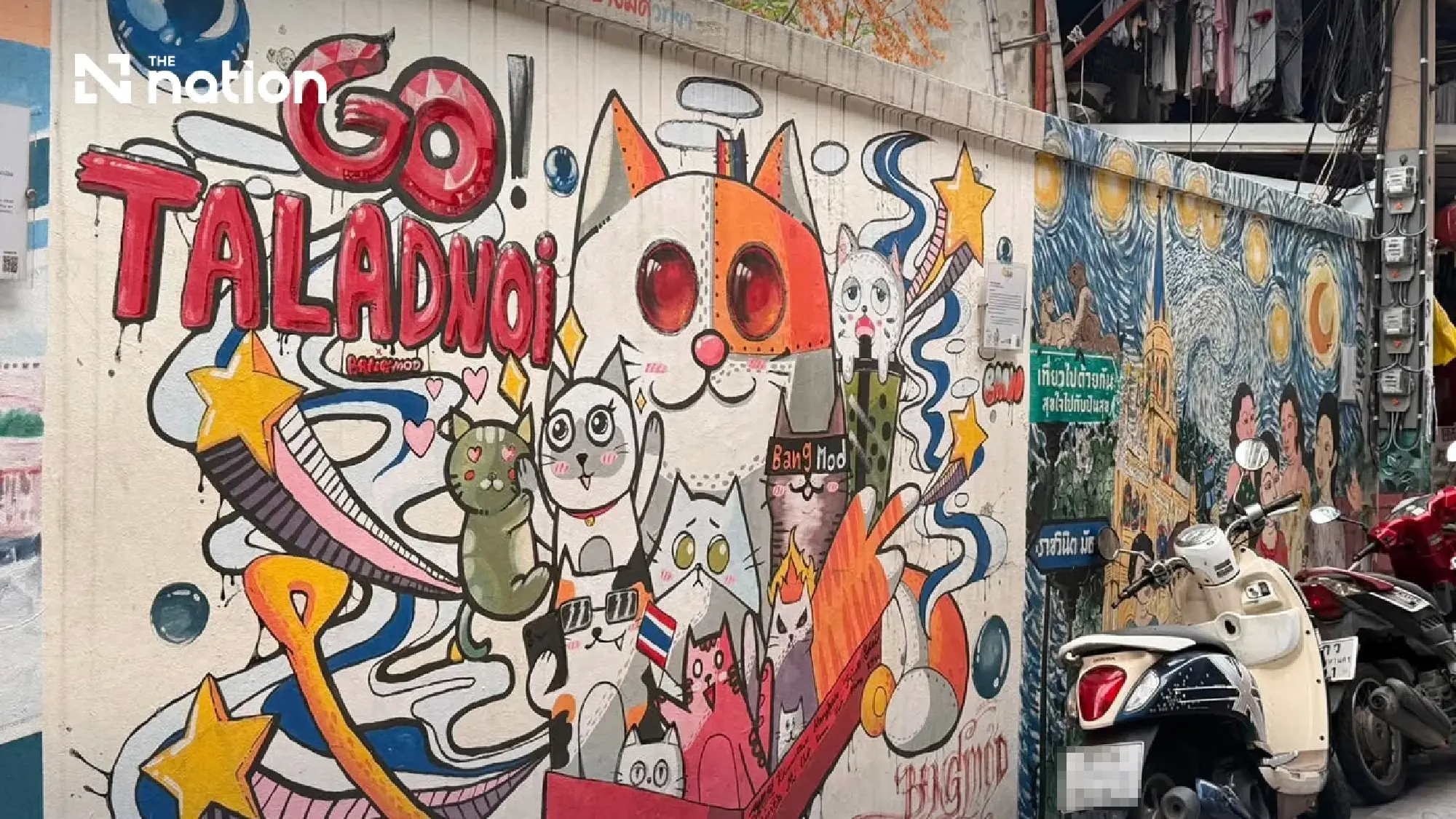
So Heng Tai Mansion, a Hokkien Chinese residence more than two centuries old, remains in use rather than serving solely as a historic backdrop for photographs. Elsewhere in Talat Noi, murals, small riverside shops and old buildings sit alongside newer cafés and bars.

Seoul’s Jongno 3-ga leads Time Out’s global top five
Jongno 3-ga in Seoul took first place in the 2026 ranking, having previously reached third in 2021. Time Out highlighted the South Korean neighbourhood’s renewed street-food and nightlife scene, particularly its evening food stalls, known as pocha.
Jongno 3-ga’s pocha, traditionally inexpensive places for office workers and labourers to eat, have become meeting spots for younger people to dine, drink and socialise. Nearby Seosulla-gil, beside Jongmyo Shrine, has attracted craft shops, jewellery studios and independent bars, adding new businesses to a historic setting.
Second-placed L’Ocean District in Rabat, Morocco, combines beachside life with a promenade, sports grounds and independent shops. Time Out noted that the neighbourhood retained its local character despite major redevelopment and the arrival of a Four Seasons hotel. Restaurants, cafés and small businesses remain part of its appeal, while pedestrianised Rue Bruxelles has gained cafés and cultural centres.
Neos Kosmos in Athens, Greece, placed third. Located between the Acropolis and the Athenian Riviera, the neighbourhood has drawn creative workers and independent businesses while remaining home to immigrants, students, artists and long-standing residents. Traditional Greek restaurants, cafés, bars and bakeries share the area with contemporary cultural venues such as Onassis Stegi.
Chinatown in Los Angeles, United States, ranked fourth for combining the history of its Chinese community with newer restaurants, bars and creative spaces. Time Out pointed to Chinese-American dining, coffee shops, Filipino restaurants and music venues as businesses helping the neighbourhood attract a younger audience without abandoning its identity.
Govanhill in Glasgow, Scotland, completed the top five. Time Out highlighted its cultural diversity, community life and independent businesses, including Burning House Books and neighbourhood bars.
Burning House Books owner Aimee Ballinger told CNN she felt honoured to be part of the Govanhill community and to raise her child there. Tommy Nicholls, the owner of a local bar serving lesbian, gay, bisexual, transgender and queer communities, described Govanhill as a rare concentration of community and culture.

Time Out’s 40 coolest neighbourhoods for 2026
Time Out’s complete 2026 ranking spans historic city centres, coastal districts and former industrial neighbourhoods:
- Jongno 3-ga, Seoul, South Korea
- L’Ocean District, Rabat, Morocco
- Neos Kosmos, Athens, Greece
- Chinatown, Los Angeles, United States
- Govanhill, Glasgow, Scotland, United Kingdom
- Kitakagaya, Osaka, Japan
- Chapinero Alto, Bogotá, Colombia
- Koenji, Tokyo, Japan
- Downtown, St Catharines, Canada
- Esquilino, Rome, Italy
- Russafa, Valencia, Spain
- Tân Định, Ho Chi Minh City, Vietnam
- São Bento, Lisbon, Portugal
- Talat Noi, Bangkok, Thailand
- Slakthusområdet, Stockholm, Sweden
- Humayunpur, Delhi, India
- Laranjeiras, Rio de Janeiro, Brazil
- West Town, Chicago, United States
- Rákóczi tér, Budapest, Hungary
- Jalan Besar, Singapore
- Crooswijk, Rotterdam, Netherlands
- Chacagiales, Buenos Aires, Argentina
- Bandra West, Mumbai, India
- Cathedral Quarter, Belfast, United Kingdom
- República, São Paulo, Brazil
- Changning, Shanghai, China
- Oost, Amsterdam, Netherlands
- Financial District, New York, United States
- New Farm, Brisbane, Australia
- Quartier d’Aligre, Paris, France
- Kalk Bay, Cape Town, South Africa
- North Hobart, Hobart, Australia
- Newington Green, London, United Kingdom
- Yulin, Chengdu, China
- Mount Pleasant, Vancouver, Canada
- Centro Histórico, Lima, Peru
- Boavista, Porto, Portugal
- Starstreet Precinct, Hong Kong
- South Melbourne, Melbourne, Australia
- Distillery District, Lexington, United States
Time Out’s selection places importance on residents, independent businesses and cultural life, rather than simply new venues or attractive photo spots. The emphasis is on neighbourhoods that evolve while retaining a recognisable local identity.
Time Out also identified a stronger presence of city-centre districts in this year’s list, reflecting renewed activity after pandemic-era closures and quieter streets. New restaurants, bars, galleries, creative spaces and event venues are helping bring residents, workers and visitors back into urban centres, the publication noted.
