
US political standoff masks deeper threat: soaring public debt
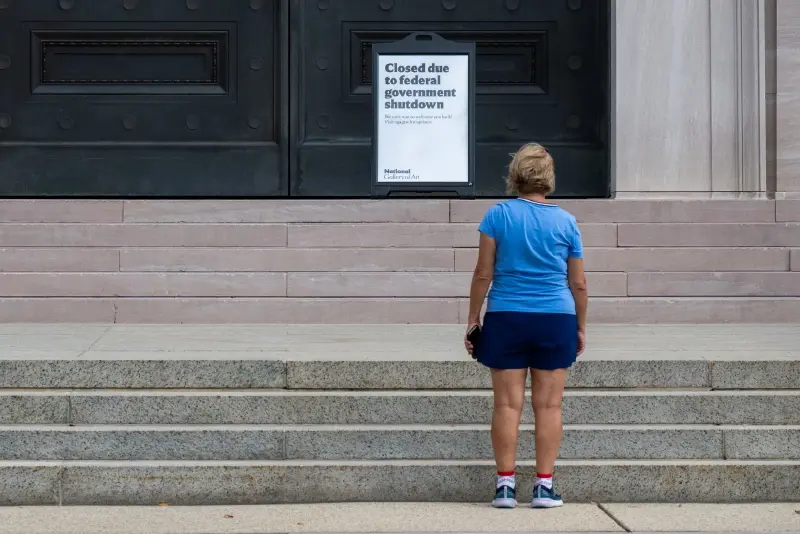


As Washington remains mired in a partisan battle over a potential government shutdown, economists warn that America’s most pressing danger is being ignored, its rapidly expanding national debt.
The dispute between President Donald Trump’s Republicans and opposition Democrats has centred on short-term funding and social spending, while long-term fiscal sustainability has largely vanished from the agenda.
The current impasse, the fifteenth since 1981, stems from Democrats’ push for higher expenditure totalling about US$1.5 trillion over the next decade, according to the nonpartisan Committee for a Responsible Federal Budget (CRFB). If approved, the measure would deepen the United States’ national debt, already hovering near US$38 trillion.
“We have immense structural problems, yet the parties are locked in a cycle of political messaging rather than confronting the fiscal reality,” said Maya MacGuineas, president of the CRFB.
Debt eclipses growth
While senators exchange rival budget proposals — Republicans seeking to extend funding through November and Democrats advocating more spending on healthcare — neither side has put forward a credible plan to shrink the US$2 trillion deficit.
Unlike earlier shutdowns sparked by disputes over fiscal discipline, recent standoffs have revolved around social issues such as immigration and healthcare. Analysts warn that this political drift has allowed the national debt to balloon from US$5.7 trillion to nearly US$38 trillion in just 25 years, regardless of which party governed.
Debt servicing costs now exceed US$1 trillion annually, outstripping US defence spending. Economists say this trend threatens to erode funding for key social programmes such as Social Security and Medicare, both of which are projected to run short of funds within the next decade.
“This is the illusion of crisis management,” said Senator Ron Johnson, a Republican from Wisconsin. “Everyone’s focused on the shutdown drama, while the real emergency — our US$37 trillion debt — grows unchecked.”
Blame game overshadows reform
Republicans, led by House Speaker Mike Johnson, have attacked Democratic spending priorities, warning they would deepen the deficit. Democrats, in turn, accuse Republicans of fiscal hypocrisy, pointing to the Trump-era tax cuts, which the Congressional Budget Office estimates will add US$4.1 trillion to the deficit over ten years.
The administration argues that tariffs introduced under Trump could eventually bring in a similar amount of revenue, but economists remain sceptical.
Some conservative lawmakers, including Senator Rand Paul, have consistently voted against their own party’s spending proposals, warning that both sides are fuelling a long-term fiscal collapse. Others, like Senator Roger Marshall, insist that only unified Republican control of government could deliver meaningful cuts to the US$6.4 trillion annual federal budget.
‘Sleepwalking into a crisis’
Independent analysts caution that the debt trajectory has placed the United States on an unsustainable path. Rising interest rates mean that debt is expanding faster than the economy, a dynamic that risks eroding confidence in the government’s ability to meet its obligations.
“We are sleepwalking into a debt crisis,” said Jessica Riedl, senior fellow at the right-leaning Manhattan Institute. “The consequences may take years to materialise, but today’s complacency guarantees that they will.”
Reuters
