
UNESCO Adds 72 New Cities to Global Learning Network
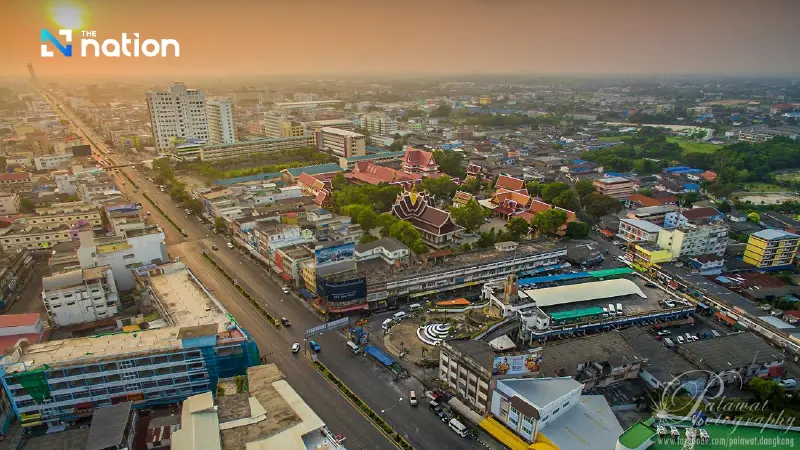


Three Thai provinces—Rayong, Satun, and Tak—join 425 cities worldwide committed to embedding education into everyday life, tackling AI, and driving economic growth
- UNESCO has added 72 new cities from 46 countries to its Global Network of Learning Cities (GNLC).
- The expansion brings the total number of cities in the network to 425, all recognized for their commitment to making lifelong education a reality for all residents.
- Member cities focus on embedding learning into daily life to achieve goals like reskilling workers, adapting to the AI era, and driving economic growth.
- The new inductees include three municipalities from Thailand (Rayong, Satun, and Tak) and mark the first time that 12 countries, including the USA and Iraq, have joined the network.
Three Thai provinces—Rayong, Satun, and Tak—join 425 cities worldwide committed to embedding education into everyday life, tackling AI, and driving economic growth.
UNESCO has announced a significant expansion of its Global Network of Learning Cities (GNLC), welcoming 72 new members from 46 countries, in recognition of their exceptional commitment to making lifelong education a reality for all residents at the local level.
Among the new inductees are three locations from Thailand: Rayong, Satun, and Tak Municipality. These cities have been recognised for their sustained efforts toward lifelong learning, backed by a proven track record of effective policy and practical initiatives.
With this expansion, the GNLC, launched in 2013, now boasts 425 cities across 91 countries, collectively supporting learning opportunities for nearly half a billion citizens worldwide.

Stefania Giannini, UNESCO assistant director-general for Education, praised the newcomers, stating that education must "transcend the classroom" and be a collective endeavour led by cities.
“The 72 new UNESCO Learning Cities announced today are redefining what it means to learn – turning every street, library, workplace, museum and home into a space for knowledge and innovation,” she said. “By making education a priority, from early childhood through adulthood, these cities are empowering people and unlocking opportunities for all.”
UNESCO Learning Cities are dynamic communities where learning is embedded into everyday life, focusing on practical outcomes such as reskilling and upskilling workers to meet evolving job market demands, providing literacy to adults, equipping citizens of all ages to "navigate and shape the AI era," and fostering entrepreneurial mindsets.

The new intake includes 11 capital cities and marks the first time 12 countries have joined the network, including Benin, the United States of America, and Iraq.
Examples of successful programmes cited by UNESCO include:
Porto-Novo (Benin): The Women’s Entrepreneurial Pathways Project combines literacy, vocational training, and microfinance to empower women in crafts and food processing.
Lisbon (Portugal): The City of Learning platform connects over 120 partners to map and offer 1,200 learning opportunities across the city.
Buenos Aires (Argentina): The Secondary Learns Programme is transforming secondary education through personalised pathways and interdisciplinary teaching, helping to reduce dropout rates.
The complete list of newly designated cities includes Hull and Durham in the United Kingdom, Cairo (Egypt), Riyadh (Kingdom of Saudi Arabia), Hanoi (Viet Nam), and Lowell (United States of America).
