
Thai academic lists 10 key developments in first 24 hours after US–Israel strikes on Iran
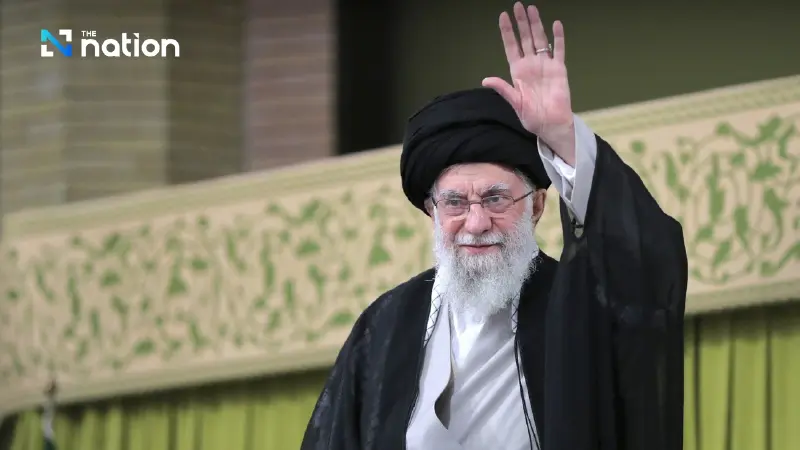


Thai academic Krissada Boonruang rounds up 10 developments from the first 24 hours after US–Israel strikes on Iran.
A freelance Thai academic has rounded up ten key developments from the first 24 hours after the United States and Israel jointly attacked Iran.
The ten key events (as of March 1) compiled by Krissada Boonruang were:
1. Formal confirmation of deaths
After initial denials, Iranian state media officially confirmed on March 1 that Ali Khamenei, along with several family members and top security advisers (including IRGC Commander-in-Chief Mohammad Pakpour), had been killed. The state declared 40 days of mourning and a seven-day national holiday.
2. Formation of the interim leadership council
To prevent a total administrative collapse, an emergency Provisional Leadership Council was established. It is currently led by President Masoud Pezeshkian, Chief Justice Mohseni-Ejei, and Alireza Arafi, as the Assembly of Experts scrambles to find a permanent successor under wartime conditions.
3. Iran launches missile strike on Beit Shemesh, Israel
The Iranian military launched a retaliatory missile strike that hit residential areas and a synagogue in the Israeli city of Beit Shemesh. Emergency services (MDA) confirmed nine fatalities and 28 injuries. This was the deadliest strike on Israeli soil during the current wave of escalation.
4. US casualties confirmed
CENTCOM confirmed the first American combat fatalities: three service members killed and five seriously wounded during Iranian retaliatory strikes on regional bases.
5. Heavy ‘second wave’ air strikes
The combined US–Israeli coalition launched a massive second wave of strikes in the early hours of Sunday. The Israel Defense Forces (IDF) reported striking more than 500 military targets, including strategic locations ‘in the heart of Tehran’. The primary focus was neutralising air defence systems and ballistic missile silos.
6. Iranian navy nearly decimated
President Trump said US forces destroyed Iran’s Naval Command Headquarters and had already sunk nine warships. He said the operation was moving rapidly and was currently ‘ahead of schedule’.
7. Global aviation hub shutdown
The threat of missile fire has paralysed major aviation hubs in Dubai and Abu Dhabi. Hundreds of international flights have been cancelled or rerouted, severing a key transit link between the West and Asia.
8. Strikes on Gulf neighbours
In a major escalation, Iran fired missiles at civilian and military infrastructure in the UAE, Bahrain, Qatar, and Kuwait, saying it was targeting countries hosting US assets. This widened the conflict into a multi-national regional war.
9. Violent global protests
Violent protests erupted in several countries. In Karachi, Pakistan, clashes between pro-Iranian protesters and police resulted in at least nine fatalities. In Baghdad, protesters attempted to storm the ‘Green Zone’ to attack the US Embassy, leading to intense confrontations involving heavy use of tear gas.
10. Assassination of high-ranking regime officials
Beyond the Supreme Leader, reports said more than 48 high-ranking Iranian officials had been killed. This list reportedly included former President Mahmoud Ahmadinejad, the Minister of Defense, and several top commanders of the IRGC—strikes that have effectively decapitated the regime’s primary command-and-control structure.
