
Pezeshkian says Iran wants reparations and guarantees to end war
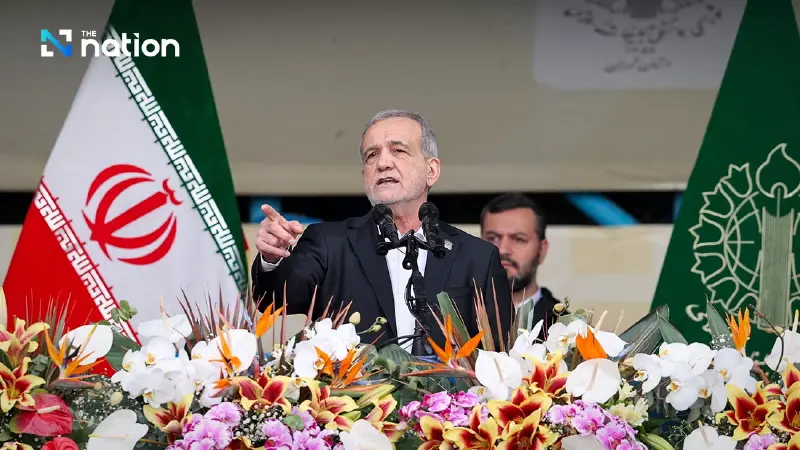


Iranian President Masoud Pezeshkian said Tehran sees recognition of its rights, reparations and firm international guarantees against future attacks as the conditions for ending the war with the United States and Israel, after speaking to the leaders of Russia and Pakistan.
Iranian President Masoud Pezeshkian said on Wednesday (March 11) that the only path to ending the war with the United States and Israel was for Iran’s “legitimate rights” to be recognised, for reparations to be paid and for firm international guarantees to be put in place against future aggression. He made the remarks in a post on X after speaking with the leaders of Russia and Pakistan, while reaffirming what he described as Iran’s commitment to regional peace.
Three demands laid out by Tehran
According to Xinhua, Pezeshkian set out three specific conditions for ending the conflict: recognition of Iran’s legitimate rights, payment of reparations and firm international guarantees against future aggression. His statement marked one of Tehran’s clearest public formulations yet of the terms it would want to see for the fighting to stop.

Pezeshkian did not spell out in the post what he meant by Iran’s “legitimate rights”, nor did he elaborate on the form any reparations or guarantees should take.
Message follows calls with Russia and Pakistan
The Iranian president said he had relayed the message in conversations with Russian President Vladimir Putin and Pakistani Prime Minister Shehbaz Sharif. Xinhua reported that Pezeshkian and Sharif discussed regional developments amid the US and Israeli attacks on Iran, while the Kremlin said Putin had called for an immediate halt to hostilities in a separate conversation with the Iranian leader.

Military warning came the same day
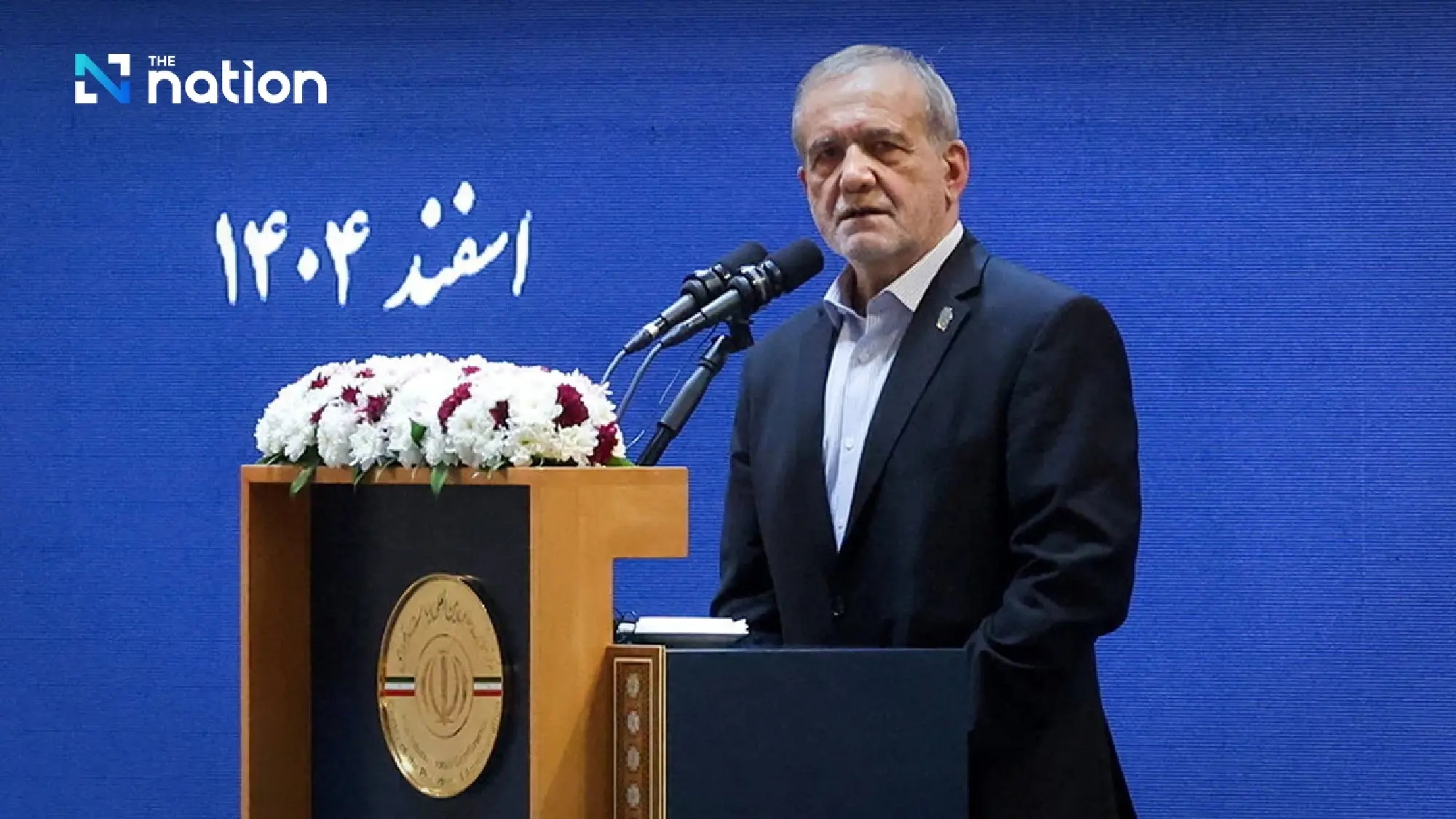
The diplomatic message came as Iran’s armed forces also issued a fresh warning over the conflict. Xinhua reported that Iranian military spokesman Abolfazl Shekarchi said Tehran would launch “massive retaliation” if the United States struck Iranian ports, adding that no port, economic centre or point in the Gulf would be out of reach.
Trump keeps hard line on surrender
The latest Iranian position stands in sharp contrast to Washington’s stance. Reuters reported on March 6 that US President Donald Trump said there would be no deal with Iran except “unconditional surrender”, underscoring the wide gap between the two sides as the war continues. Reuters separately reported on March 11 that Trump said the war would end soon and claimed there was “practically nothing left” to target in Iran.
Conflict now in its second week
The current war began on February 28, when Israel and the United States launched joint attacks on Tehran and other Iranian cities, according to Xinhua and Reuters. Both outlets reported that Iran’s then Supreme Leader Ali Khamenei was killed in the opening phase of the conflict, which has since triggered Iranian missile and drone retaliation across the region and intensified diplomatic efforts to prevent a wider escalation.
