
Israel claims Larijani, Basij chief killed in Tehran strike; Iran yet to confirm
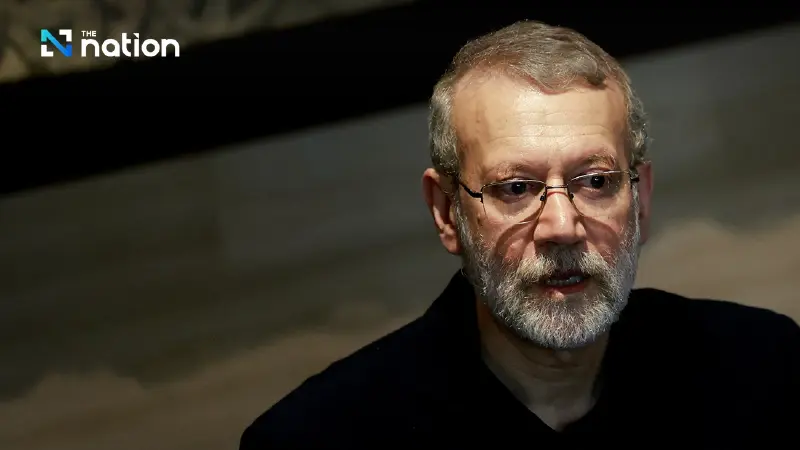


Israel says an overnight strike in central Tehran killed Ali Larijani and Basij commander Gholamreza Soleimani, but Iran had not officially confirmed the deaths as of March 17, leaving one of the war’s most consequential claims still unresolved
Israel said on Tuesday that an overnight air strike in Tehran killed Ali Larijani, secretary of Iran’s Supreme National Security Council, and Gholamreza Soleimani, commander of the Basij paramilitary force, in what would mark one of the biggest blows yet to Iran’s wartime leadership if confirmed. Al Jazeera carried the claim prominently on its Middle East live coverage, while Reuters and AP both reported that Iran had not officially confirmed the deaths by Tuesday.
Israel says strike was intelligence-led
According to Israeli officials cited by multiple outlets, the strike was carried out overnight in the Iranian capital and was described by Israel as a targeted operation based on precise intelligence. Israel’s Defence Minister, Israel Katz, publicly claimed Larijani had been killed, while the Israeli military separately said Soleimani was also dead. Reuters, however, reported that Larijani’s fate remained unclear, citing Israeli officials who said the outcome was still being assessed.
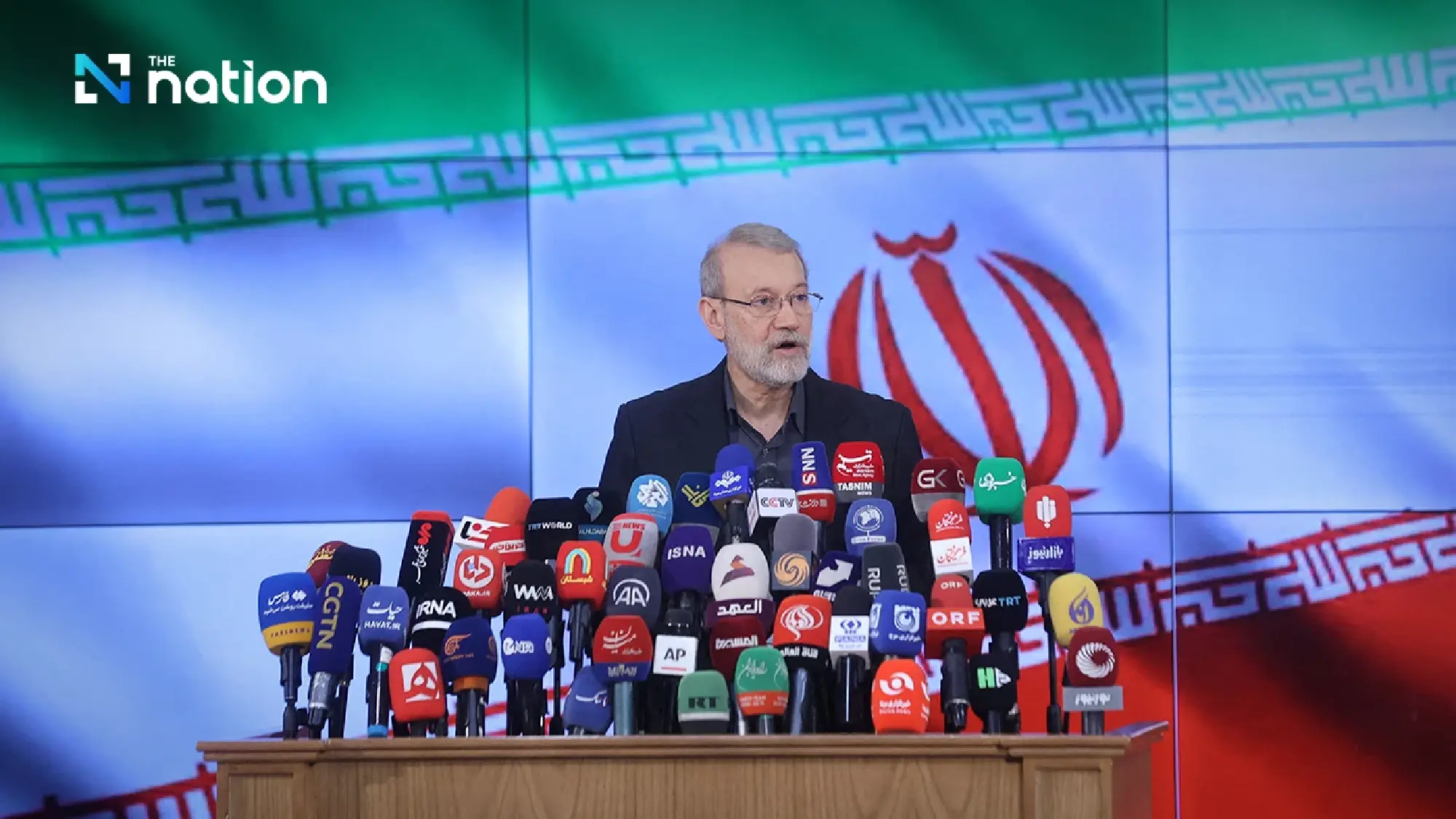

Iran has not verified the claim
The central uncertainty in the story is that Tehran had still not officially confirmed either death as of March 17. Reuters reported that Iranian state media published a handwritten note attributed to Larijani commemorating Iranian sailors killed in a separate incident, while AP reported that Iranian media said a message from Larijani’s office would be released shortly. That left open the possibility that the post was old, pre-written or published by aides, rather than clear proof he was alive.

Why the claim matters
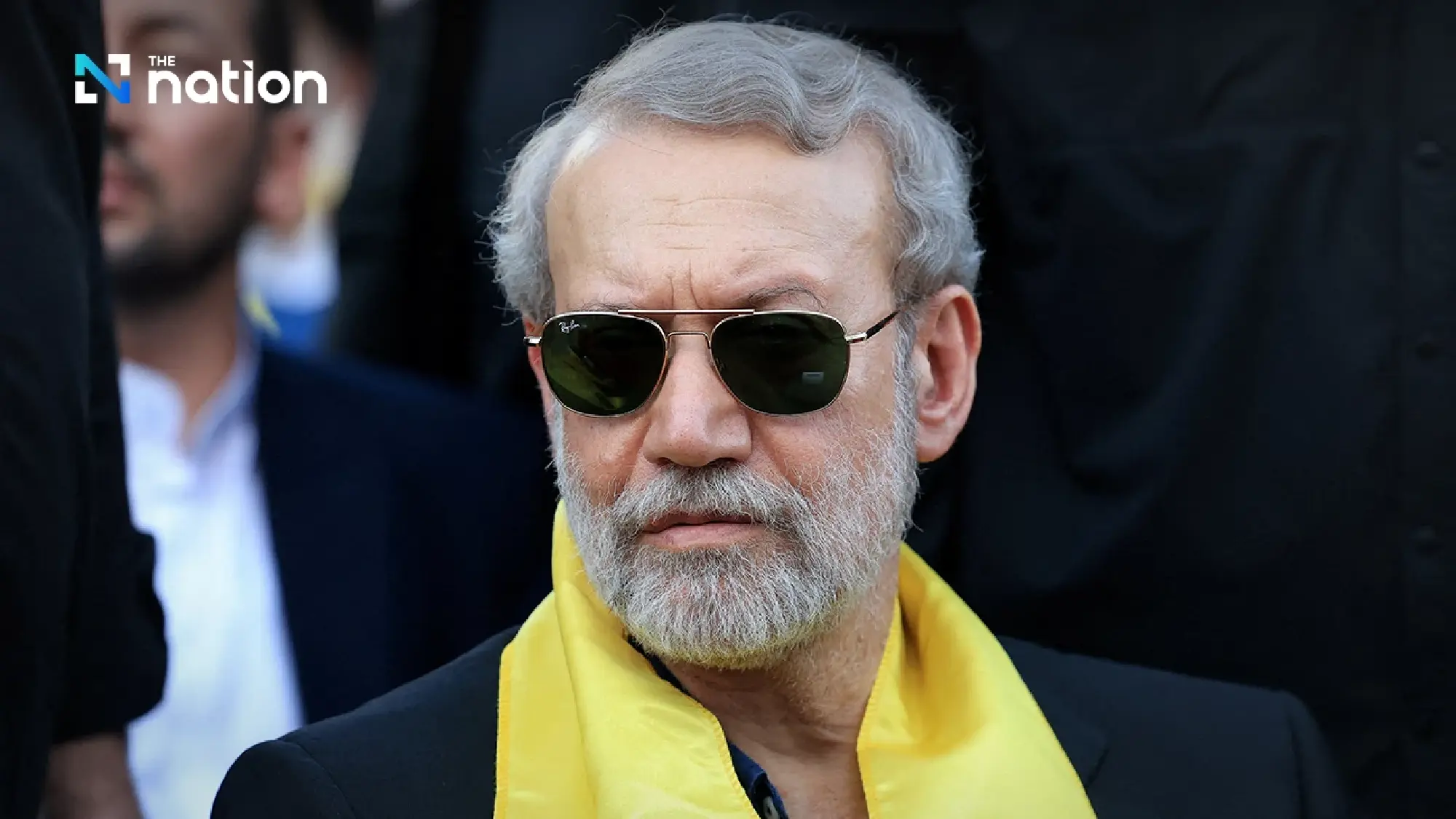
If confirmed, the deaths would amount to the most significant assassinations inside Iran since the conflict began on February 28, when Supreme Leader Ayatollah Ali Khamenei was killed, according to Reuters, Al Jazeera and AP. Reuters said Larijani would be the most senior Iranian figure killed since then, underscoring how high the stakes are for Tehran’s command structure.
Who Larijani and Soleimani are
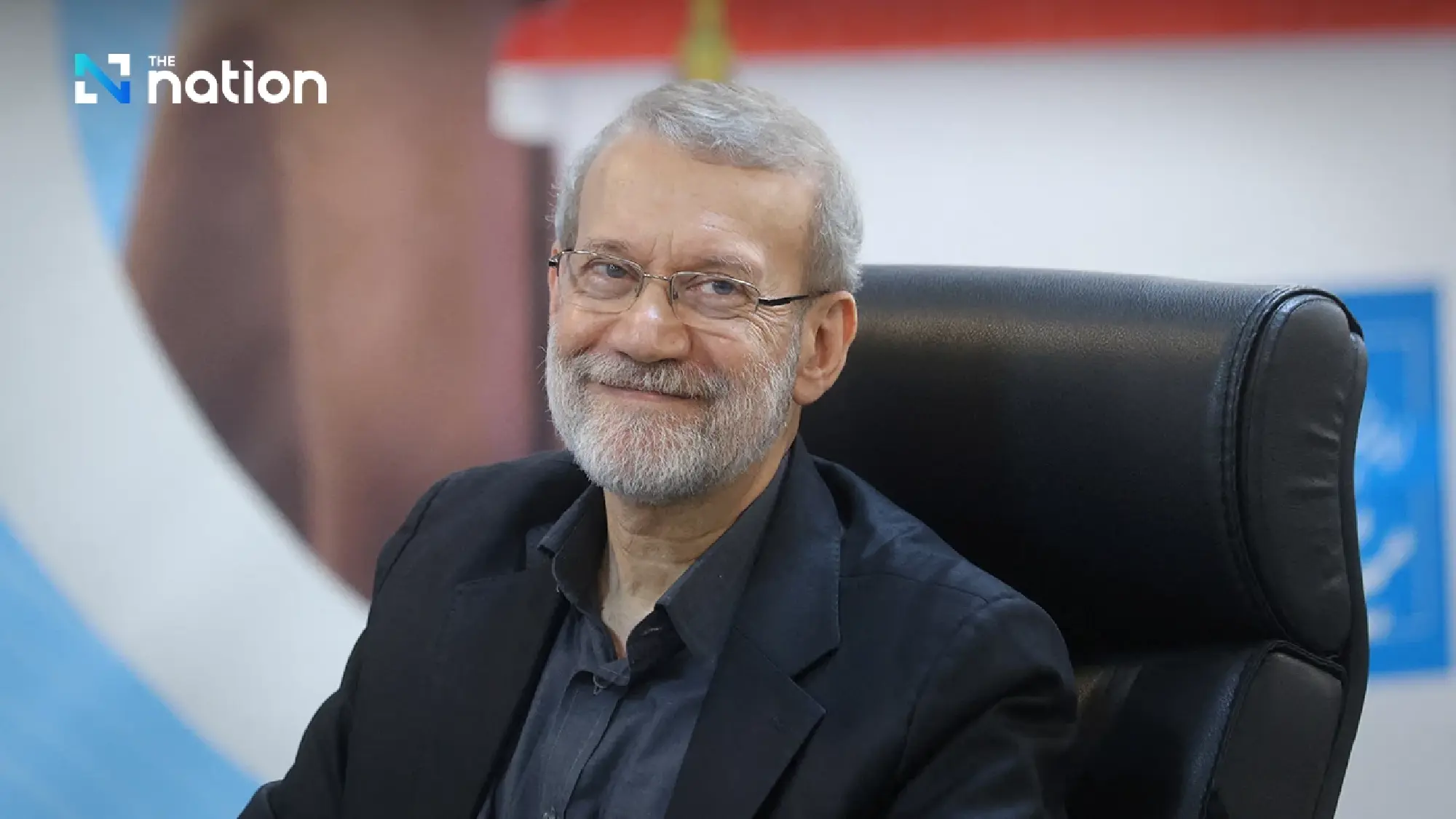
Larijani is one of the best-known figures in Iran’s political-security establishment, having previously served as a nuclear negotiator, state media chief and speaker of parliament before returning to the national security post. Soleimani heads the Basij, the volunteer paramilitary force aligned with the Islamic Revolutionary Guard Corps and long associated with Iran’s internal security apparatus.

A claim with major wartime implications
Even without Iranian confirmation, the Israeli claim alone is significant because it suggests Israel is still targeting the top tier of Iran’s political and security leadership in the capital itself. Confirmation from Tehran, or verifiable proof of life from Larijani, would likely determine whether this becomes the defining leadership strike of the war’s third week or remains a disputed wartime claim.
