
US counterterrorism chief resigns over Iran war stance
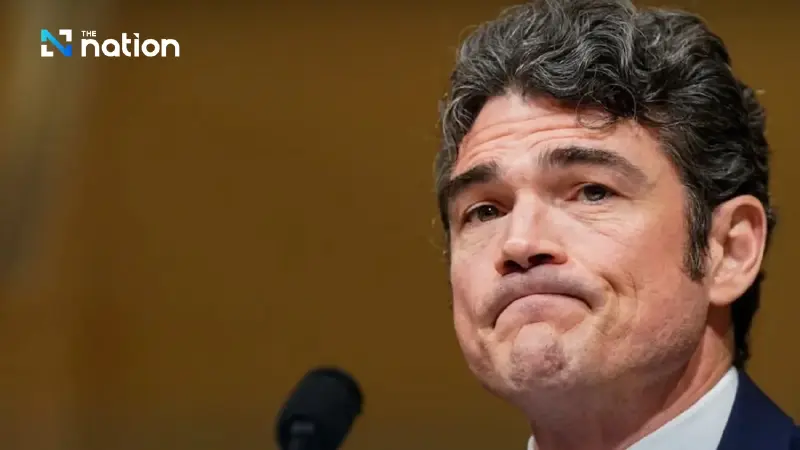


US counterterrorism director Joe Kent resigns, saying Iran is not an imminent threat, as Middle East war escalates and global economic risks deepen
The conflict between the United States, Israel and Iran continues to intensify, with a major development emerging as Joe Kent, director of the US National Counterterrorism Center, announced his resignation. He cited his inability to support the war with Iran, arguing that the country does not pose an imminent threat to the United States.
In a letter shared on social media, Kent stated that the decision to enter the conflict had been influenced by pressure from Israel and political interest groups. He also questioned whether the move complied with international law, which generally requires the presence of an “imminent threat” to justify the initiation of war.

However, the White House under President Donald Trump rejected these claims. Spokesperson Karoline Leavitt said the president had “clear and compelling” evidence that Iran was preparing to attack the United States.
At the same time, Democratic Senator Mark Warner voiced partial support for Kent’s position, stating that there was insufficient credible evidence of an imminent threat from Iran to justify military action.
Conflict escalates, raising global risks
The situation in the Middle East has now entered its third week, with thousands reported dead and no clear signs of de-escalation. Iran has rejected ceasefire proposals, while the new Supreme Leader, Mojtaba Khamenei, has taken a hardline stance, declaring that negotiations would not take place unless the United States and Israel conceded defeat.
Israeli Prime Minister Benjamin Netanyahu said military operations had killed several key Iranian figures, including Ali Larijani and Gholamreza Soleimani, although Iran has not confirmed all reported deaths.
The fighting has expanded into key strategic areas, particularly the Strait of Hormuz, a vital global energy shipping route that remains blocked. Oil prices have risen by more than 45% since the conflict began.
The European Union has warned that a prolonged conflict could trigger global crises in food, energy and inflation, while many NATO allies have declined to participate in military operations.
Regional damage and impact
Iran has retaliated with missile and drone strikes against Gulf countries, including the United Arab Emirates, damaging energy infrastructure and ports. The Fujairah port, a key oil export hub, has been among the sites affected.
On the Israeli side, air raid sirens have sounded in multiple cities, including Tel Aviv, reflecting Iran’s long-range strike capabilities despite weeks of sustained attacks.


