
Trump threatens to destroy Iran oil sites if Hormuz not reopened immediately
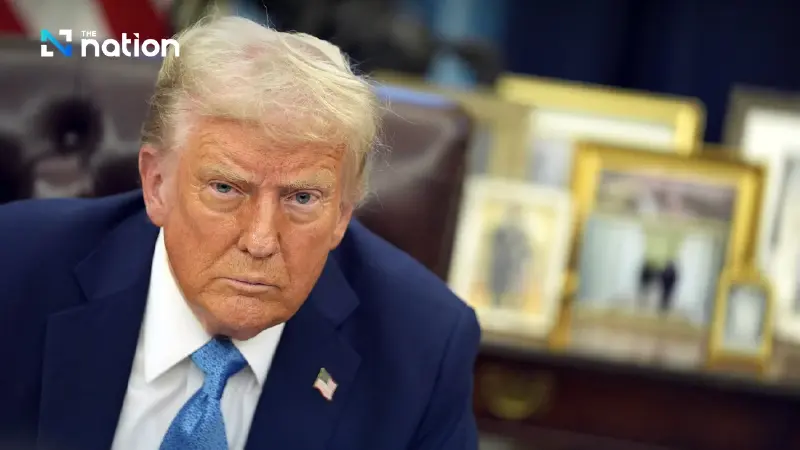


Trump warns US could strike Iran’s Kharg Island and oil infrastructure if Strait of Hormuz remains closed, as tensions escalate in week five of conflict
Donald Trump has threatened to destroy Iran’s critical energy infrastructure, including oil fields, power plants and Kharg Island, if Tehran does not immediately reopen the Strait of Hormuz and reach a peace agreement quickly.
In a post on his Truth Social platform on Monday (March 30, 2026), Trump said the United States was engaged in serious discussions with what he described as a “more reasonable new regime” in Iran aimed at ending US military operations.
He warned that negotiations had made significant progress, but cautioned that if an agreement is not reached soon — and if the Strait of Hormuz is not reopened “for business” immediately — the US would escalate its response.
“We will end our ‘wonderful stay’ in Iran by blowing up all power plants, oil wells and Kharg Island (and perhaps all desalination plants as well!),” he wrote, adding that such infrastructure had so far been deliberately avoided.
The remarks come as the conflict involving Iran enters its fifth week, with Washington reportedly weighing the deployment of ground forces, including a possible operation to seize Kharg Island — a critical hub at the heart of Iran’s oil export system.

Approximately 90% of Iran’s oil exports are loaded onto tankers at Kharg Island before transiting through the Strait of Hormuz. The island is estimated to handle around 7 million barrels of oil per day.
Shipping through the strait has effectively been disrupted since the United States and Israel launched strikes on Iran on February 28. Iran has since responded by targeting vessels attempting to pass through the waterway, with multiple incidents reported in recent weeks.
Oil prices rose on Monday, with Brent crude on track for its sharpest monthly gain in recent weeks, reflecting growing concerns over supply disruptions in one of the world’s most critical energy corridors.
Iran has not officially responded to Trump’s latest remarks. However, hours earlier, a spokesperson for Iran’s foreign ministry described elements of a US-proposed 15-point plan as “excessive and unreasonable”, while Iranian leaders denied engaging in direct negotiations with Washington.
Meanwhile, the US military has begun reinforcing its presence in the Middle East, deploying thousands of paratroopers from the 82nd Airborne Division as tensions continue to escalate.

US officials said additional forces — including command units, logistics elements and brigade-level combat troops — are being positioned in the region, alongside naval forces, marines and special operations units. Around 2,500 marines reportedly arrived over the weekend.
The deployments come as Trump considers broader strategic options, including expanding military operations. One scenario under discussion is securing Kharg Island, though such a move carries significant risk given Iran’s missile and drone capabilities.
There are also discussions about deploying forces along Iran’s coastline to safeguard shipping routes through the Strait of Hormuz, a vital artery for global energy trade.
Trump said the US remains engaged in negotiations with elements inside Iran he described as more “reasonable”, but reiterated that failure to reopen the strait could trigger direct strikes on Iran’s energy infrastructure.
Separately, the White House indicated that Washington is exploring ways for Arab nations to share the financial burden of the conflict, even as diplomatic talks with Iran continue in a cautiously positive direction despite increasingly hardline public rhetoric from Tehran.
However, the prospect of deploying US ground forces — even in a limited capacity — remains politically sensitive, as public support is low and such a move would run counter to Trump’s earlier campaign pledges to avoid new conflicts in the Middle East.
Since the start of military operations on February 28, US forces have struck more than 11,000 targets, with over 300 personnel wounded and 13 killed, underscoring the scale and intensity of a conflict that shows no sign of ending in the near term.

