
US-Iran clash reignites fears over Strait of Hormuz
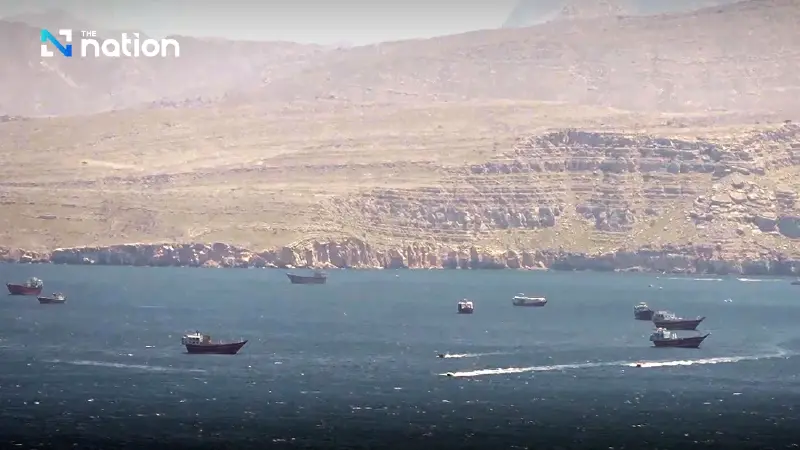


Fresh tensions surge after US seizes Iranian vessel and Tehran rejects talks, fuelling fears of disruption in the vital Strait of Hormuz oil route
More than 20 vessels successfully passed through the Strait of Hormuz on Saturday, marking the highest level of traffic through the strategic waterway since March 1, according to data from shipping analytics firm Kpler.
Among the ships that navigated the strait were five carrying cargoes loaded in Iran, including oil products and metals. Three liquefied petroleum gas (LPG) carriers were also identified, with destinations including China and India.
Other vessels included the Panama-flagged tanker Crave, transporting LPG from the United Arab Emirates to Indonesia, and two tankers, Akti A and Athina, carrying refined petroleum products from Bahrain to Mozambique and Thailand respectively.
Additional shipments included around 500,000 barrels of UAE naphtha aboard the Liberian-flagged Navig8 Macallister bound for South Korea, and approximately 2 million barrels of Saudi crude carried by the Very Large Crude Carrier Fpmc C Lord to Taiwan.

Mounting anxiety over the future of the Middle East ceasefire, however, deepened on Monday after the United States said it had seized an Iranian cargo ship accused of attempting to breach its blockade, prompting Tehran to threaten retaliation.
The incident dealt a fresh blow to hopes that the fragile truce between Washington and Tehran could hold beyond Tuesday, when the current ceasefire is due to expire. It also cast further doubt over wider efforts to turn the temporary halt in fighting into a more durable settlement, after Iran said it would not join a second round of talks that the US had hoped to launch before the deadline.
At the centre of the crisis is the Strait of Hormuz, the strategic waterway through which roughly one-fifth of global oil supply normally passes. While the US has continued its blockade of Iranian ports, Iran has alternated between easing and reimposing restrictions on maritime traffic through the strait, adding to volatility across energy markets.
According to the US military, the confrontation unfolded on Sunday when an Iranian-flagged cargo vessel sailing towards Bandar Abbas became the target of a six-hour standoff. American forces opened fire, disabled the ship’s engines and then sent marines down from helicopters to board it, US Central Command said.
President Donald Trump later declared on social media: “We have full custody of their ship, and are seeing what’s on board!”
Iranian military officials said the vessel had been travelling from China and condemned the operation in the strongest terms. “We warn that the armed forces of the Islamic Republic of Iran will soon respond and retaliate against this armed piracy by the U.S. military,” a military spokesperson said, according to state media.

The fallout was immediate. Oil prices surged more than 5% and stock markets turned shaky as investors feared the ceasefire could unravel, leaving Gulf shipping severely constrained once again.
Tehran then moved to harden its stance further, with Iranian state media reporting that it had rejected fresh peace talks altogether. The reasons cited included the continuing blockade, increasingly hostile rhetoric from Washington and what Iran described as shifting US positions and “excessive demands”.
Iran’s First Vice President Mohammadreza Aref sharpened that message in a social media post, writing: “One cannot restrict Iran’s oil exports while expecting free security for others.” He added: “The choice is clear: either a free oil market for all, or the risk of significant costs for everyone.”
The diplomatic mood has been further poisoned by Trump’s earlier warning that the United States would destroy Iran’s bridges and power plants if Tehran refused his terms. Iran, in turn, has warned that any US attack on its civilian infrastructure would trigger strikes on power stations and desalination plants in Gulf Arab states hosting American bases.
Even so, Washington had appeared to be pressing ahead with preparations for new talks in Islamabad. Trump said his envoys would arrive in the Pakistani capital on Monday evening, just one day before the two-week ceasefire expires.
But signals from the US side were mixed. A White House official told Reuters that the delegation would be led by Vice President JD Vance, alongside envoy Steve Witkoff and Trump’s son-in-law Jared Kushner. Trump, however, later told ABC News and MS Now that Vance would not be going.
Pakistan, acting as the main mediator, appeared to be preparing regardless. Two large US C-17 military cargo aircraft landed at an air base on Sunday carrying security equipment and vehicles, according to two Pakistani security sources. Authorities in Islamabad suspended public transport and heavy-goods traffic, while barbed wire was rolled out near the Serena Hotel, the venue for the previous round of talks. The hotel also ordered guests to leave.
Iranian Parliament Speaker Mohammad Baqer Ghalibaf, who has led Tehran’s negotiating effort, had previously said the two sides had made some progress but remained deeply divided over nuclear issues and the Strait of Hormuz.
European allies, already frustrated by Trump’s repeated criticism of their role in the conflict, are said to be concerned that the US negotiating team is pursuing a quick political fix that could leave the hardest technical issues unresolved for months or even years.
Now in its eighth week, the war has unleashed what is being described as the most severe shock to global energy supplies in history, with oil prices driven sharply higher by the effective closure of the strait.
The human toll has also continued to mount. Thousands have been killed in US-Israeli strikes on Iran and in Israel’s parallel invasion of Lebanon since the conflict began on February 28. Iran has responded with missile and drone attacks on Israel and nearby Arab countries that host US military bases.
In a further sign of rising internal tension, Iran’s judiciary-linked Mizan news outlet reported on Sunday that two men convicted of working with Israel’s Mossad intelligence agency and plotting attacks inside the country had been executed.
