
Trump extends US-Iran ceasefire indefinitely to keep talks alive
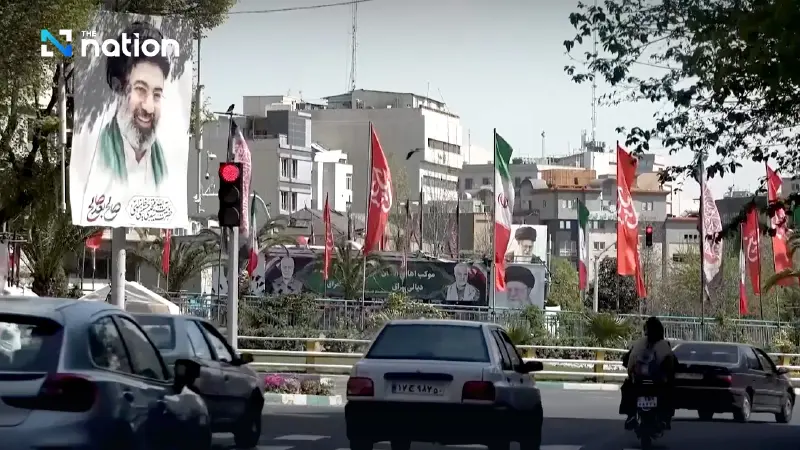


Trump says the US will keep its ceasefire with Iran in place without a fixed end date as Washington pushes for more time to secure a deal
US President Donald Trump said Washington would extend its ceasefire with Iran indefinitely, throwing a last-minute lifeline to a diplomatic process that remains fragile and deeply uncertain.
The announcement came only hours before the truce had been due to expire, as the White House sought to keep negotiations alive rather than allow fighting to resume.


According to Reuters, Trump said the ceasefire would remain in place until Iran submits a proposal and the current discussions are concluded.
The extension was presented as a way to create more space for talks after Pakistan, which has been involved in mediation efforts, pushed for more time.
Pakistan Prime Minister Shehbaz Sharif later welcomed the move and said he hoped both sides could turn the truce into a broader peace deal through further negotiations in Islamabad.


The ceasefire itself had never looked entirely secure. The two-week truce was clouded by uncertainty from the outset, with neither Iran nor Israel giving the kind of clear mutual affirmation that would normally signal a stable pause in hostilities. That ambiguity has continued even after Trump’s latest announcement.
Iran did not issue an official endorsement of the extension, and the reaction from Tehran remained guarded. An adviser to Iran’s lead negotiator dismissed Trump’s move as a tactic to buy time, suggesting it could be used to prepare for another surprise strike rather than to build genuine diplomatic momentum.
That scepticism reflects the wider mistrust surrounding the talks. Iran was still weighing whether to join the next round of negotiations and had not made a final decision on how to proceed, even as diplomatic contacts continued. Iranian officials have also pointed to what they see as continuing US pressure as a major obstacle to meaningful progress.
Trump’s latest stance also appeared to sit uneasily alongside his own tougher rhetoric. In a CNBC interview cited by Reuters, he said he did not want to prolong the ceasefire and signalled that military action could resume if an agreement is not reached soon. That contrast underlined how quickly the political messaging around the truce has shifted, even as Washington insists it still wants a deal.


For now, the extension keeps diplomacy alive, but it has not removed the risk of renewed confrontation. The ceasefire remains in force, yet the absence of firm mutual guarantees, the continued distrust between Washington and Tehran, and uncertainty over the next round of talks all suggest that any path to a lasting settlement is still far from secure.
At the same time, Washington has continued to tighten pressure elsewhere. Reuters reported that the US imposed new sanctions on 14 people and companies accused of helping Iran obtain weapons, underscoring that even while the ceasefire has been extended, the broader confrontation between the two sides is far from over.
