
Ireland turns to targeted policy interventions as living costs rise


Ireland shifts to targeted aid over subsidies, deploying €750M to curb costs, boost energy resilience, and maintain fiscal flexibility amid global uncertainty.
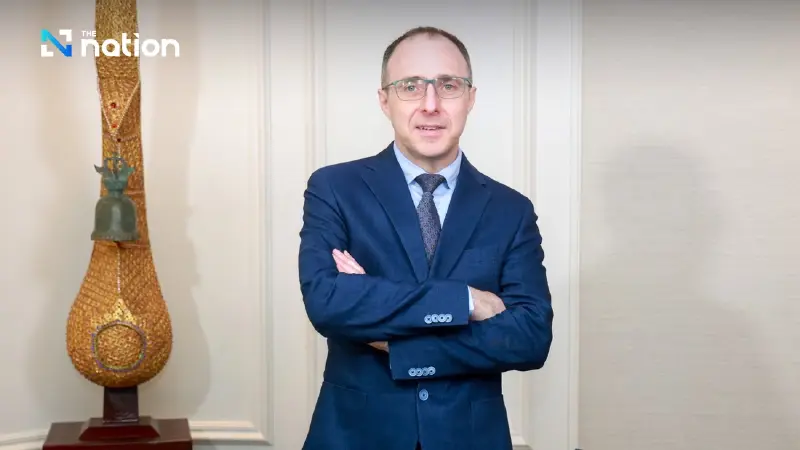
Ireland is moving away from broad-based subsidies toward more targeted support as it confronts rising living costs and global uncertainty, Minister of State for Finance Robert Troy said in an exclusive interview with The Nation Thailand during his visit to Bangkok.
Troy underscored government policies to implement targeted interventions amid the limits of public spending. “Irish government has introduced targeted supports to keep prices lower, for example, excise duty on petrol and diesel,” he added.
Against a backdrop of persistent inflation and geopolitical tensions, particularly in the Middle East, Ireland has opted for a more calibrated approach.
Rather than across-the-board subsidies, the government has deployed more than €750 million in targeted measures aimed at sectors most exposed to energy price increases.
The approach reflects a broader policy rethink also underway in Thailand, where authorities are reassessing long-standing reliance on blanket energy subsidies.
The country’s Oil Fuel Fund, used to stabilise retail fuel prices, has seen deficit of over 62 billion baht as of April 20, amid prolonged global volatility.
While the two economies differ in structure, Troy noted that the underlying challenge is shared.
Ireland expects inflation to hover around 3 to 4%, according to its central bank, though Troy cautioned that risks remain if energy prices rise further. That uncertainty, he said, reinforces the need for flexibility in policy design rather than large, open-ended spending commitments.
Looking beyond short-term relief, Ireland is also investing in longer-term energy resilience, according to the minister, noting that plans include upgrading the national grid and advancing an electricity interconnector with France to diversify supply and enhance competition.
The country is simultaneously accelerating renewable energy development, particularly in offshore wind and solar, while keeping all options on the table.
For Thailand, which remains heavily dependent on imported fossil fuels, such efforts underscore the importance of reducing exposure to global market shocks and building a more diversified energy mix.
Troy also highlighted Ireland’s longer-term fiscal strategy, noting that windfall corporate tax revenues are being channelled into infrastructure and climate-focused funds rather than used for recurring expenditure.
This contrasts with Thailand’s more immediate-use mechanisms, which are often deployed to stabilise prices in the short term, reflecting differing fiscal pressures and policy priorities.
Troy’s visit also signals Ireland’s growing interest in Southeast Asia, particularly in financial services and financial technology.
With negotiations for a Thailand–EU free trade agreement ongoing, he said there is significant potential to deepen trade and investment ties.
