
Japan’s Golden Week tourism strained by falling water levels


Boat tours, hot spring operators and lakeside businesses are cutting hours or changing routes as low rainfall keeps water levels down.
- Water shortages resulting from low rainfall are disrupting tourism businesses in popular Japanese destinations during the Golden Week holiday.
- Sightseeing boat operators, particularly around Mount Fuji and in Nikko, have been forced to suspend services or alter routes as low water levels prevent docking.
- The water shortage is also affecting hot spring facilities, causing some to close their open-air baths, reduce operating days, and experience a decline in visitors.
Tourism businesses in several parts of Japan are facing disruptions during the Golden Week holiday, as water shortages linked in part to low rainfall since last summer continue to affect popular destinations.
Operators of sightseeing boats, hot spring facilities, and other local services have shortened opening hours, changed routes or suspended parts of their operations.
Around Mount Fuji, lake levels have been falling since last year. Fujigoko Kisen, which runs sightseeing boats in the area, has halted its services on Lake Motosu and adjusted its tours on Lake Kawaguchi.
“Water levels have rarely fallen that much,” said Kazuya Fujii, 57, head of the operator. “Although there are problems, including water shortages and soaring fuel prices, we hope many visitors will come this year as well.”
In Nikko, Tochigi Prefecture, northwest of Tokyo, Lake Chuzenji has also been affected. The low water level has made it impossible for boats to dock at piers. Tobu Kogyo Co.’s sightseeing boat business normally runs routes serving three piers, but those stops have now been removed.
“Our customers may feel inconvenienced,” said Kazuyuki Yamada, 60, deputy manager of the business. He added that the situation also offers visitors a chance to view an unusual landscape. “We’ll work while looking on the positive side,” he said.
A boat rental operator at the lake has set up a new dock at a spot where the water remains deep enough. “(The new dock) is farther away, so we’re using three times more energy than before,” said Hirokazu Okamoto, its 56-year-old chief.
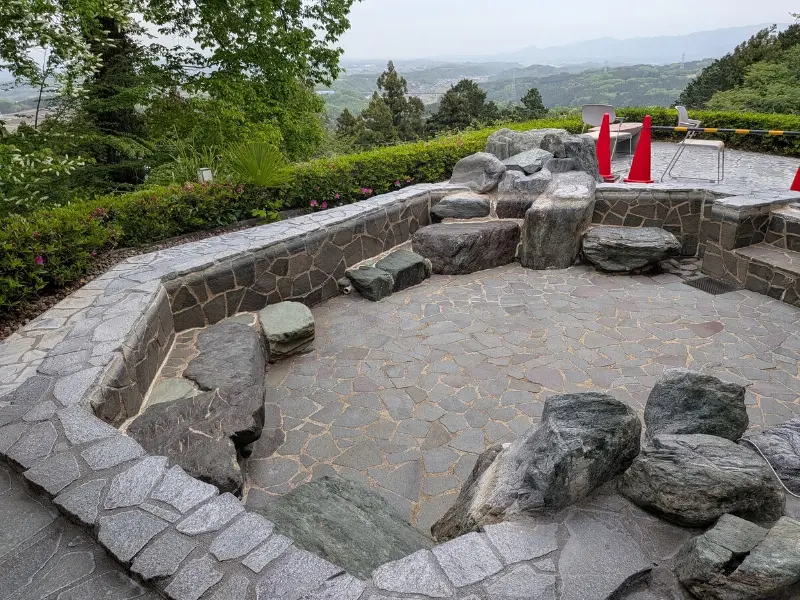
The shortage is also affecting hot spring operators. In Tomioka, Gunma Prefecture, north of Tokyo, one hot spring facility has kept its two open-air baths closed since March and is operating only its indoor baths. It has also increased its weekly closing days from one to two. Visitor numbers in March fell to about 70 to 80 per cent of the level seen a year earlier.
“We’re really in trouble, with no prospects for future operations,” said Ryoichi Arai, a 66-year-old senior official of the city’s tourism association.
Some facilities elsewhere have managed to restart services. In Chikuhoku, Nagano Prefecture, central Japan, water supply restrictions introduced in mid-February were lifted on March 31.
“We’re grateful” for the end of the restrictions, said Fumito Otsuka, 74, who works at a hot spring facility in the village. He said the improvement followed water-saving efforts by residents.

[Copyright The Jiji Press, Ltd.]
