
Japan eyes Mercosur trade deal to strengthen economic security


Tokyo sees a pact with South America's Mercosur bloc as a way to broaden markets and secure key materials amid US tariffs and China export curbs.
- Japan is pursuing trade negotiations with Mercosur, the South American trade bloc, to establish an economic partnership.
- The primary motivation is to strengthen Japan's economic security by diversifying export markets and supply chains for essential materials like rare earths, reducing reliance on the US and China.
- The potential deal faces internal caution from Japan's agricultural sector, which is concerned about competition from low-priced imports such as beef from Mercosur nations.
- Despite this internal concern, growing trade uncertainty caused by US tariffs is increasing support within Japan for starting the negotiations.
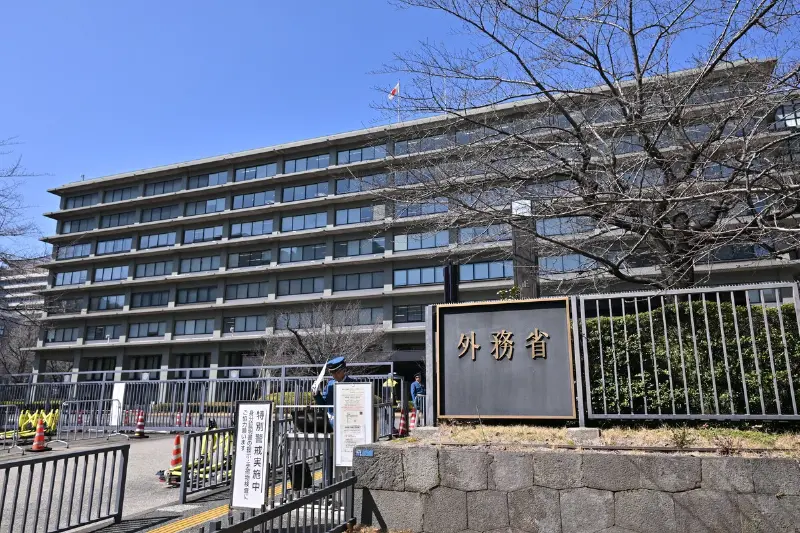
The Japanese government is moving towards opening trade negotiations with Mercosur, South America’s trade bloc, in hopes of reaching an economic partnership agreement, Jiji Press learnt Sunday (May 3).
Informed sources said the plan reflects Tokyo’s view that Japan must widen export markets and diversify supply chains for essential materials as it faces US President Donald Trump’s tariff policy and China’s restrictions on rare earth exports.
Japanese business circles have urged the government to begin talks with Mercosur at an early date. One reason is that rare earths are vital for many products, including automobiles and precision instruments.
A Japanese government official, citing worries over the prolonged impact of the US-Iran conflict, said, “Now is a good time (to launch trade talks with Mercosur) from a perspective of economic security.”
Japan and Mercosur began a strategic partnership framework last December. Earlier this year, the two sides held two meetings under the framework, discussing stronger cooperation in trade and investment as well as fields that could be covered by a possible trade agreement.
Support for a Japan-Mercosur trade pact is particularly strong among Mercosur members. Brazil, Argentina and Uruguay are major suppliers of beef, chicken and soybeans to Japan.
Inside Japan’s ruling Liberal Democratic Party, however, lawmakers with close ties to the farm sector have been cautious about trade talks with Mercosur. They fear that low-priced beef and other products from the region could deal a serious blow to domestic producers.
Still, the trade climate has shifted sharply over the past year, as higher US tariffs have created uncertainty over free trade initiatives. Within the LDP, sentiment in favour of accepting talks with Mercosur is now spreading.
“I would tolerate the start of negotiations,” said an LDP heavyweight linked to the agricultural industry. “Depending on negotiations, there could be ways to avoid affecting (Japanese) beef and other producers.”
Mercosur, formally the Southern Common Market, was launched in 1995. Its current members are Argentina, Bolivia, Brazil, Paraguay and Uruguay. The bloc has a population of about 300 million and a combined gross domestic product of 3 trillion dollars.
In January, Mercosur and the European Union signed a free trade agreement.

[Copyright The Jiji Press, Ltd.]
