
Remembering Marsha P. Johnson, the Black trans pioneer who helped shape modern Pride
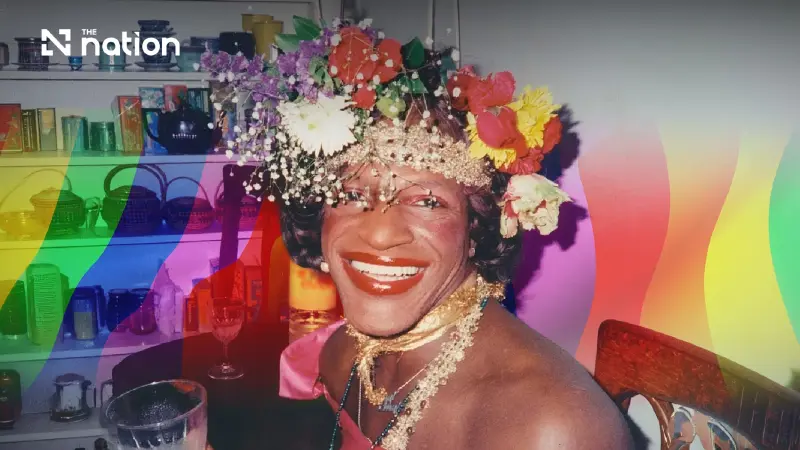


Marsha P. Johnson, a Black transgender activist and self-identified drag queen, helped shape the modern LGBTQ+ rights movement through Stonewall, STAR House and decades of grassroots care.
Every June, as Pride flags rise across cities around the world, the name of Marsha P. Johnson returns to the centre of LGBTQ+ memory — not as a distant historical figure, but as one of the people who helped turn survival, visibility and protest into a movement.
Johnson, a Black transgender activist, self-identified drag queen and performer, spent much of her life fighting for people pushed to the edges of society in New York City. She advocated for homeless LGBTQ+ youth, people affected by HIV and AIDS, gay and transgender rights, and those who were often excluded even from mainstream rights movements.
Her legacy is inseparable from the Stonewall uprising of 1969, the creation of Street Transvestite Action Revolutionaries, known as STAR, and the long struggle to ensure that Black trans women and gender-nonconforming people are recognised as foundational figures in the history of modern Pride.

A life lived in defiance and care
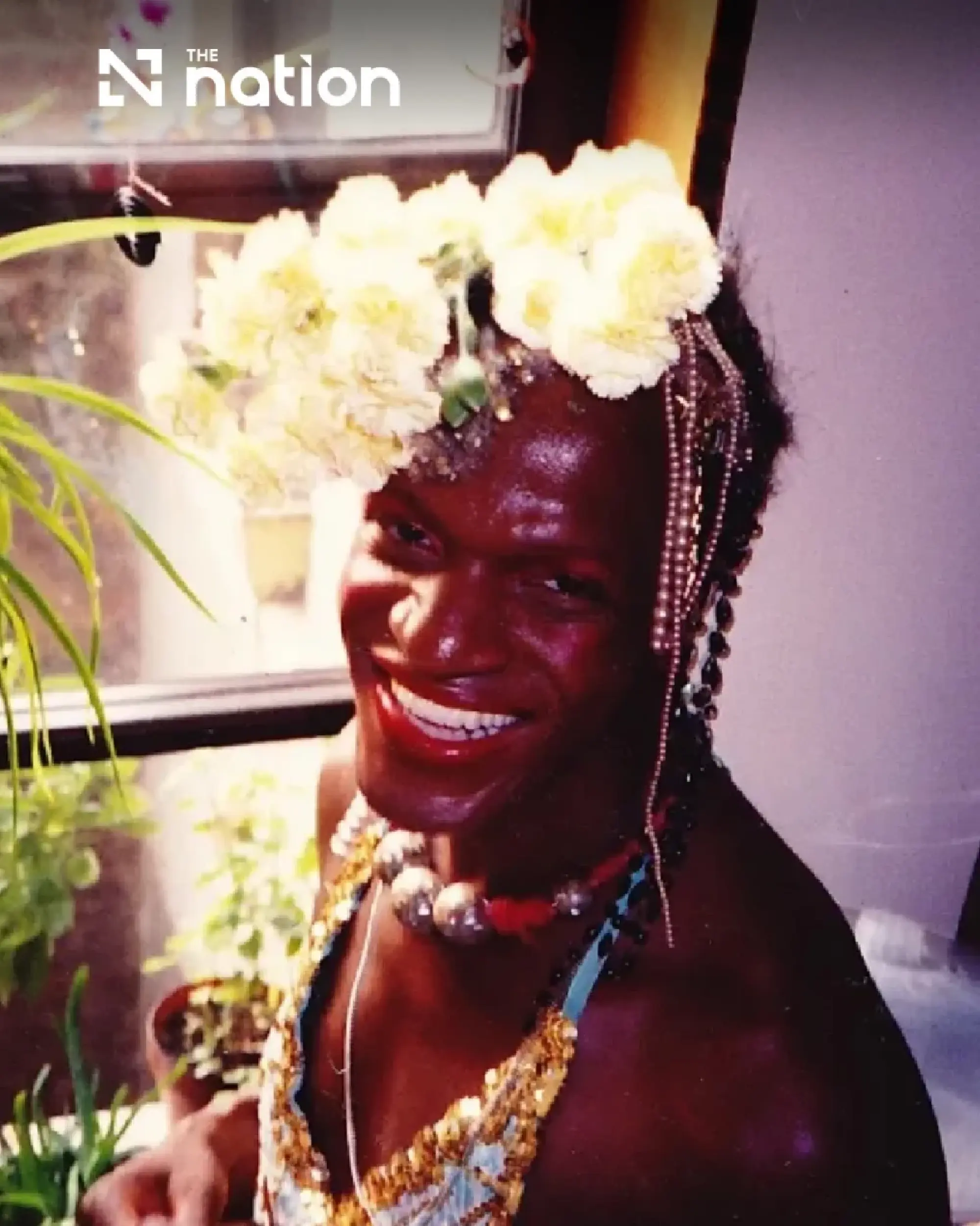
Born in 1945 in Elizabeth, New Jersey, Johnson moved to New York City as a young adult and became a beloved figure in Greenwich Village’s queer community. She was known for her bright outfits, warm humour, flower crowns and refusal to shrink herself to fit the expectations of others.
Her middle initial, “P”, famously stood for “Pay It No Mind” — the phrase she used when people questioned her gender, appearance or identity. The phrase is now built into the design of Marsha P. Johnson State Park in Brooklyn, a lasting tribute to the spirit with which she moved through the world.
Yet Johnson’s public joy did not mean her life was easy. She faced poverty, homelessness, policing and discrimination, but responded with a politics rooted not only in protest, but also in care. Her activism was grounded in a simple but radical belief: the people most abandoned by society deserved food, shelter, dignity and protection.

Stonewall and the birth of a new movement
On June 28, 1969, police raided the Stonewall Inn in Greenwich Village, a gathering place for LGBTQ+ people at a time when queer life was heavily policed and criminalised. This time, the community resisted. The uprising that followed lasted several nights and became a turning point in the modern LGBTQ+ rights movement.
Johnson is widely remembered as one of the most prominent participants in the Stonewall uprising, although historians continue to treat specific accounts of that night with care because memories differ. What is clear is that Johnson became one of the best-known faces of the post-Stonewall liberation movement and helped carry its energy into organised activism.
Stonewall was not the first act of queer resistance in the United States, but it became the spark that helped transform cautious campaigns for acceptance into a louder movement demanding liberation, equality and visibility.
A year later, on June 28, 1970, activists held the first Christopher Street Liberation Day March in New York to mark the anniversary of Stonewall. That march became a predecessor of today’s Pride marches around the world.
STAR House and the politics of shelter
For Johnson, liberation was never only about slogans. In 1970, she and her close friend Sylvia Rivera co-founded Street Transvestite Action Revolutionaries, or STAR, one of the earliest organisations led by trans and gender-nonconforming activists in the United States.
STAR provided support for homeless queer and trans youth at a time when many had been rejected by their families, schools and communities. Johnson and Rivera helped create STAR House, a basic refuge on Manhattan’s Lower East Side where young people could find food, shelter and a measure of safety.
Today, activists often look back at STAR as an early model of mutual aid. Johnson and Rivera did not wait for institutions to protect their community. They built support from the ground up, using what little they had to keep others alive.
That is one reason Johnson’s legacy continues to resonate. She showed that activism could mean marching in the streets, but also paying rent, sharing food, offering protection and refusing to abandon the most vulnerable.
More than Stonewall
Although Stonewall became the event most closely associated with Johnson’s name, it was only one part of her life.
After the uprising, she joined the Gay Liberation Front and later became involved in ACT UP during the HIV/AIDS crisis, campaigning for treatment, compassion and dignity at a time when many people living with the disease faced fear, stigma and neglect.
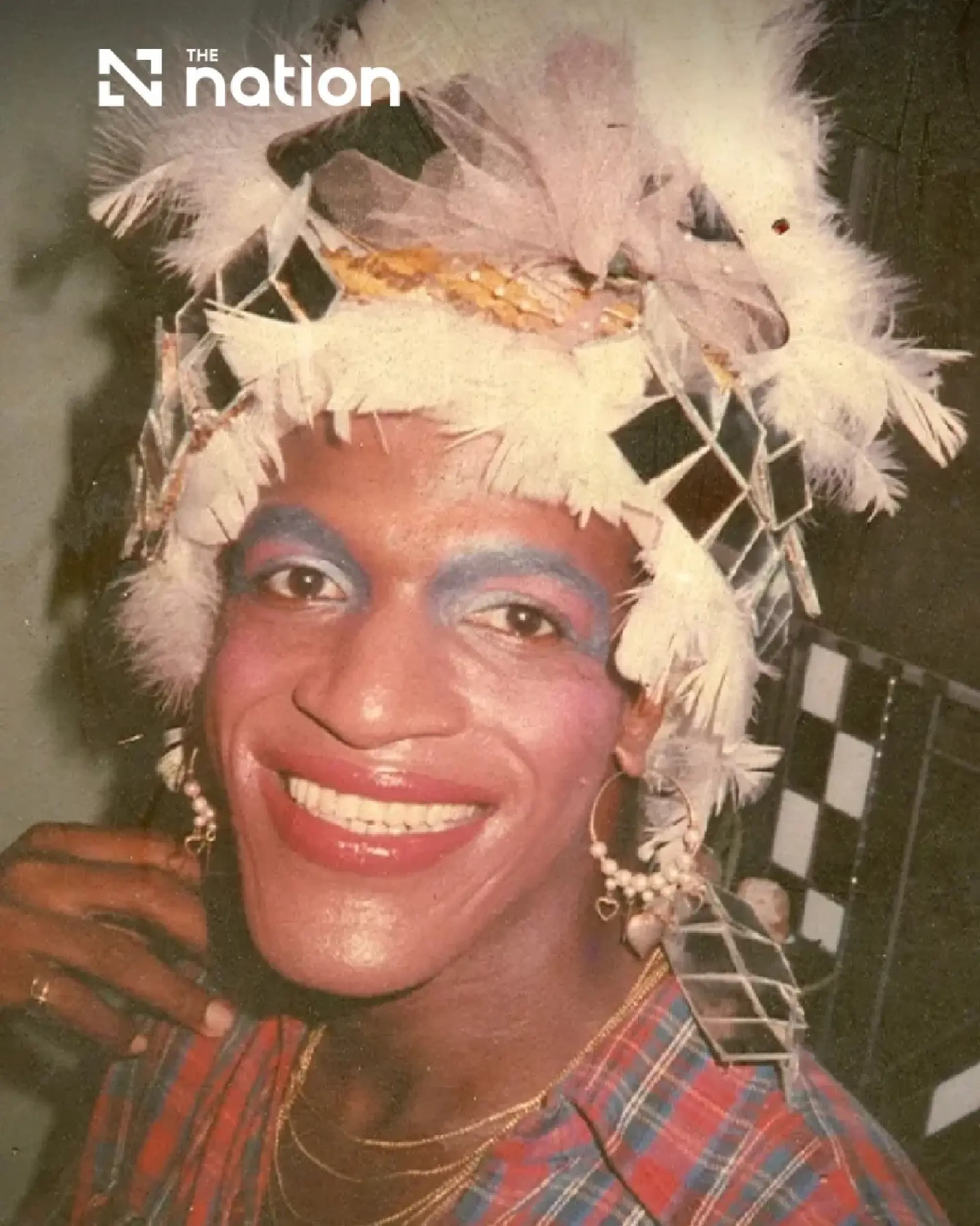
Johnson was also an artist and performer. Her visual style — improvised, joyful, defiant — became part of her public power. She caught the attention of Andy Warhol, whose 1975 “Ladies and Gentlemen” series included portraits of Black and Latinx drag and trans figures, among them Johnson. The Metropolitan Museum of Art notes that Warhol photographed subjects including Johnson for the series, while the Whitney Museum has described his portrait of her as capturing the warmth and confidence that made her loved in New York’s queer community.
Her beauty was not polished in the conventional sense. It was handmade, expressive and political — a refusal to disappear.
A death that became a demand for justice
Johnson died in 1992 at the age of 46. Her friends and supporters disputed the official handling of the case, and the New York Police Department reopened its inquiry into her death in 2012. Her death remains part of a broader call for justice and protection for Black trans women, who continue to face disproportionate violence and neglect.
For many activists, remembering Johnson means refusing to separate celebration from accountability. Pride is not only a parade. It is also a reminder of the people who were ignored, criminalised or lost while fighting for the freedoms others now inherit.

How Marsha is honoured today
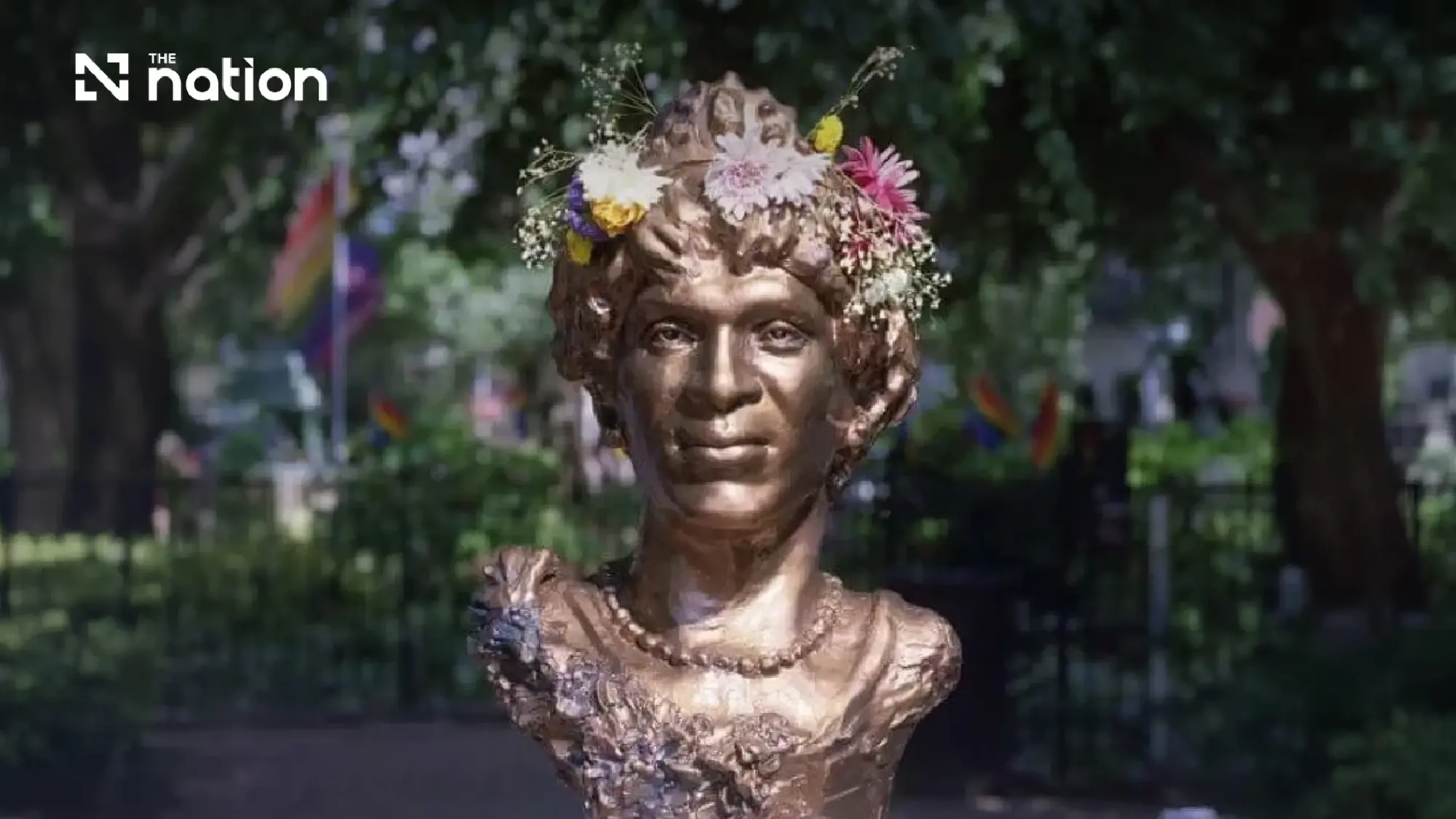
Johnson’s legacy has grown stronger with time. In 2020, New York dedicated Marsha P. Johnson State Park in Brooklyn, making it the first state park in New York to honour an LGBTQ person and transgender woman of colour. In 2023, the state unveiled a new gateway at the park designed to reflect her spirit and legacy.
The Stonewall site itself was designated a US national monument by President Barack Obama in 2016, recognising its place in the wider struggle for LGBTQ+ equality.
Her name also lives on through the Marsha P. Johnson Institute, which works to protect and defend the human rights of Black transgender people.
The mother of a movement still unfinished
Marsha P. Johnson is remembered because she represents the heart of Pride before it became global, corporate or mainstream. She represents the street queens, trans women of colour, homeless youth, performers, sex workers, poor people and community carers who helped build a movement while being pushed to its margins.
Her life reminds the world that LGBTQ+ liberation did not begin in boardrooms or official ceremonies. It began in bars, streets, rented rooms, protest lines and chosen families.
When people celebrate Pride Month, they are walking a path Johnson helped clear. Her legacy asks a simple question of every generation that follows: who is still being left behind, and what are we willing to do for them?
Sources: National Women's History Museum, New York City, Smithsonian, Library of Congress
