
Japan reshapes festival calendar amid heat and heavy rain risks
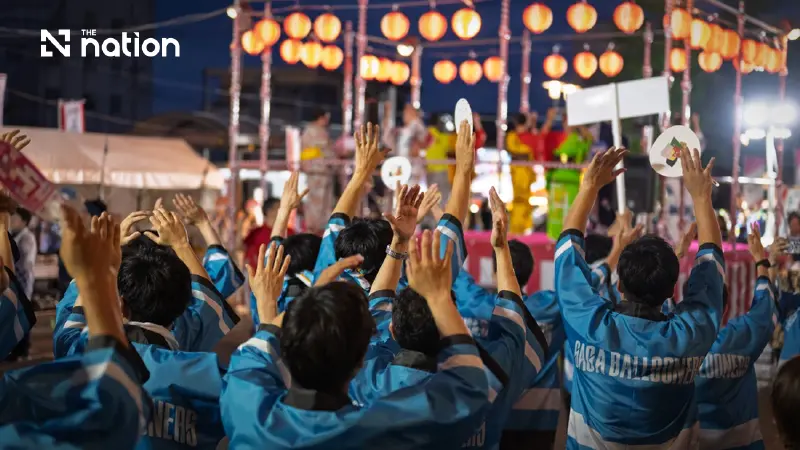


Festivals and fireworks displays are moving out of midsummer as organisers respond to heatstroke concerns, heavy rain and cancellation risks.
- Japanese festival organizers are rescheduling events from peak summer months like July and August to cooler periods such as May or September.
- The primary motivations for these changes are the increasing risks of dangerous heatwaves and heavy rainfall, which pose safety threats to attendees and staff.
- Examples include the Kashiwa Festival moving from July to September and the Adachi Fireworks shifting from July to May.
- Rescheduled events have seen positive results, including the elimination of heatstroke cases and, in one instance, near-record attendance due to more comfortable weather.
Japan’s festival calendar is being redrawn in both directions, with some events brought forward into May and others delayed until September as organisers prioritise safety amid dangerous heat and heavy rain.
In Kashiwa, Chiba Prefecture, east of Tokyo, the Kashiwa Festival will take place on 19-20 September 2026 rather than in July, the month with which residents have long associated it.
Recent extreme heat drove the switch, despite worries that cooler conditions could weaken demand for shaved ice and drinks.
Kaoru Yamanobe, 57, of the Kashiwa Chamber of Commerce and Industry, which organises the event, said recent summer conditions had become dangerous and burdensome for visitors and organisers.
He expected September to be more bearable and said, “We hope people enjoy the festival safely.”
In northeastern Japan, the Sakata Fireworks in Yamagata Prefecture was held each August through 2024.
After heavy rain flooded its riverside site and forced a cancellation in the past, organisers moved the event to mid-September in 2025.
An official said recent years had brought not only sweltering heat but a high risk of heavy rain, and expressed hope that this year’s event would be staged as planned without major problems.
Other events have moved earlier.
The Saga Joka Sakae no Kuni Matsuri in the southwestern city of Saga was advanced by more than two months in 2025 from its usual early-August slot after 14 people were treated for heatstroke at the 2024 festival.
At the 55th edition, held on 23-24 May 2026, no visitor reported heatstroke.
Stallholders and security staff said the earlier date greatly reduced the physical strain of working at the event.
Attendance was about 278,000, the second-highest total in the festival’s history.
An organiser said the more comfortable temperatures were believed to have helped draw the crowd.
In Tokyo’s Adachi Ward, Adachi Fireworks also shifted from late July to the end of May in 2025 because heatstroke or bad weather might lead to cancellation.
Whereas roughly a dozen people had reported heatstroke symptoms each year, none were recorded in 2026.
Some people warned that the display might cease to represent summer. Masato Yasuda, 53, director-general of the Adachi City Tourism Exchange Association, which organises the event, said tradition remained important but “the most important thing is people’s lives”.
He said scorching conditions were making it increasingly difficult to stage fireworks in midsummer.

[Copyright The Jiji Press, Ltd.]
