
Trump slaps 50% tariffs on US$20bn of Canadian goods
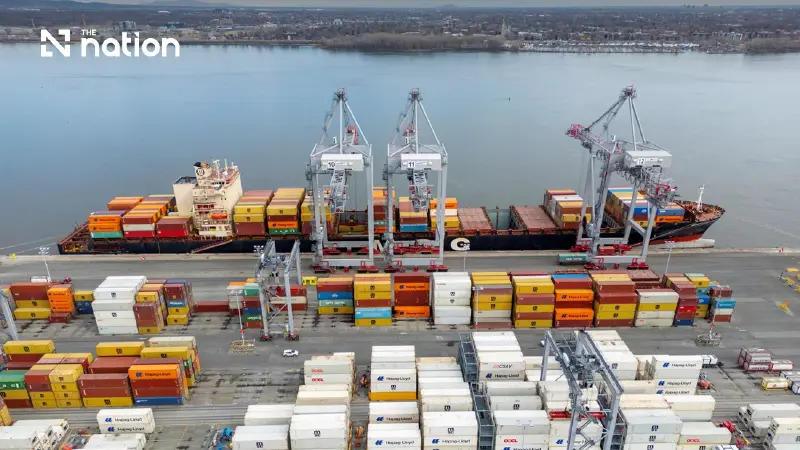


New US tariffs on Canadian wine, dairy, cement and other products will take effect on August 19, escalating the trade dispute between the neighbours
The United States will impose 50% tariffs on nearly US$20 billion worth of Canadian imports, escalating tensions between the two closely integrated economies and threatening a fresh phase in President Donald Trump’s global trade campaign.
The measures, announced on Monday, will take effect on August 19 and cover products including wine, dairy goods, cement, furniture, clothing, fishing rods, seeds, swimming pools, wigs and ice hockey equipment.
Washington said the targeted goods represented about 5.2% of the US$382 billion in products imported from Canada in 2025.
Rarely used law invoked
Trump relied on Section 338 of the Tariff Act of 1930, which allows the US president to impose tariffs of up to 50% on countries considered to discriminate against American goods.
It is believed to be the first known use of the provision since the law was introduced nearly a century ago.
US Trade Representative Jamieson Greer accused Canada of continuing to retaliate against American efforts to rebalance trade and protect industries regarded as important to national security.
The new duties will apply even to goods that would normally qualify for preferential treatment under the United States-Mexico-Canada Agreement, or USMCA.
However, several major Canadian exports will remain exempt, including energy, potash, fish and critical minerals, as well as products already subject to separate national-security tariffs under Section 232.

Canada says it is ready to negotiate
Canadian Prime Minister Mark Carney said Ottawa had submitted comprehensive proposals aimed at resolving the outstanding trade disputes.
He argued that previous US tariffs had breached the North American trade agreement and that Canada’s retaliatory measures had merely matched American restrictions.
Carney warned that the dispute was raising household costs, particularly in the United States, but said Canada remained prepared to negotiate intensively for a solution benefiting both countries.
The White House cited Canada’s dairy supply-management system and its tariffs and quotas on US-made vehicles as justification for the latest action.
It also criticised decisions by most Canadian provinces to stop selling American alcohol in response to earlier US tariffs.
According to the White House, Canadian imports of US motor vehicles declined by 22% over the past year, while purchases of American alcoholic drinks fell by 81%.

Provincial powers complicate alcohol dispute
Ottawa may have limited power to reverse provincial bans on US alcohol because decisions over whether to stock imported drinks rest largely with provincial governments.
Diamond Isinger, a former senior adviser on US-Canada relations under former prime minister Justin Trudeau, said provincial premiers would decide whether American alcohol returned to store shelves unless extraordinary federal measures were introduced.
The tariffs mark a further deterioration in relations as Washington holds separate talks with Mexico over proposed changes to the USMCA.
Greer is scheduled to hold bilateral discussions in Mexico City, while Canada has so far been excluded from that negotiating track.
The latest dispute comes despite Trump and Carney meeting at the FIFA World Cup final in New Jersey on Sunday.
During that encounter, Trump also pressed the Canadian leader to address wildfires whose smoke had spread across parts of the United States, after previously threatening to add the cost of dealing with the pollution to tariffs on Canadian goods.
Source: Reuters
