
Iran tells US to accept defeat as Hormuz blockade holds
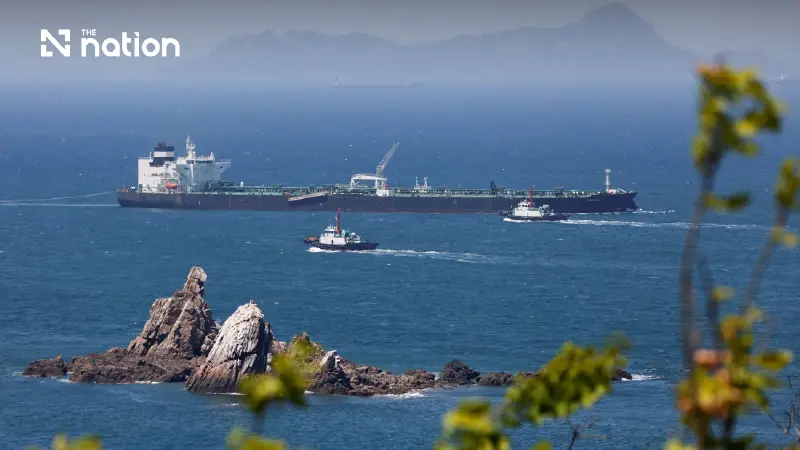


Iran says the Strait of Hormuz will remain blocked until Washington accepts defeat, as US petrol prices rise 29% year on year.
Iran hardened its position towards the United States on Saturday (August 15), demanding that Washington accept defeat as President Donald Trump described Iran as a “deeply evil country” and warned Americans to prepare for persistently high fuel prices caused by the war.
Efforts to move towards peace talks and restore oil tanker traffic through the Strait of Hormuz remain stalled, with no indication that the parties are moving closer to ending the conflict launched by the United States and Israel on February 28.
Iranian Deputy Foreign Minister Kazem Gharibabadi wrote on X that the Strait of Hormuz would be opened or closed only on Iran’s orders. Tehran would continue blocking the waterway until the United States accepted defeat and abandoned its “fantasies”, he added.
Foreign Minister Abbas Araqchi also indicated that Tehran had yet to decide whether to resume negotiations with Washington. He maintained that the United States must meet Iran’s conditions concerning the Strait of Hormuz before normal shipping could resume.

US petrol prices rise 29%
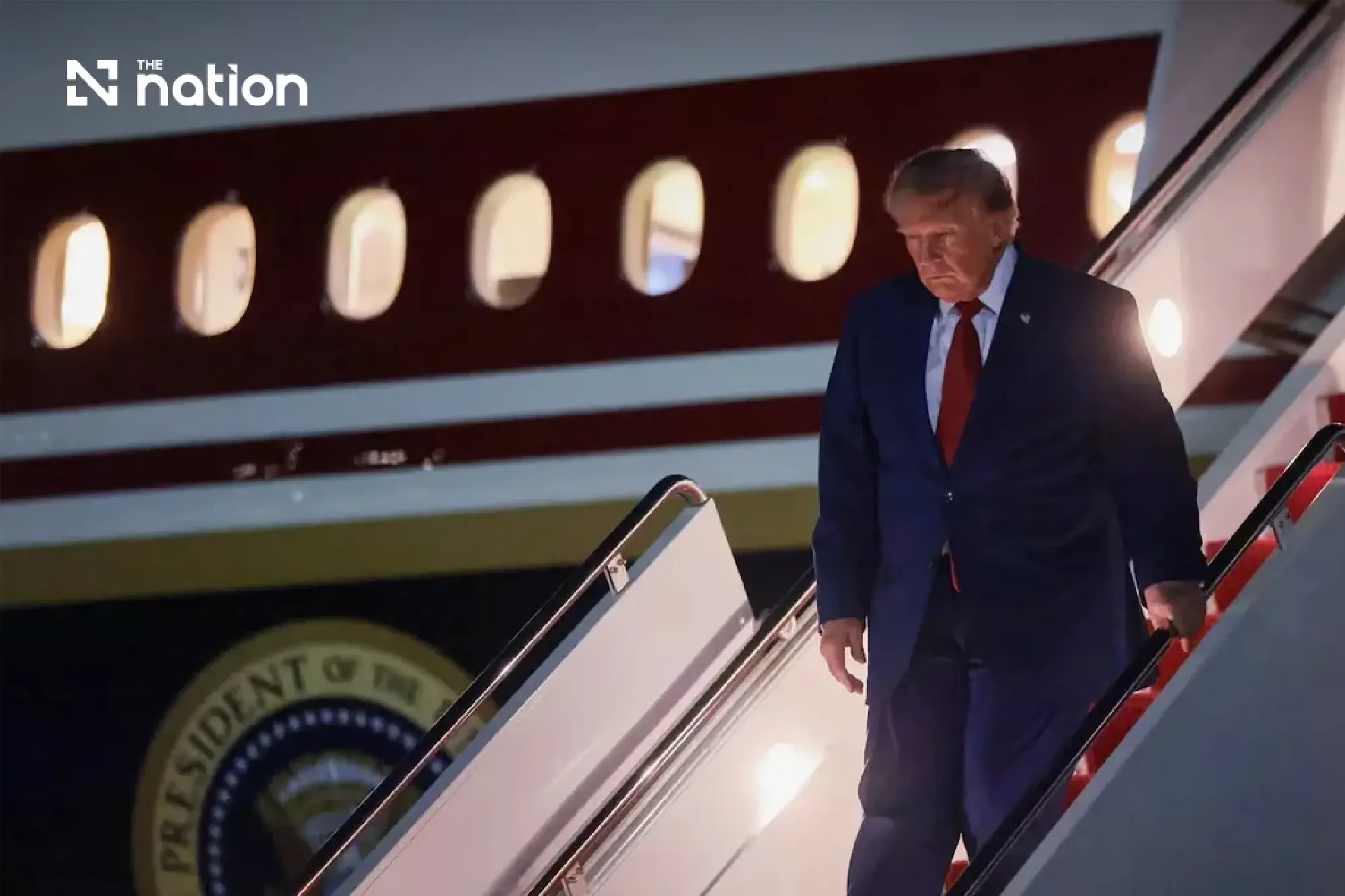
Trump has urged Americans to accept slightly higher petrol prices for as long as the war continues.
Speaking in Garden City, New York, on Friday (August 14), he argued that paying “a little bit” more for fuel was a worthwhile cost if it helped prevent Iran from acquiring nuclear weapons, one of the reasons he has cited for supporting the war.
Trump also declared that after the United States had “defeated Iran”, he would proclaim the Strait of Hormuz to be US territory.
Throughout the war, however, Trump has alternated between threats to escalate the conflict and signals that a peace agreement could be close.
The American Automobile Association put the average US petrol price at about US$4.08 per gallon, or around 135 baht, on Friday, up 29% from a year earlier. The increase has added to inflationary pressure and fuelled dissatisfaction among voters.
Crude oil futures rose by about US$1 a barrel, or around 33 baht, on Friday. Brent crude was on course for a weekly gain of 6%, while West Texas Intermediate was up 5.4%.

Iran begins to feel economic impact
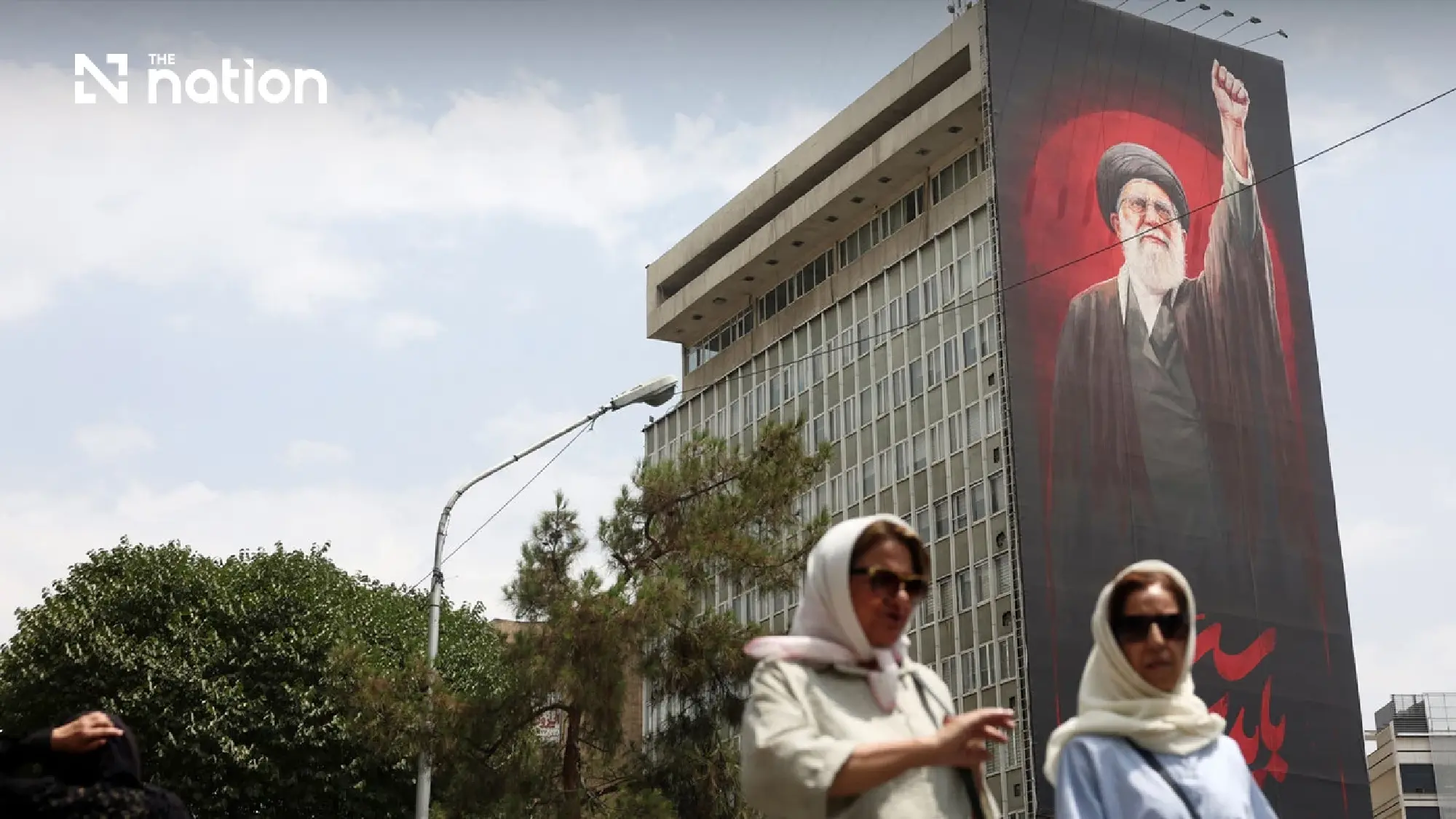
Despite Tehran’s defiant rhetoric, the economic effects of the conflict are becoming increasingly visible inside Iran.
Iranian President Masoud Pezeshkian told state television that rising inflation was being driven by the US blockade of Iranian ports as well as sanctions on the country’s oil exports.
Trump and US Treasury Secretary Scott Bessent have both pledged to intensify financial pressure on Tehran. Bessent indicated that Washington would announce additional measures next week.
Tankers remain largely absent from Hormuz
Only two vessels travelled through the Strait of Hormuz on Friday, according to shipping-tracking company Kpler, with no crude oil shipments recorded through the route.
Some vessels may have switched off their location-transmitting systems and therefore not appeared in the data, but the recorded traffic was far below pre-war levels of more than 130 vessels a day.
Ships that defy Iranian orders and pass through the strait without permission could face the risk of missile or drone attacks.
The United Arab Emirates accused Iran of attacking another vessel belonging to Abu Dhabi National Oil Company (ADNOC) while it was travelling through the strait on Friday. Two other incidents involving ADNOC vessels had previously been reported on Thursday evening.
The United Kingdom Maritime Trade Operations (UKMTO) also reported that a bulk carrier had been struck on its hull by an unidentified object in the Strait of Hormuz. It was not immediately clear whether the incident involved the same ADNOC vessel.
Peace efforts lose momentum
Efforts to secure an agreement ending the war, which had made progress in June, are now faltering.
Araqchi maintained that Iran did not have a ceasefire agreement that it was seeking to extend. What had previously occurred, he argued, was “an end to the war” before the parties entered a new situation.
Attacks by the Iran-backed Houthi movement in Yemen have also increased again, adding to fears that the conflict could spread further across the region.
Yemen’s internationally recognised government reported that the Houthis fired six long-range missiles at the Red Sea port of Mokha on Friday, killing four civilians.
