
Norway mourns King Harald V after 35 years on throne
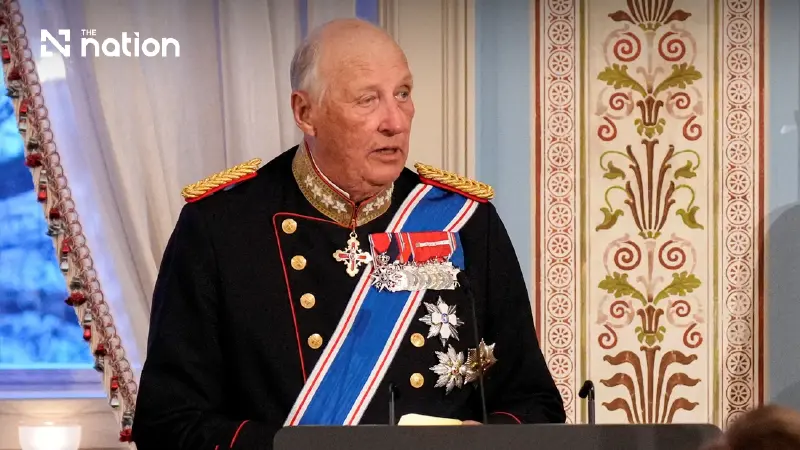


Norway’s King Harald V has died aged 89 after a reign defined by reform, inclusion and national unity. His son Haakon succeeds him.
- King Harald V of Norway has died at the age of 89 after more than three decades on the throne.
- He was a popular and modernizing monarch known as the "People's King" who made the royal institution more open and accessible.
- Remembered as a symbol of national unity, he played a key role in comforting the nation after the 2011 terror attacks and championed a diverse, modern Norway.
- He is succeeded by his son, Crown Prince Haakon, who now becomes the new king.
Norway’s King Harald V, a popular and reforming monarch who modernised the royal institution during more than three decades on the throne, died on Friday (August 28) at the age of 89.
The Royal Palace said Harald died peacefully at Oslo University Hospital at 6.35am local time, or 4.35am GMT. He had been admitted on August 17 while receiving treatment connected with haemolytic anaemia, a rare blood disorder, and was later treated for a bacterial infection in his blood.
His son, Crown Prince Haakon, 53, succeeds him as Norway’s new king.
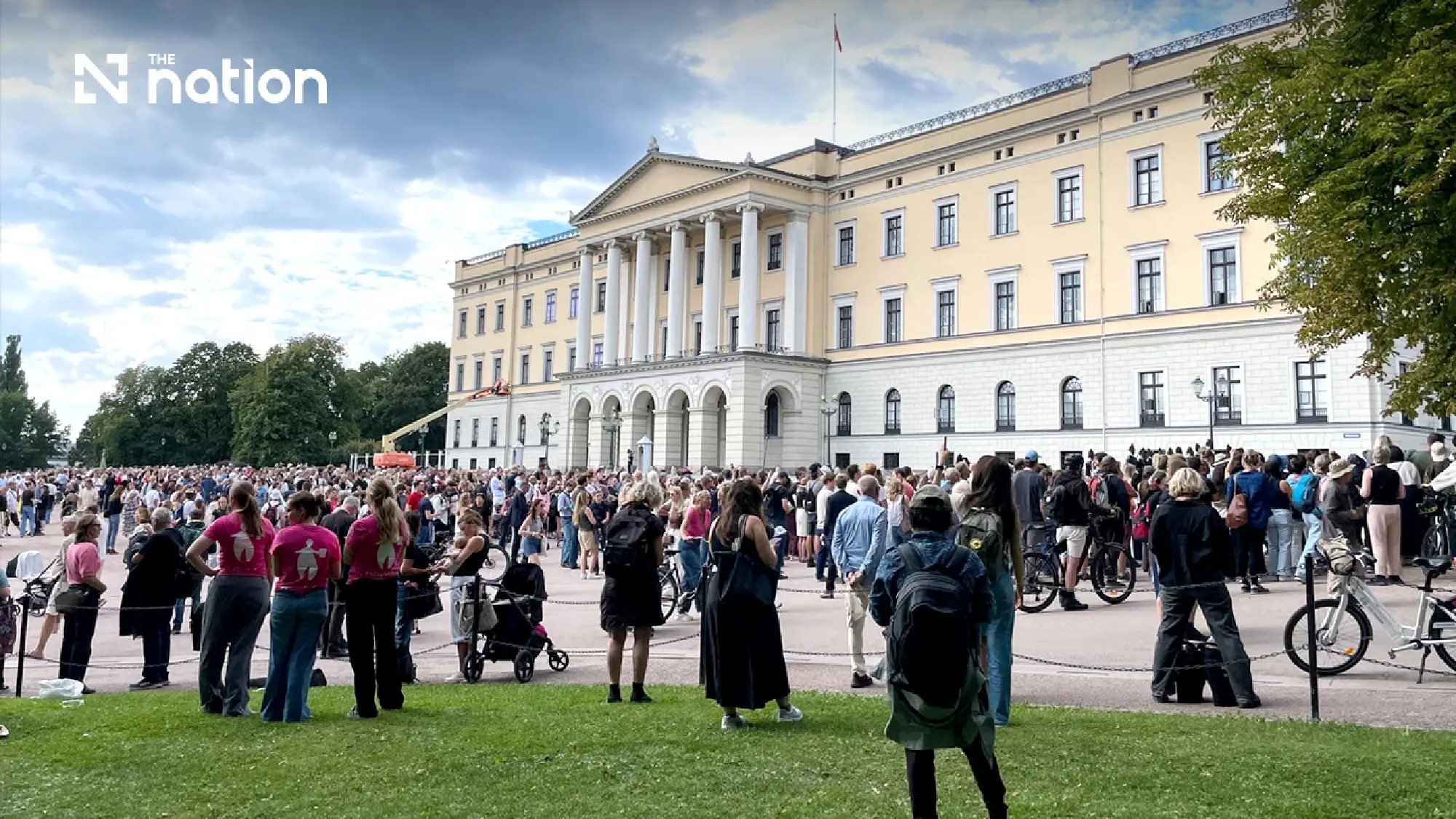
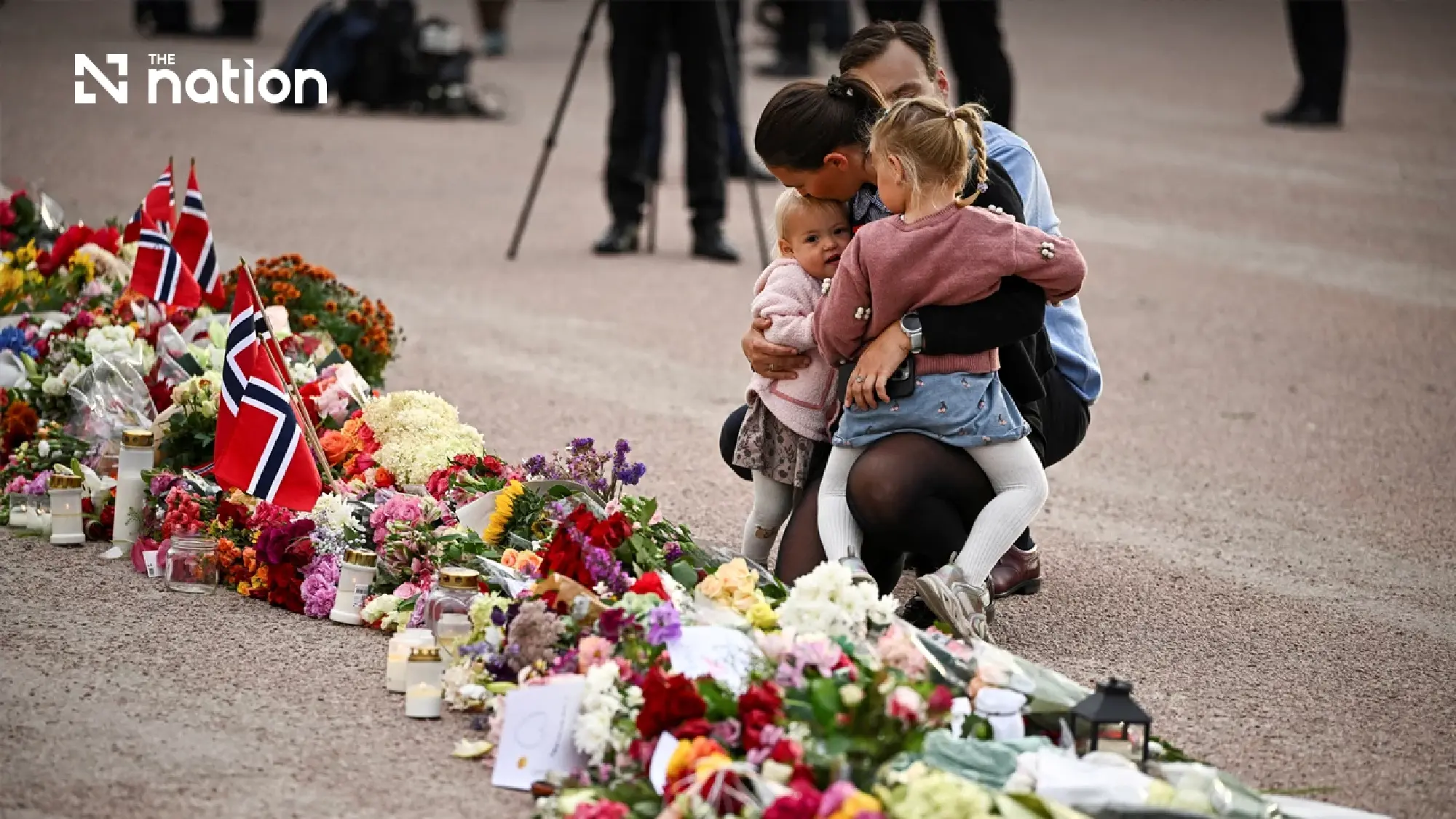
Members of the royal family had gathered at the hospital during the final 24 hours of Harald’s life, while people laid flowers outside the Royal Palace in Oslo. The royal flag was lowered to half-mast following the announcement of his death.
Norwegian Prime Minister Jonas Gahr Støre said the country was united in mourning and gratitude for Harald’s lifetime of service. He praised the late king’s faith in the Norwegian people and his ability to encourage citizens to see the best in themselves and one another.

A reforming ‘people’s king’
Harald became king on January 17, 1991, following the death of his father, King Olav V. Although Norway’s monarch has a largely ceremonial and representative role, Harald became an important symbol of national unity and helped make the royal household more open, informal and accessible.
Royal commentators described him as down-to-earth and close to ordinary people, sometimes referring to him as the nation’s “grandfather” or the “People’s king”, a description previously associated with his father. During his reign, the monarchy became more egalitarian and more transparent about its finances and the health of senior members.
One of the defining moments of his reign came after the terrorist attacks in Oslo and on the island of Utøya in July 2011.
Far-right extremist Anders Behring Breivik killed eight people with a bomb in Oslo before shooting dead 69 others, most of them teenagers, at a youth camp on Utøya.
Harald addressed the country after the attacks and later spoke at a memorial ceremony with his voice breaking as he shared the grief of the victims’ families. His message that “freedom is stronger than fear” became closely associated with Norway’s response to the tragedy.
He also regularly visited communities affected by floods, storms and other disasters, meeting survivors and families who had lost their homes or loved ones.
In a widely praised speech in 2016, Harald presented Norway as a country embracing people of different national origins, religions and sexual orientations. His remarks reinforced his reputation as a monarch who sought to reflect the diversity of modern Norwegian society.

Wartime exile shaped future king
Harald was born on February 21, 1937, at the Skaugum estate near Oslo. His birth was celebrated nationally because he was the first heir to the Norwegian throne born in the country in almost 570 years and later became Norway’s first locally born king since the 14th century.
He was three years old when Nazi Germany invaded Norway in 1940.
His grandfather, King Haakon VII, and his father, then Crown Prince Olav, escaped to Britain and led the Norwegian government-in-exile. Harald travelled with his mother, Crown Princess Märtha, and his sisters to Sweden before the family moved to the United States at the invitation of President Franklin D Roosevelt.
After briefly living at the White House, the family settled in Bethesda, Maryland. Harald later recalled Roosevelt, whom the family met frequently, as a grandfather-like figure.
He returned to Norway after the war ended in 1945, attended state schools and completed compulsory military service. He became crown prince in 1957 and studied social science, history and economics at Balliol College, Oxford, between 1960 and 1962.

Marriage to Sonja broke with royal tradition
Harald met Sonja Haraldsen, the daughter of a businessman, at a party. However, his father initially opposed the prospect of the future king marrying a commoner.
The couple waited nine years for permission to marry. Harald eventually told his father that he would remain unmarried rather than give up Sonja, a decision that could have placed the succession in doubt because he was the only male heir.
King Olav ultimately gave his approval, and Harald and Sonja married at Oslo Cathedral on August 29, 1968.
Their marriage helped weaken longstanding expectations that European royals should choose partners from other royal families. Their two children, Princess Märtha Louise and Haakon, also married commoners.
Harald is survived by Queen Sonja, his wife of almost 58 years, their two children and six grandchildren.

Olympic sailor and environmental advocate
Harald was an accomplished sailor who represented Norway at three Olympic Games. He also captained a crew that won a sailing world championship and continued competitive sailing into later life.
He was closely involved in environmental causes and helped establish the Norwegian branch of the World Wide Fund for Nature, serving as its president for 20 years.
At the age of 76, he fulfilled a longstanding ambition by spending several days with the Yanomami people in the Brazilian Amazon, where he slept in a hammock and learnt about their community and environment.

King refused to abdicate despite declining health
Harald experienced several health problems during his later years.
In 2024, he became ill with an infection while on holiday in Malaysia and received a temporary pacemaker before being flown back to Norway, where a permanent device was fitted.
He subsequently reduced the number of public engagements he undertook but repeatedly rejected suggestions that he should abdicate. Harald maintained that the oath he had taken before Norway’s parliament was a commitment for life.
His death comes during a difficult period for the Norwegian royal household, which has faced health problems and public controversy involving other family members.
Crown Princess Mette-Marit, Haakon’s wife, is recovering from a lung transplant and has apologised over her past association with the late convicted sex offender Jeffrey Epstein. Her son from a previous relationship, Marius Borg Høiby, was sentenced to four years in prison in June after being convicted of two counts of rape and domestic violence. Both he and prosecutors have appealed the sentence.
Support for the monarchy had fallen amid the controversies, but surveys and royal commentators indicated that criticism was rarely directed at Harald personally. He remained the royal family’s most popular member and a widely respected unifying figure until his death.
His reign leaves Norway with a monarchy more open and representative of the society around it, while his son Haakon assumes the throne at a challenging moment for the royal institution.
Source: Reuters
