
Former TRT heavyweights to take up Cabinet posts


Play
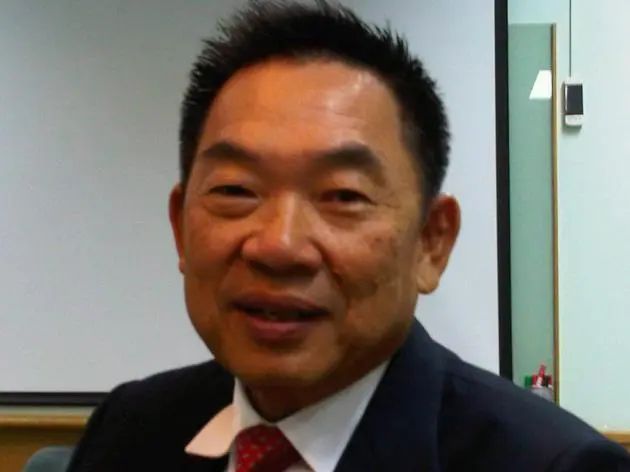
Pongsak Rattanapong-paisan, a former transport minister and close confidant of ex-premier Thaksin Shinawatra, is expected to join the new Yingluck Cabinet next month.
The third Yingluck administration is shaping up with at least 4-5 former executive members of the now-defunct Thai Rak Thai Party named as likely candidates for key economic and other portfolios.
In addition, Chatuporn Prompan, a key leader of the red-shirt movement which helped the Pheu Thai Party win the last general election, is also expected to join the new Cabinet.
Meanwhile, several current Cabinet members will likely lose their jobs when these former TRT executives return to politics. These include Deputy Premier Yuthasak Sasiprapha, Culture Minister Sukamol Khun-preum, Justice Minister Pracha Prom-nok, and Education Minister Suchart Thada-damrongvej.
According to Thaksin, who in exile, there will be a major Cabinet reshuffle in June after 111 former executive members of TRT are free to take up political posts.
The Constitution Court imposed a five-year ban on these former executives when the party was disbanded for election fraud and other wrongdoing. The five-year ban ends this month.
Pongsak, a heavyweight in the Thaksin camp, is tipped to be a new deputy prime minister.
Besides Pongsak, other top candidates for ministerial posts include Pongthep Thep-kanjana, a former justice minister; Jaturon Chaisaeng, a former education minister; Suwat Lipatapanlop, a former deputy premier; and Warathep Rattanakorn, a former deputy finance minister.
However, Khunying Sudarat Keyurapun, a former public health minister and TRT heavyweight, will not accept any post in the upcoming Cabinet reshuffle.
The Election Commission has said all 111 former TRT executives are eligible to take up Cabinet posts as soon as the five-year ban ends at the end of this month. However, they will have to join political parties for at least 90 days before they can register to stand for elections.
The eight-month-old Yingluck government has been sharply criticised for its mishanding of economic policy, resulting in a higher cost of living over the past several months.
The cost of living has soared due to higher prices of food and other necessities due to more expensive oil and gas as well as other sources of energy in the domestic market.
In addition, the hefty 40 per cent hike in the minimum wage to Bt300 per day has led to rising prices for various products due to higher production costs.
Electricity charges, taxi fares and public bus fares are also set to rise due to rising fuel costs as the government takes steps to reduce state subsidies for various types of energy.
Since the start of this year, the price of compressed natural gas, which is widely used by taxis and public buses, for example, started to go up on a gradual basis. By year-end, the price will reach its target of Bt14.5 per kg, nearly doubling the previous price of Bt8.5 per kg.
The government is also mulling ways to liberalise the price of liquefied petroleum gas or LPG, which has been heavily subsidised for many years. This will result in more expensive cooking gas for households and food vendors, as well as vehicles using LPG.
To improve its performance, especially on the economic front, several former TRT heavyweights, who have more experience than the current Cabinet members, will likely take up the crucial economic and related portfolios to shore up Prime Minister Yingluck’s popularity.
