
US has all but ceded the climate helm to China
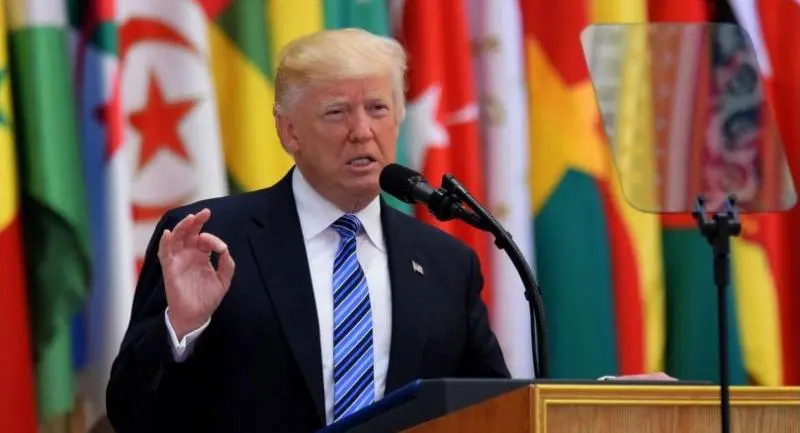


What happens if the United States is not ready to lead the world in its pursuit of clean energy transition? US President Donald Trump has unnerved the world with his policy moves and public comments, including those on climate change.
During his meetings with top world leaders, Trump has ignored climate change and instead focused on national security and trade. It’s another matter that climate change had been a majora of cooperation among China, the US, the European Union and Japan.
At the start of last year, the US was well-positioned to lead the global fight against climate change. But last month Trump issued an executive order, rewriting the previous US administration’s Clean Power Plan. He also ordered a recalculation of the social cost of
carbon, lifting the moratorium on coal mining on federal land, and that climate change be disregarded in other areas of national policymaking. Trump is rolling back the new model of cooperative global governance embodied in the 2015 Paris climate agreement. Over the past eight years, the Obama administration and China’s leadership succeeded, to a large extent, in prioritising climate action as part of their bilateral agenda. China became much more cooperative with the US on climate change since the UN climate change conference in 2009, and both sides achieved tangible results in reducing emissions and enhancing global cooperation. But the Trump administration’s moves will not only prevent the US from playing a leading role in the fight against climate change, but also undermine American interests.
First, as the US veers away from clean energy technology, China is on way to becoming the leading supplier to a rapidly growing global market for clean energy. The Intended Nationally Determined Contributions, embedded in the Paris pact, are expected to generate US$20 trillion in new demand for renewable energy and energy
efficiency technologies, and if Trump undermines the US clean energy sector, there is a good chance that the clean energy technologies the world uses will come from China.
Second, if Trump downgrades US commitment to the Paris targets, it could give China a cause to slow-walk its own emission reduction, while still claiming the global leadership mantle on emission reductions. In contrast to the US, China is looking for new partners to take forward its global climate efforts, and President Xi Jinping has vigorously defended the Paris accord, saying it must not be derailed. It also seems on way to reaching its emission peak five years before schedule. Though some 200 countries signed the Paris agreement, G-20 countries account for more than 60 per cent of the global emissions. Given the heightened financial risks associated with climate change, G-20 countries implementing new rules can ensure a smooth transition to a more clean energy economy.
The author is a senior economist at the Economic Research Institute for Asean and East Asia, Indonesia.
