
Threatened by thieves


Play
Tourists to Paris are warned to be aware of con artists, many of them still in their teens
On a hot summer morning in Paris, outside the opulent Palais Garnier opera house in Paris, groups of teenagers lie in wait for tourists.
“Do you speak English? Please sign,” five girls from Eastern Europe ask the passers-by. They are waving a photocopied page marked Association for Deaf Mute, Homeless Children, Orphans and Handicapped, with lines for pledges, under the tourists’ noses.
This petition or pledge list is at best a charity scam, at worst a ruse to mob and distract the thieves’ target while an accomplice pinches his or her wallet.
It’s one of many tricks aimed at tourists, particularly cash-flush Chinese visitors, according to Captain Renaud Gauthier, head of the anti-delinquency brigade in the 9th district.
Across the road, he spots a pair of tall youths. Their game is distracting people at automated-teller machines at banks while one of them hits “maximum withdrawal” and grabs cash from the user’s account.
Gauthier knows the usual suspects. Many of them commute daily from informal camps on the edges of the city to work this mid-city shopping and transport hub, which receives between 200,000 and 300,000 tourists a day, many of them carting expensive purchases.
Maria, a petition waver, is one of the regulars.
The 16-year-old Romanian, who looks far older than her years, is pregnant, as are three of her four accomplices. Home is a caravan in the high-rise suburb of Courneuve. The donations from those who sign her petition help pay for food and nappies.
“We get 10 or 15 euros here and there,” she says.
That doesn’t include the take from theft.
As the group wanders off, a young Californian tourist approaches.
“Ma’am, you should check your bag. Those girls were trying to steal from an Asian lady and her husband a few minutes ago,” the police officer says.
For decades, dire pre-recorded announcements about “les pickpockets” have reverberated in the Paris metro. But the problem has if anything become more acute in recent years, as criminal syndicates join in the game.
In April, staff at the Louvre Museum sensationally walked off the job for a day to protest at increasingly aggressive behaviour indoors by gangs of thieves.
The workers complained of being attacked, threatened, insulted and even spat at by under-age pickpockets, who roam the lofty halls of the Louvre, a former royal palace now home to the Mona Lisa.
Since April, the museum has boosted security, put up security warnings in several languages and installed a terminal for filing police complaints. The steps have dramatically reduced the thefts.
But as one door is slammed shut, another one opens. Organised gangs have begun to strike far from the city centre, in the low-income suburbs, where Chinese tour groups often stay.
The most spectacular attacks have taken place on the highway leading to the city from Charles de Gaulle airport. On at least two occasions this year, robbers attacked tourist buses caught in traffic jams, smashing the windows and snatching the bags of terrified passengers.
Such incidents are rare but they have started a conversation in China about the safety of the world’s most-visited city.
“The situation is not as catastrophic as some media would like to make out,” says Laurent Mercier, police commissioner of the 9th district, said. “But sometimes there is a whiff of panic that you have to address right away.”
Patrols have been stepped up around key tourist sites and suburban hotels.
Around Opera, two uniformed police officers walk the beat in front of the department stores at all times, while five plainclothes officers from Gauthier's team try to catch thieves redhanded.
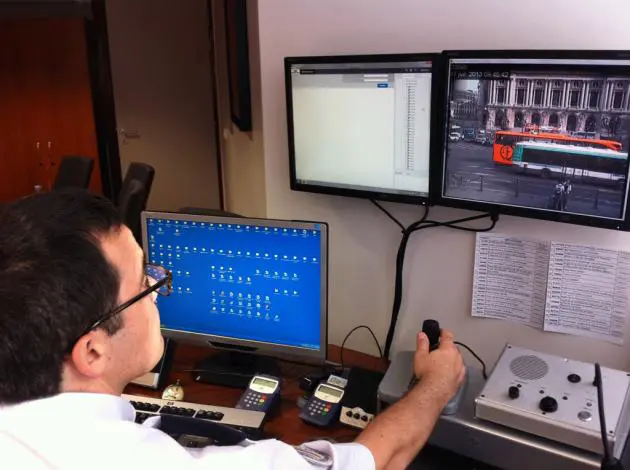
Ten CCTV cameras help monitor the area, but even if arrests are made, the mostly under-age offenders are usually released without charge, because of their age and lack of identity papers.
"We're forever catching the same people," says Gauthier. “This isn't just a policing problem, it's bigger than that.”
