
Scintillating SHIZUOKA


Play
Halfway between Tokyo and Osaka, the Japanese prefecture that's |home to Mount Fuji has everything to offer the Thai visitor
LOCATED MIDWAY between Tokyo and Kyoto, Shizuoka Prefecture is home to the iconic Mount Fuji. The province, however, has more to offer the traveller than selfies with the snow-capped mountain in the background.
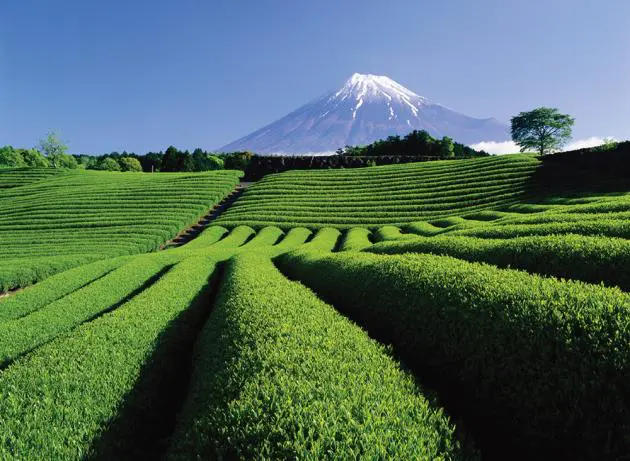
Last week the Governor of Shizuoka Prefecture, Heita Kawakatsu, visited Bangkok to promote his province. Melon and strawberry farms as well as a tea plantation with Mount Fuji as the backdrop are just some of the many attractions along with a rare unisex onsen for Thais brave enough to bare all as the mountain looks on.
We sat down with Kawakatsu and asked him for more information about his province.
Shizuoka Prefecture has seen an increasing numbers of visitors from Thailand over the last few years. What do you think is the main reason for this influx?
Shizuoka Prefecture has signed a Memorandum of Understanding with the Tourism Authority of Thailand that encourages people to visit each other’s homes. And, of course, the visa issue is also playing a major part in bringing more Thai visitors to Shizuoka. About 45,000 Thai tourists have visited Shizuoka each year since 2013, and we expect that number to reach 50,000 in 2015.
What’s the best time to visit Shizuoka Prefecture?
The province enjoys fine weather year round and is never too cold or too warm as Mount Fuji blocks the cold winds from northern Japan. Shizuoka’s beauty, in many ways, changes along the seasons. From December to April, visitors can enjoy our juicy strawberries. Then, as May arrives, the endless fields of green tea offer a majestic view.
In July and August, people celebrate the summer with fireworks and flower fairs. In October and November, Shizuoka marks the transit of summer to winter with splendid red foliage around Ikawa Reservoir.
How can tourists travel around Shizuoka?
We have signs at various attractions in several languages including Chinese, Korean, English and Portuguese. There’s no Thai sign yet but most Thai tourists understand English. I also have an adviser who can speak Thai and understands Thai culture so in the future we will make it even easier for Thai visitors. We have an English website, www.Shizuoka-Guide, to provide information about destinations in Shizuoka.
What’s the most popular activity among Thai visitors in Shizuoka?
Posing for photos with Mount Fuji though they also like to walk through the tea plantations. Shizuoka is billed as Japan’s flower capital because it has more species than any other part of the country. Another big draw for Thai visitors is the Gotemba Premium Outlet, where they can sit and enjoy the stunning view of Fuji after they shop.
What is Shizuoka’s signature dish?
Shizuoka is famous for tea. Tea in Shizuoka, which dates back more than 800 years back, is noted for its unique flavour and aroma. We have the finest melon in Japan – if not the world. Queen Elizabeth of England likes our melon too. Our seafood is fresh and tartes great with wasabi. The signature dish, however, is Shizuoka Oden, which has been served since the Taisho Period. The deep, brown-black soup gives the dish a distinctive flavour and it’s a favourite during the winter months. Visitors can find it at Aoba Oden Street.
How much does it cost for a bottle of local beer and a bowl of ramen in Shizuoka?
Local food in Shizuoka is cheaper than food in big cities like Tokyo. They range from simple dishes like yakisoba, oden, and kyoza to premium foods like sashimi, unagi don (eel rice) and kinmedai (golden-eye red sea bream) which are quite hard to find in other provinces.
Shizuoka is famous for tea, melons and strawberries. What kind of activities can tourists enjoy at the plantations?
Visitors can visit our tea plantations all year round. From the end of April to the beginning of October, many tea plantations invite tourists to experience tea harvesting and they also show how they produce their tea. Every three years, Shizuoka hosts the International Tea Festival, which hosts tea producers from around the world. Not many Thais know about this event. The tea festival is held in May so tourists can enjoy tea harvesting and taste fresh tea from the plantations. From December to April, the strawberries are ripening and some plantations would invite visitors to pick unlimited strawberries for a very reasonable price.
What can visitors do at Mount Fuji apart from take selfies?
They can climb it! July and August is the official climbing season – when visitors and climbers can pick their own route.
What type of accommodation is available in Shizuoka?
We have more than 3,000 hotels, which is far more than in Tokyo. We have western style hotels and Japanese ryokans and the prices vary considerably.
What is Shizuoka’s best festival?
There are a lot of interesting festivals in Shizuoka. We have Fujisan Day Festival every February 23. Shizuoka Matsuri is in spring and welcomes the blooming sakura. Shimizu Minato Matsuri, our summer festival, is like the symbol of Shimizu port town. Abekawa Firework Festival and Didoke Festival are celebrated in autumn. We also have illuminations in winter.
Where can visitors hang out with the locals?
There are loads of local restaurants around Shizuoka station. We produce premium Sake and the beer from Gotemba town has won many awards. Shops are also open until late.
Shizuoka is noted for unsex Onsen. Do you want to promote this particular communal bath among Thai people?
Of course! A trip to Japan is not complete without a soak in the onsen. Shizuoka has various choices of onsen with character. Thai people might not be used to the unisex Onsen, but they should give it a try. They will enjoy it.
