Bangkok steps up Khlong Chan drainage with relief expected tonight
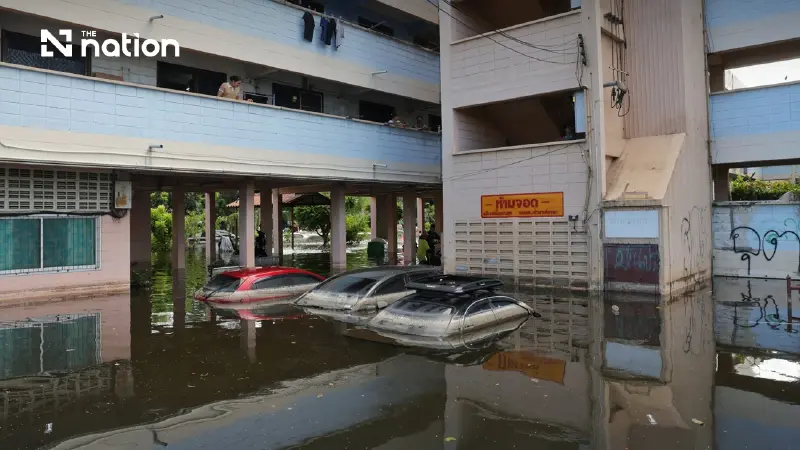


Bangkok is stepping up drainage in flood-hit Khlong Chan as falling water levels in the Saen Saep Canal improve pumping efficiency, with conditions expected to ease tonight.
- Authorities are accelerating flood drainage operations in Bangkok's low-lying Khlong Chan area, with a significant improvement expected by Wednesday night.
- The intensified effort is possible because falling water levels in the main Saen Saep Canal have created capacity to receive floodwater from inundated roads and communities.
- Additional pumps, including high-flow equipment from civic networks, and personnel from various agencies have been deployed to speed up the removal of water.
- Bangkok's Governor, Chadchart Sittipunt, has inspected the area and confirmed that the lower canal level is key to pumping water out of Khlong Chan effectively.
Flood conditions in several parts of eastern Bangkok were beginning to improve on Wednesday (September 30) as water levels in the Saen Saep Canal fell, allowing the Bangkok Metropolitan Administration (BMA) to accelerate drainage from inundated roads and communities.
Bangkok Deputy Governor Wisanu Subsompon reported that Ramkhamhaeng Road had reopened to traffic along almost its entire length, while some flooding remained around Lat Phrao 101 and Bang Kapi, where pumping operations were continuing.
“We will first move water off the main roads, then work through sois and communities in sequence. If water levels in the Saen Saep Canal fall as expected, we will be able to step up pumping in Khlong Chan, and we expect a clear improvement tonight,” Wisanu explained.
Khlong Chan is a low-lying area with drainage limitations. The BMA has deployed pumps both through the underground drainage network and on flooded roads, including equipment along the Saen Saep Canal and at the Khlong Lam Phang Phuai pumping station.
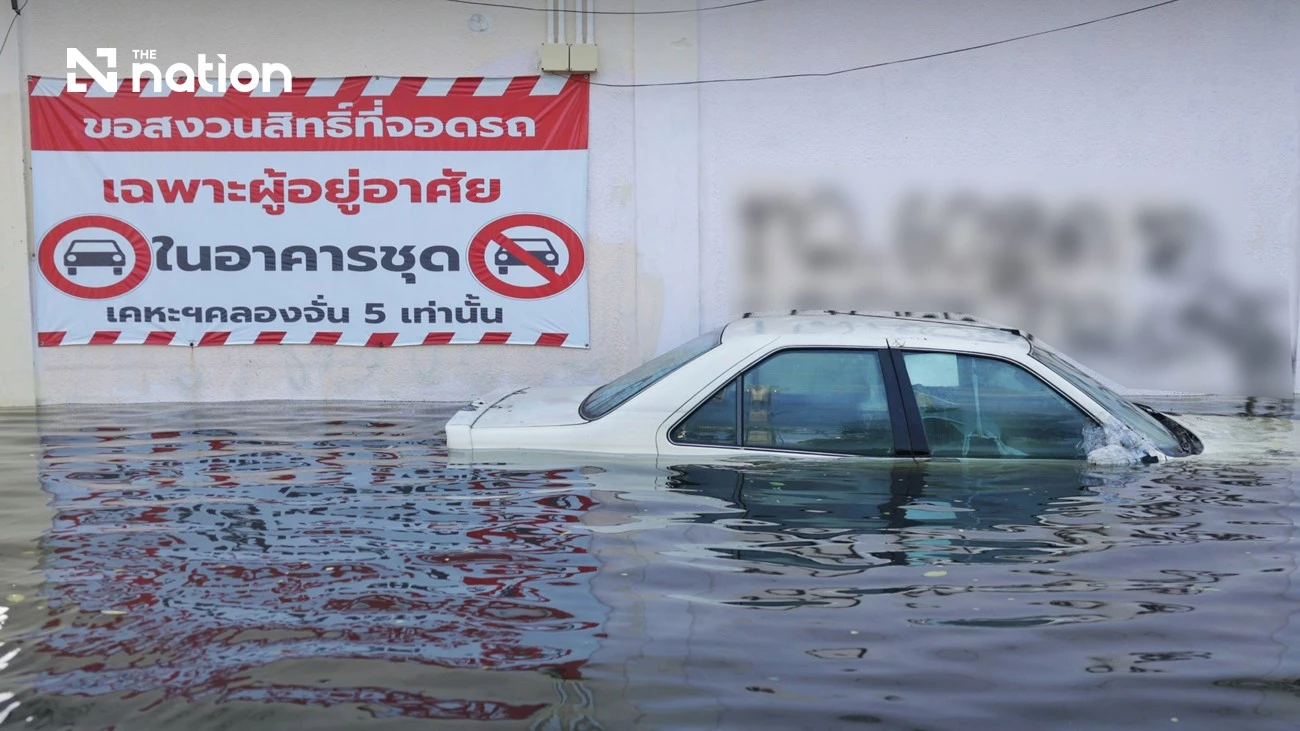
Additional pumps and personnel have been provided by the Royal Irrigation Department and other agencies. Officials estimate that floodwater in some parts of Khlong Chan is around 1.5 metres deep, with more than 300,000 cubic metres requiring drainage.

Drainage remains slower in Lat Krabang and Srinakarin
The Lat Krabang–Srinakarin–Prawet Canal area is expected to take longer to drain because its waterways and drainage network differ from those feeding into the Saen Saep Canal.
The BMA is accelerating drainage while coordinating with relevant agencies, particularly in areas bordering neighbouring provinces, to jointly manage water flows.
Traffic conditions have improved on several routes, although some locations, including Lat Phrao 101, still require intensive pumping. City teams are working at remaining flooded points and preparing rehabilitation operations once the water recedes.
Wisanu added that upstream water had not yet significantly affected the overall flood situation in Bangkok, despite increased water releases by the Royal Irrigation Department.
The Chao Phraya River stood at about 2.10 metres, while the capital’s flood protection system can accommodate levels of more than 3 metres. However, residents outside flood embankments and in areas vulnerable to seepage were advised to continue monitoring conditions closely.
BMA says canal levels are lowered throughout the rainy season
Addressing claims that the BMA had failed to lower canal levels in advance, Wisanu explained that water levels are reduced continuously throughout the rainy season rather than only when heavy rain is forecast.
Bangkok’s canals are central to both water retention and drainage, he noted, and their levels are managed to maintain spare capacity while limiting the impact on communities along their banks.
The BMA is also operating its available pumps at full capacity, although their effectiveness depends on water levels and how quickly water can reach pumping stations.
This is particularly significant for the Prawet and Phra Khanong canal systems, where winding waterways mean floodwater can take longer to reach pumping facilities.
The city also plans to develop a water-intake tunnel in the Thaworn Mahabut area that would channel water more directly towards the Chao Phraya River, reducing existing drainage constraints and improving future drainage from the Phra Khanong and Prawet canal systems.

Chadchart deploys additional pumps in Khlong Chan
Bangkok Governor Chadchart Sittipunt inspected flooding around the Khlong Chan Housing Estate and the National Institute of Development Administration (NIDA) intersection in Bang Kapi, where crews were accelerating drainage from roads and residential areas.
The falling level of the Saen Saep Canal has created more capacity for floodwater to be pumped from Khlong Chan into the canal without flowing back into the affected area.
“Once the water level in the Saen Saep Canal falls, we have more room to pump water into it and conditions will gradually improve. We have to lower the canal first, then move water off roads and out of communities as quickly as possible,” Chadchart explained.
High-powered boats have also been positioned along the Saen Saep Canal and near bridges to accelerate water flows towards the Phra Khanong drainage system and sluice gates.

Thai-made high-flow pumps join the drainage operation
Crews are also using Thai-made “high-speed” pump pipes supplied by civic networks and operators from Prachin Buri and Ayutthaya.
The equipment was adapted from large engines normally used to pump water into rice fields, fish ponds and shrimp ponds. The pipes are about 15 inches in diameter and can move large volumes of water, making them suitable for low-lying Khlong Chan, where water has accumulated in depressions.
Chadchart described the equipment as a Thai innovation that had been effectively adapted to the flood emergency, thanking its owners and supporting networks for bringing machinery that the BMA does not normally operate.
Pumping began at around 3.30am. Crews adjusted the pipes’ positions and angles and reinforced them with sandbags so the intake ends could draw water effectively from the lowest points.
Initial operations lowered the water level by about 15 centimetres in roughly an hour, while running two sets simultaneously was expected to speed up drainage further.

Water recedes but deeper areas remain flooded
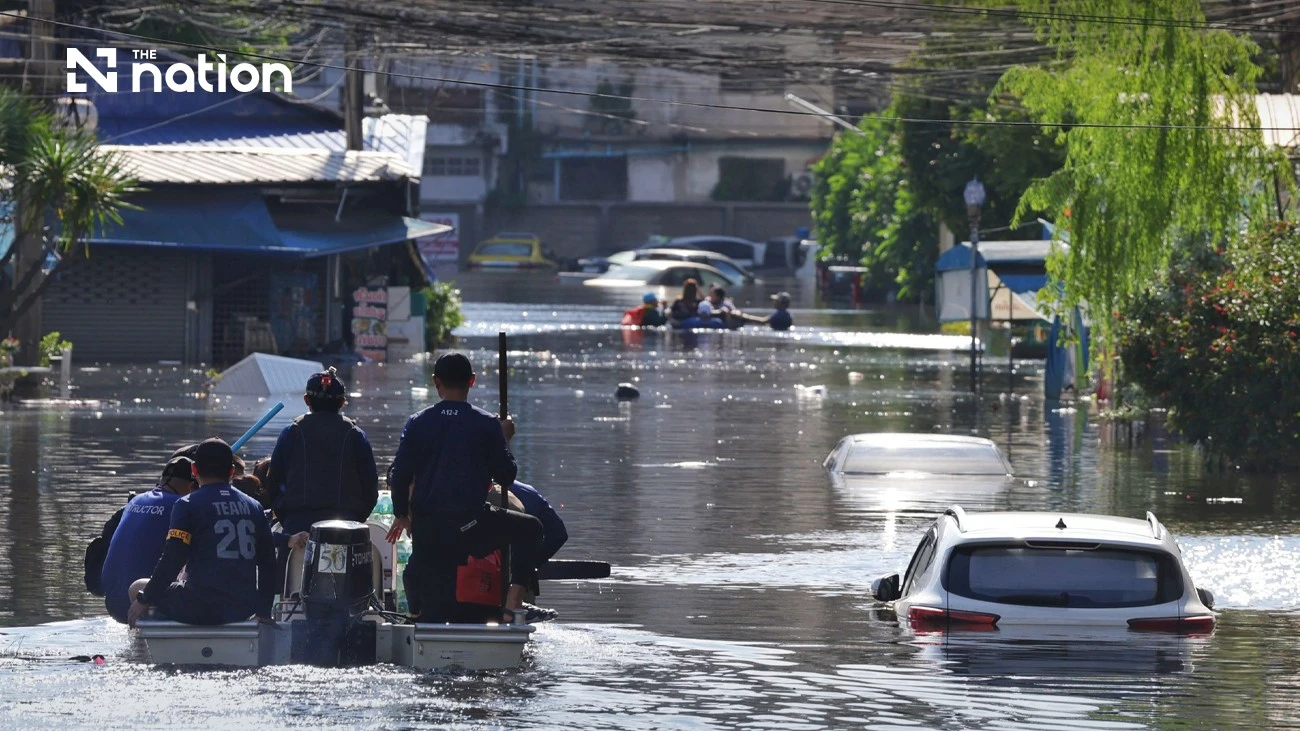
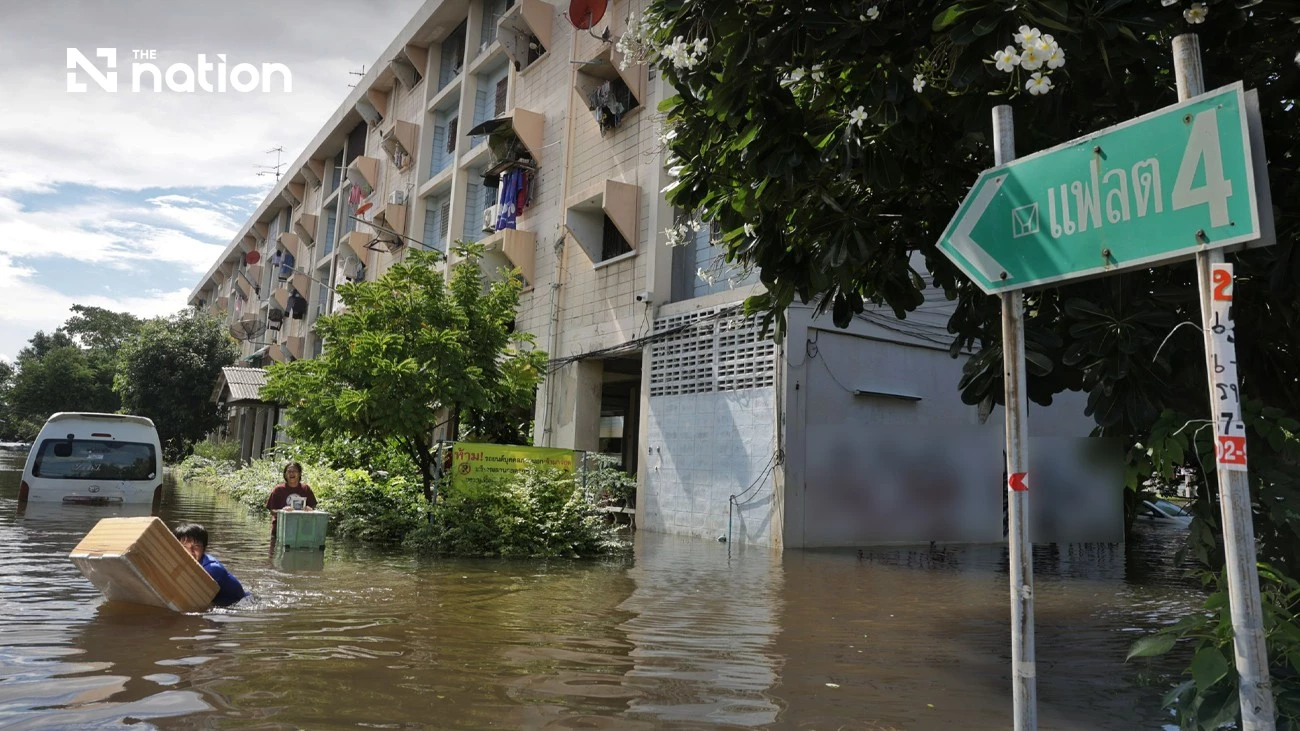
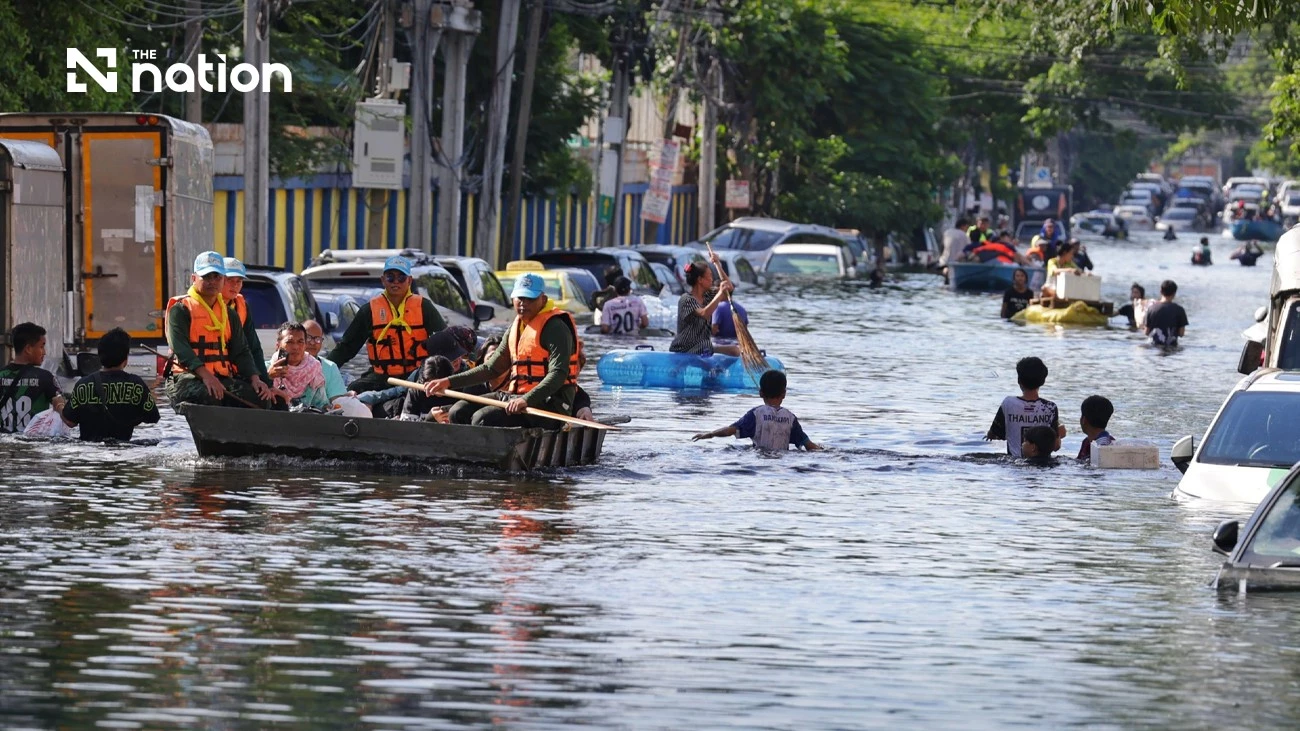
Water levels have visibly fallen at several points inside the Khlong Chan Housing Estate. Areas that initially required boats have become more accessible on foot and by vehicle, although deeper sections remain inundated and require continuous pumping.
Large vehicles are also being used to assist residents in areas where floodwater remains high.
Traffic near the NIDA intersection and the entrance to the housing estate remained disrupted during the morning because pumping pipes had been laid across roads. Motorcyclists were urged to take particular care around flowing water and drainage equipment.
Ramkhamhaeng Road and several inner areas have continued to improve, allowing more small vehicles to pass. Some sois in Hua Mak and deeper residential areas still require continued pumping and a further drop in the Saen Saep Canal level, while conditions along much of Lat Phrao Road have also improved.
Lat Krabang, however, remains flooded at several locations because water levels in the Prawet Burirom Canal system are still high, slowing drainage.
The BMA plans to gradually redeploy pumps and other equipment to the area to accelerate the lowering of canal levels, which should also help reduce flooding around Pattanakarn and connected communities.
In Sai Mai, officials are monitoring water flowing from areas bordering Pathum Thani, which could raise water levels in some communities even without additional rainfall. The city is prepared to issue Cell Broadcast alerts, with Chadchart instructing officials to keep messages clear and concise without causing unnecessary alarm.

BMA says drainage operations will continue
The governor stressed that although conditions were improving in several areas, Bangkok’s flood response was not yet over. The BMA will continue lowering water levels in major canals, pumping water from roads and communities and moving equipment to locations where flooding persists.
The priority, he added, is to clear affected areas as quickly as possible so residents can return to their normal daily lives.
“When flooding occurs, water gets in easily but is difficult to drain. We have to use every method and every piece of equipment available, with everyone doing their part. We must lower water levels in the canals, clear water from the roads and then drain water from communities. The goal is to restore affected areas as quickly as possible so people can return to their normal lives,” he concluded.